
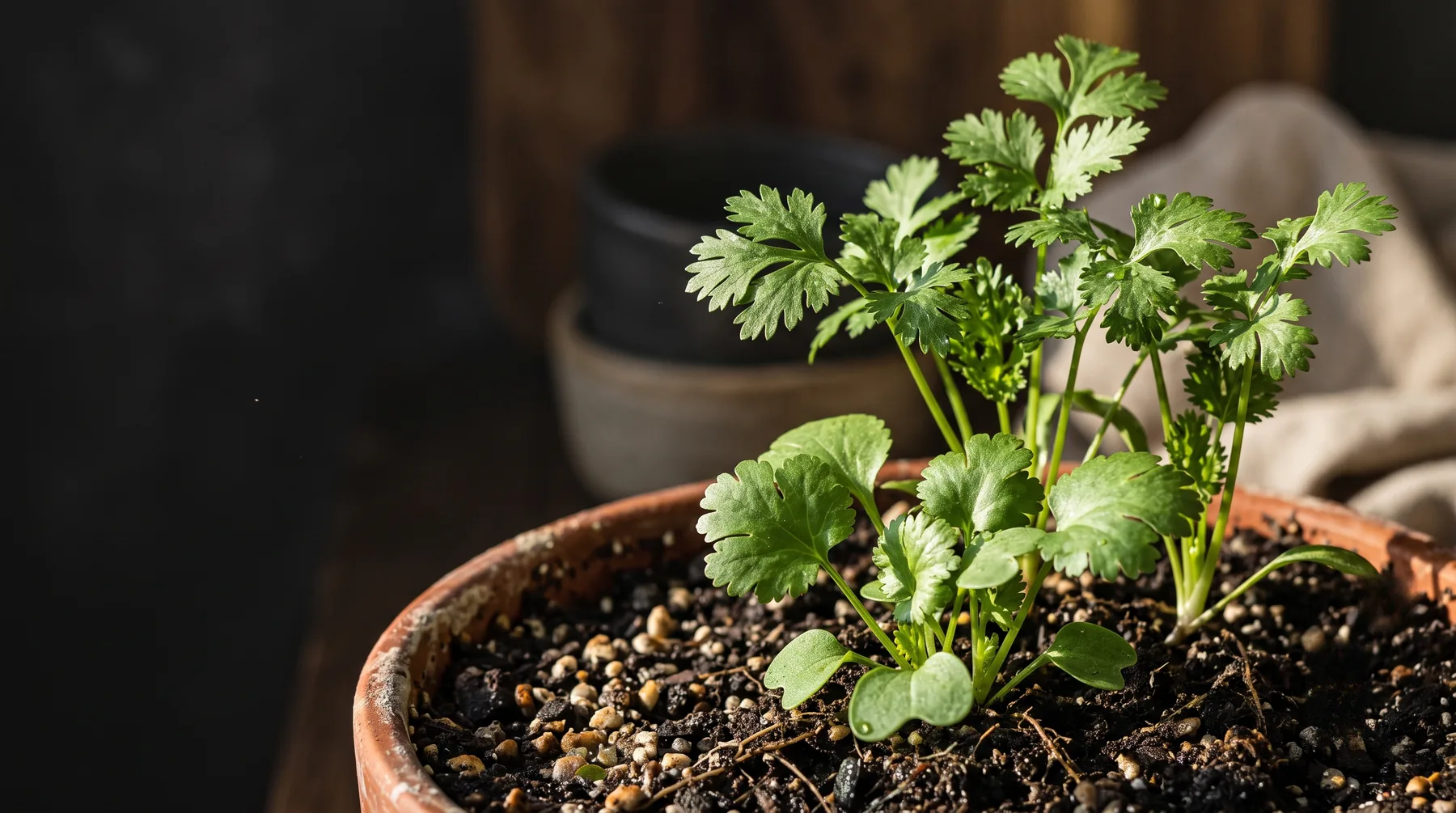
Grow file · Slow Bolt (Coriandrum sativum)
Cilantro
Coriandrum sativum
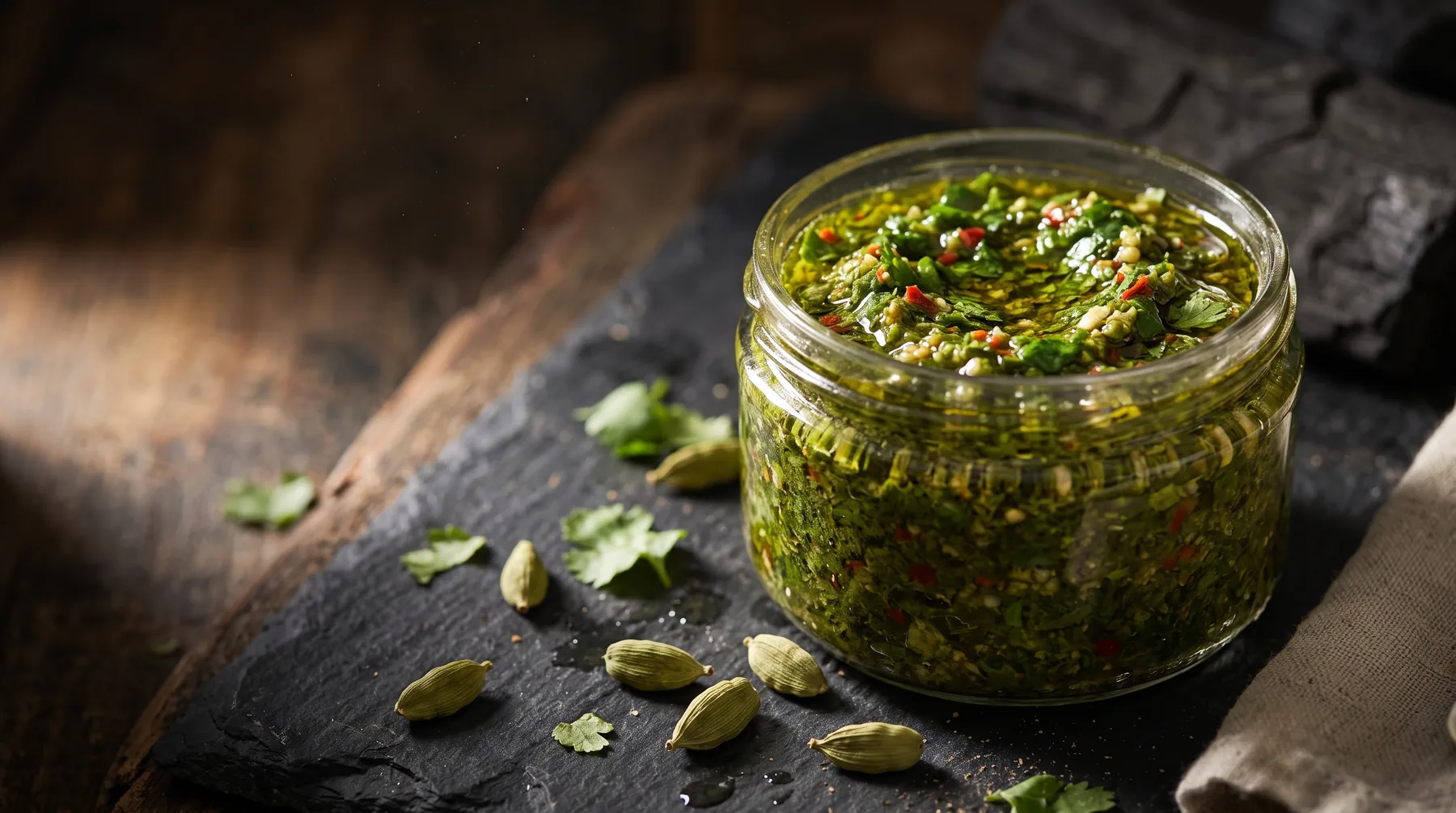
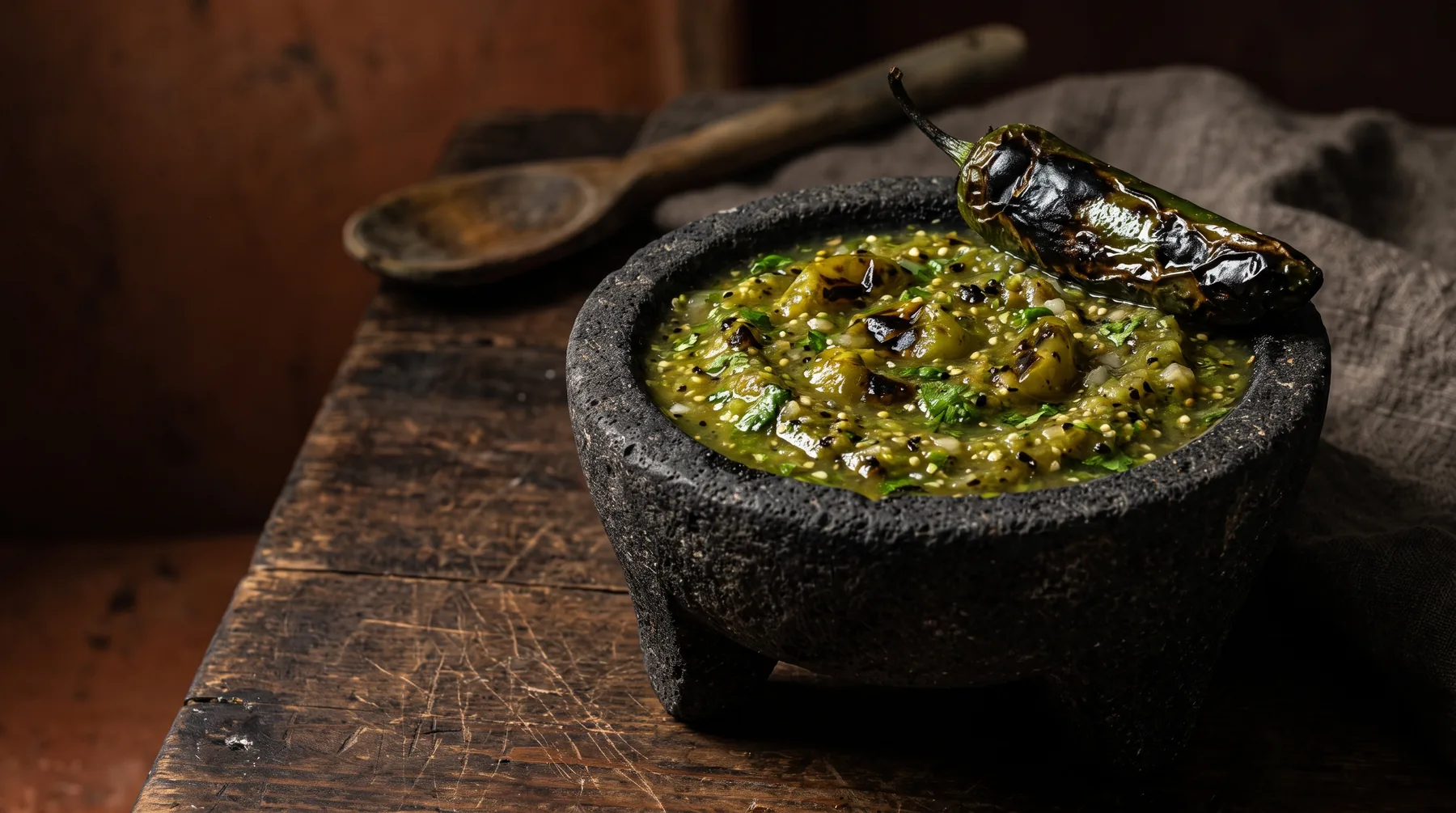
Bolts in a heartbeat and there is nothing you can do about it — so you succession-sow instead of fighting it. Non-negotiable in salsa verde and zhoug.
| Days to maturity | 45 days from sow |
|---|---|
| Days to germinate | 7–14 days at 65 °F |
| Germination soil temp | 60–70 °F |
| Start indoors | 2 weeks before last frost |
| Transplant | 2 weeks before last frost |
| Spacing | 6″ between plants |
| Sun | 4–6 hours; afternoon shade in summer |
| Container size | 3 gal minimum per plant |
| Realistic yield | 0.25 lb per healthy plant, per season |
Your dates, by zone
Built from each zone's average last frost and this cultivar's 45-day maturity. Zone averages are not your garden — look up your city's NOAA frost dates or enter your ZIP in the builder to shift every row.
| Zone | Sow indoors | Transplant | First pick |
|---|---|---|---|
| Zone 3 | May 1 | May 1 | Jun 15 |
| Zone 4 | Apr 28 | Apr 28 | Jun 12 |
| Zone 5 | Apr 16 | Apr 16 | May 31 |
| Zone 6 | Apr 7 | Apr 7 | May 22 |
| Zone 7 | Mar 20 | Mar 20 | May 4 |
| Zone 8 | Mar 14 | Mar 14 | Apr 28 |
| Zone 9 | Feb 14 | Feb 14 | Mar 31 |
| Zone 10 | Jan 17 | Jan 17 | Mar 3 |
| Zone 11+ | Jan 1 | Jan 1 | Feb 15 |
Tight means first pick lands within two weeks of that zone's average first fall frost. It is doable, with zero slack in the indoor start.
Harvest visual
Ready when you see this
Cut the broad lower leaves while they are crisp and before the center sends up a flower stalk. If you are saving coriander, wait until most seed clusters are tan and dry and the seeds rattle inside.
Accept the bolting
Every article about cilantro promises a way to stop it bolting. There isn’t one. Cilantro is a cool-season annual whose entire life strategy is to flower fast, and “slow bolt” cultivars extend the leaf window by roughly a week, not a month.
The working answer is succession: sow a short row every two weeks from four weeks before last frost until the heat arrives, then again from late summer through autumn. Each sowing gives you three to four weeks of good leaf. A packet is a few dollars and holds a thousand seeds, so this costs essentially nothing.
It is two crops
When a plant bolts you have not lost it, you have changed it:
- Leaf (cilantro) — the young, broad, flat lower leaves. What goes in salsa verde and zhoug.
- Seed (coriander) — the round seed after flowering. A completely different, warm, citrus-floral spice, and excellent in an adobo.
Let your last sowing of the season flower and go to seed on purpose. Cut the whole plant when the seed heads are brown, dry them in a paper bag, and you have coriander and next year’s cilantro seed at the same time.
Growing
Direct sow, half an inch deep, six inches apart, in soil around 60–70 °F. It tolerates and prefers a bit of shade — an afternoon-shaded spot extends the leaf window noticeably in summer.
The fern-like upper leaves that appear as it prepares to bolt taste different and more soapy-bitter than the broad lower leaves. Harvest the outer lower leaves and leave the crown.
Yield
About 4 oz of usable leaf per plant. A batch of salsa verde wants roughly 1 oz, so a short row of six plants per sowing is plenty.
How this crop actually fails
Named, specific, and in the order you're most likely to meet them.
Flowers three weeks after sprouting, before you get any leaf
Cause Heat. Cilantro bolts above roughly 75 °F and "slow bolt" varieties buy you days, not weeks.
Fix Stop fighting it. Sow every two weeks, grow it in the cool shoulders of the season, and give it afternoon shade in summer. Treat each sowing as disposable.
Transplants wilt and never recover
Cause Cilantro has a taproot and resents root disturbance more than almost any common herb.
Fix Direct sow where it will grow. If you must start indoors, use soil blocks or deep cells and transplant before the taproot hits the bottom.
Patchy, slow germination
Cause The "seed" is a husk containing two seeds and it germinates unevenly.
Fix Gently crack the husks between your palms before sowing and soak overnight. Germination goes from erratic to reliable.
What cilantro needs
Cilantro / Coriander Seed
Bolts in a heartbeat and there is nothing you can do about it — so you succession-sow instead of fighting it. Non-negotiable in salsa verde and zhoug.
Organic Seed Starter Potting MixMust have
Seed-starting mix is not potting soil with a nicer label — it is finer, lighter, and low in nutrients on purpose, because a seedling's first roots want air and moisture, not fertiliser.
Ocean Forest Potting SoilMust have
Pre-charged with enough nutrition to carry a transplant for its first month without feeding, which is exactly the window when most container plants stall.
5-Gallon Fabric Grow Bags, 5-Pack
Fabric pots air-prune roots and drain faster than a plastic pot can, which is the entire reason container tomatoes fail. Five gallons is the honest minimum for a pepper; a tomato wants ten.
AG-30 Frost Protection Row Cover
AG-30 buys roughly 6 °F of frost protection while passing about 70% of light — enough to carry a crop through an early-October cold snap that would otherwise end your season two weeks short.
6" Micro-Tip Pruning SnipsMust have
Ninety percent of sauce-garden cutting is snipping a pepper stem or a basil node, and a fine-tipped snip does it better than any pruner. Pulling peppers by hand tears the branch.
Paid links. We earn a commission from Amazon if you buy; you pay the same. Disclosure.
Sauces this plant is for
Last reviewed 2026-09-01. Numbers are cultivar-typical, not guarantees —tell us if yours ran different and we'll say so on the page.