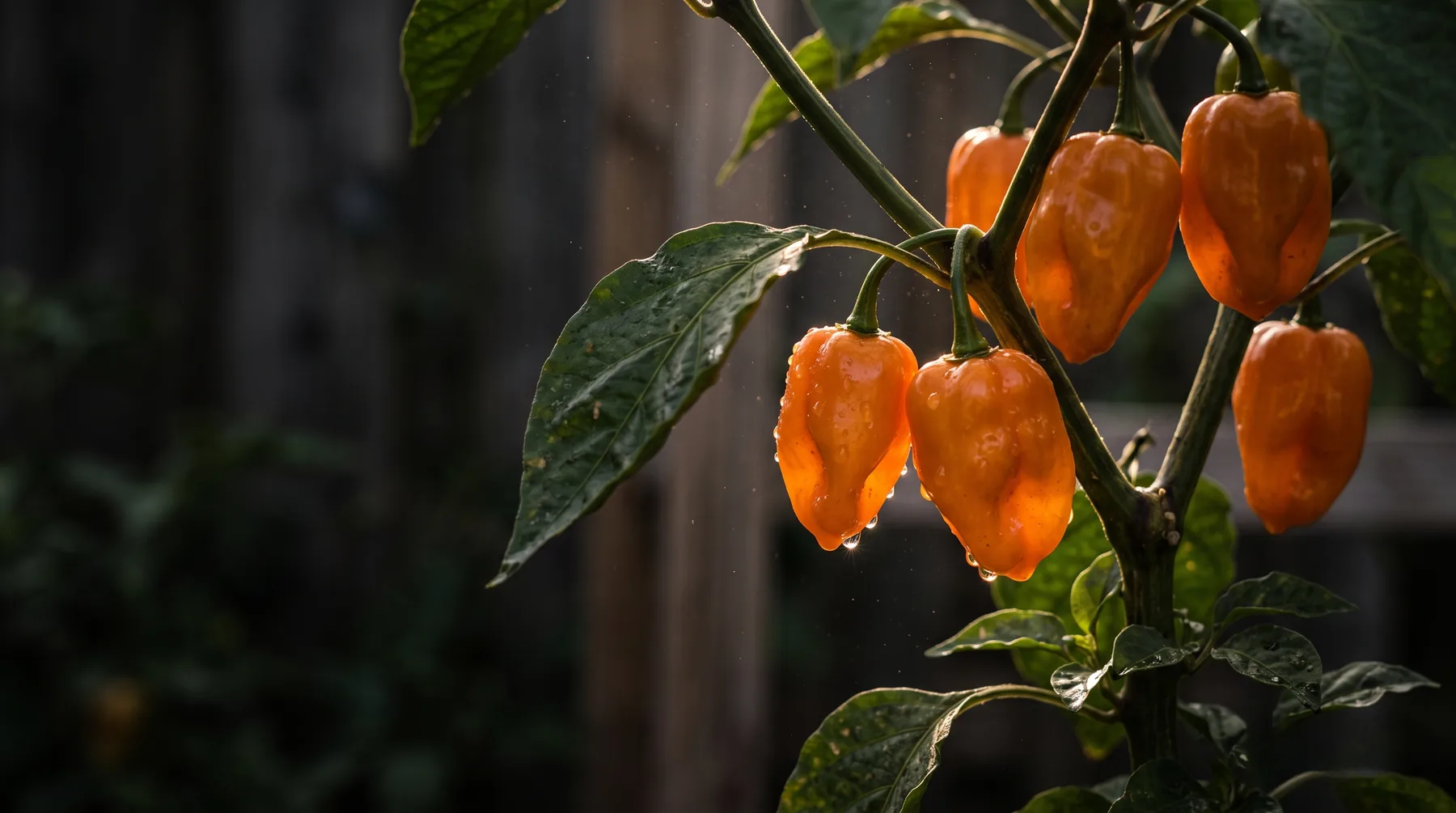
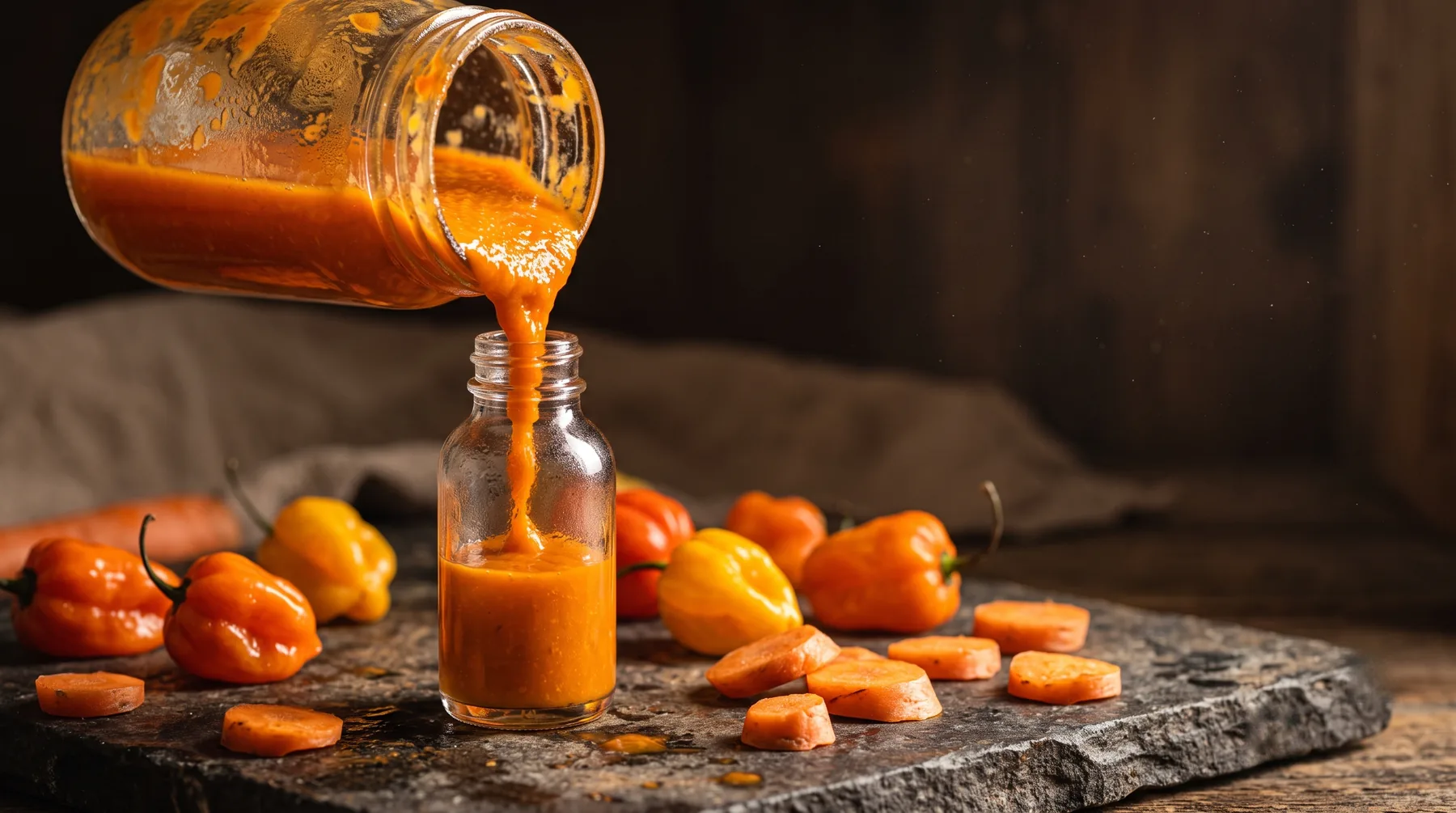
PicturedHabanero-Carrot Hot Sauce100,000–250,000 SHU in the finished sauceSee the build →

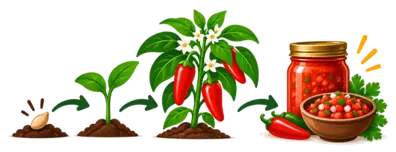
Seed packet → sealed jar

Pick the sauce.
We reverse-engineer
the garden.

Not a garden blog and not a recipe site — the line between them. Choose what you want in the jar and get back the exact cultivar, the sowing date for your zone, the plant count computed from the recipe's real weights, and the tested process that makes it safe to keep.

Sauces
8
Grow files
13
Guides
7
Ad networks
0

The pipeline

Eight phases. Nothing hand-waved.

Most sites hand you half of this. A seed catalog stops at germination; a recipe blog starts at the grocery store. The gap between them is where home crops die and where jars go wrong.

The seed-to-sauce pipelineEight phases rising along a curve from left to right: seeds, start, grow, protect, harvest, ferment, cook, preserve. Colour shifts from seed green through amber to chile red.0102030405060708
  1. 01

    Seeds

    Buy the genetics

    The cultivar decides the sauce. Everything downstream is damage control.

  2. 02

    Start

    Germinate

    Soil temperature and light intensity, indoors, weeks before your frost date.

  3. 03

    Grow

    Feed and support

    Root volume, nutrition and structure. Where most home crops actually fail.

  4. 04

    Protect

    Defend the crop

    Frost, hornworms, aphids, and the fungal pressure that follows a wet July.

  5. 05

    Harvest

    Pick at ripeness

    Timing, handling, and weighing what you actually got.

  6. 06

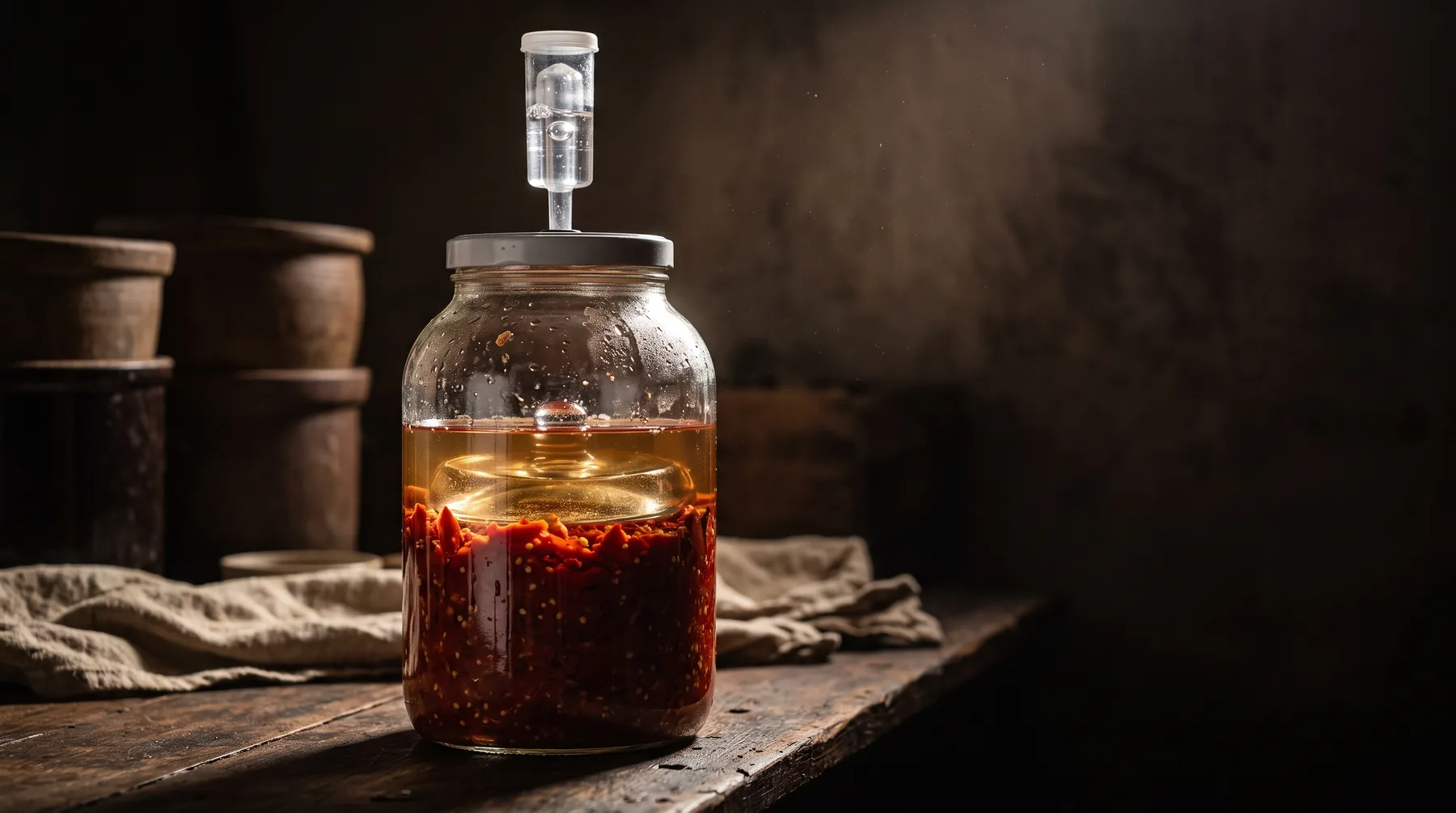
    Ferment

    Build acid

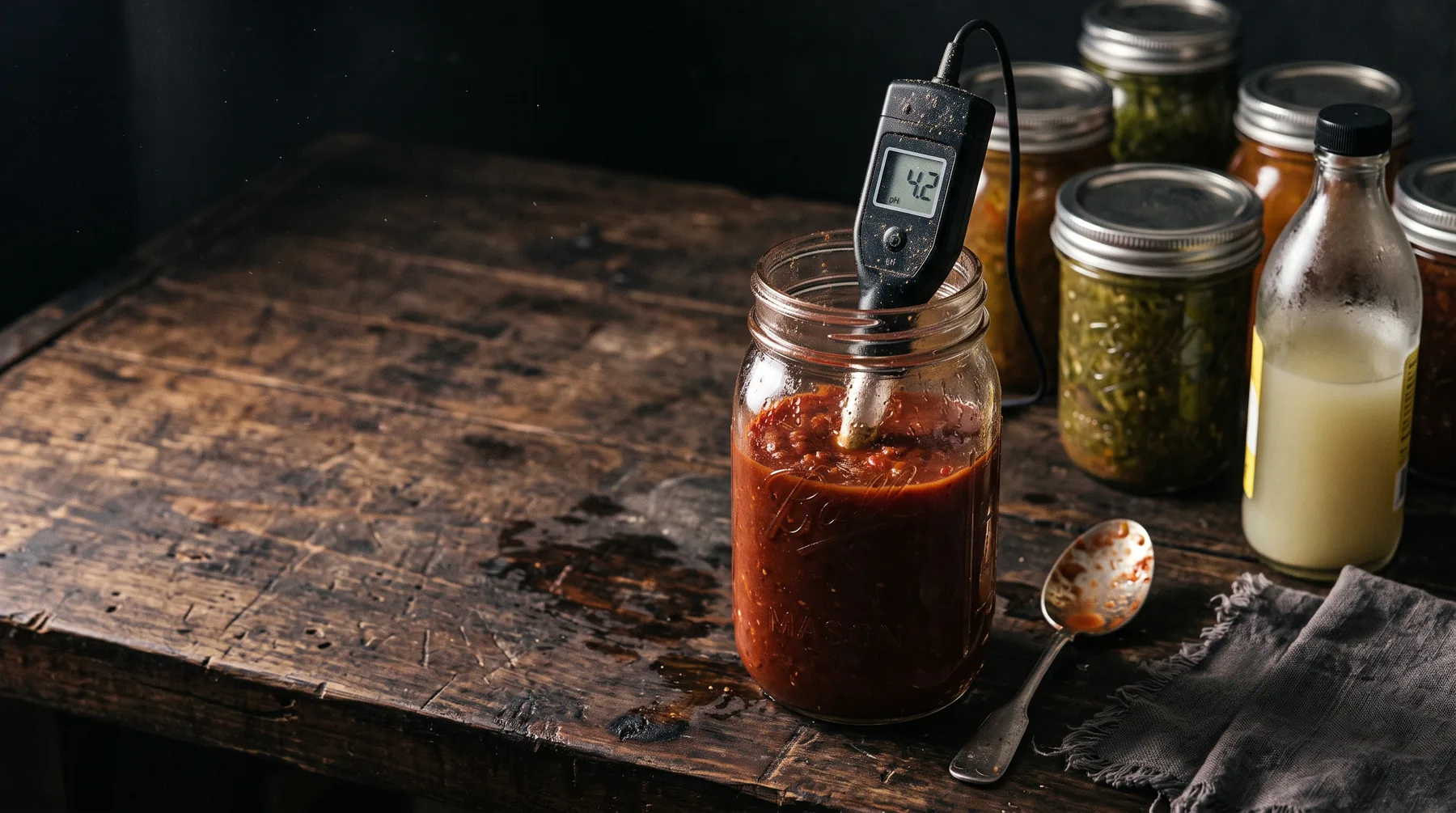
    Brine percentage, anaerobic conditions, and a pH meter you can trust.

  7. 07

    Cook

    Make the sauce

    Reduction, texture, and the non-reactive pans that keep tomato tasting like tomato.

  8. 08

    Preserve

    Seal the year

    Tested processes, correct headspace, and jars that are still good next March.

Every phase has real, buyable gear attached — and a disclosure on the page saying we get paid when you use it. See the gear catalog →

The Plan Builder

Three questions.
A dated plan for
your zone.

Pick a sauce, your USDA zone, and whether you're working a windowsill or a raised bed. It computes the indoor sowing date, the transplant date, the first-harvest window, how many plants the recipe's weights actually require, how much potting mix that is in bags, how many jars you'll fill — and lays the whole shopping list out in the order you'll need it.

It runs entirely in your browser. Nothing is uploaded, nothing is stored on a server, and there is no account to make.

Build your plan →

How hot is hot

Every sauce, on one scale

Heat, 0–5Bars show our 0–5 rating. The Scoville range beside each is the real number — plotting SHU linearly would stack seven of eight sauces on the origin.

Start here

The destinations

All sauces →
Bright orange fermented habanero carrot hot sauce being poured into a woozy bottle

Habanero-Carrot Hot Sauce

Three weeks in a 3% brine turns raw habanero heat into something layered and sour, and carrot gives it body and colour with no thickener. The reference build for a homegrown hot sauce.

100,000–250,000 SHU in the finished sauce8 jars
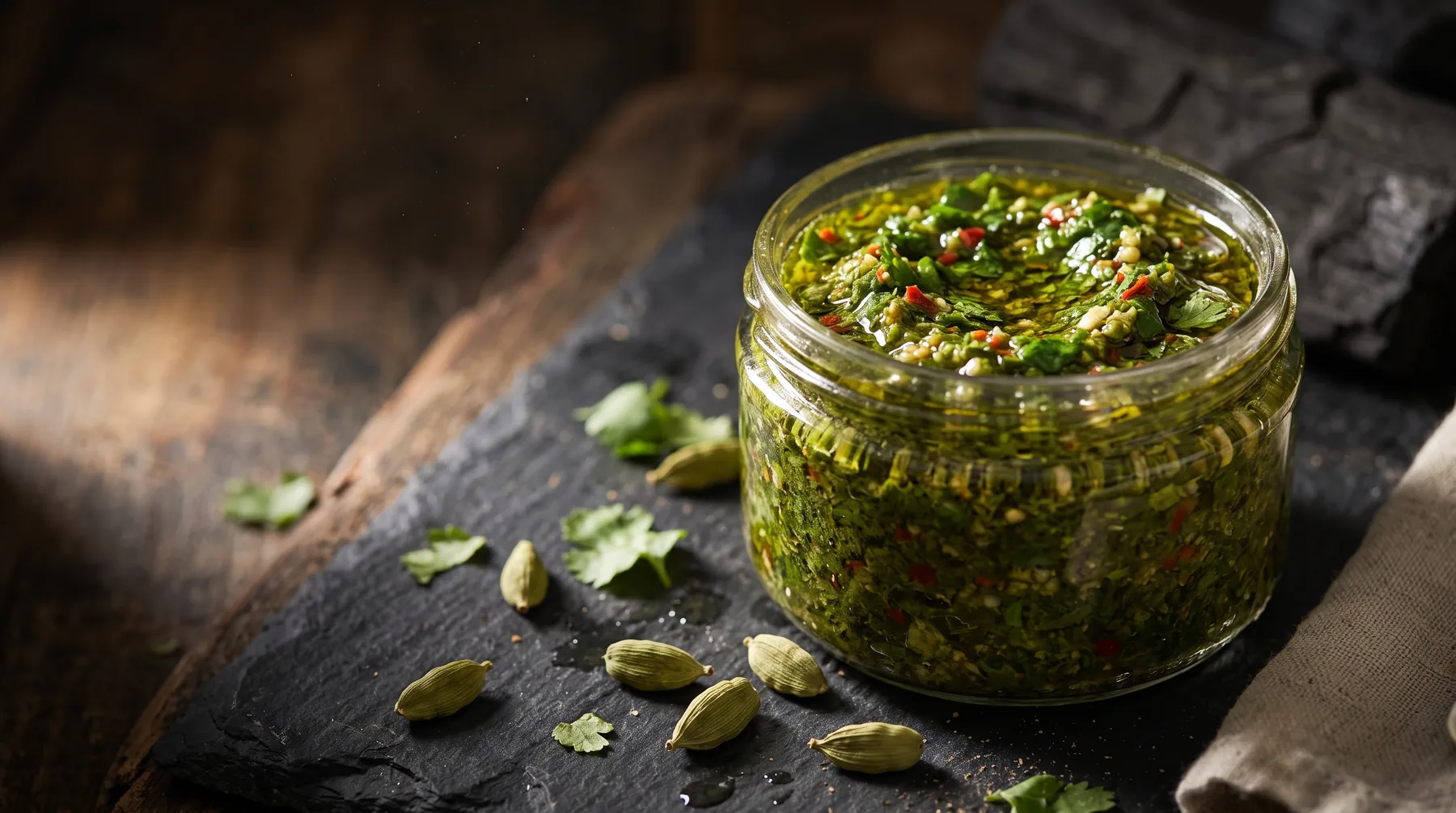
Coarse bright green zhoug with visible cilantro, chile and cardamom

Green Zhoug

Yemeni cilantro-and-serrano relish, raw, ready in fifteen minutes, and violently green. The fastest thing on this site and arguably the most addictive.

15,000–25,000 SHU2 jars
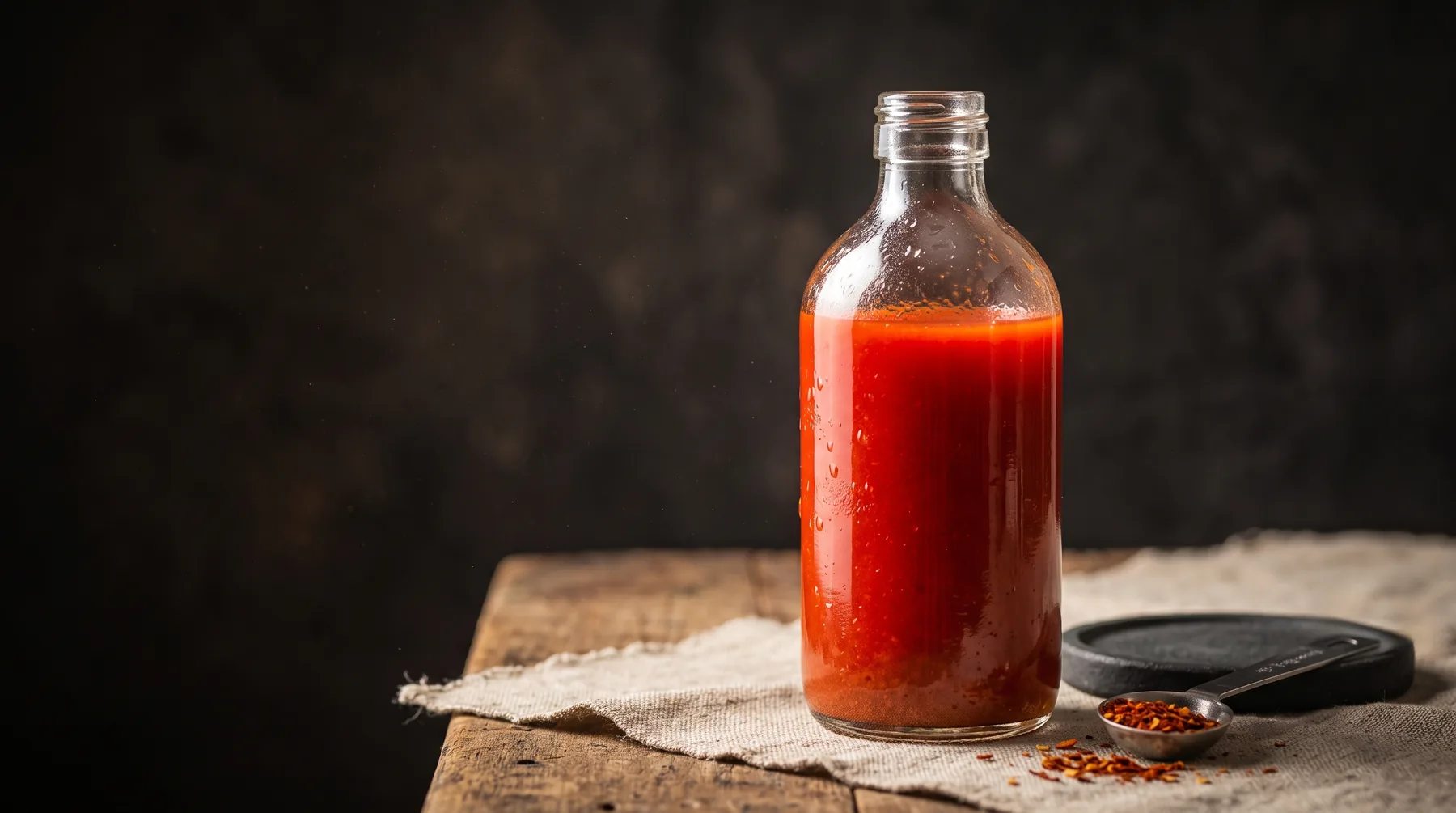
Thin bright red fermented cayenne hot sauce in a glass woozy bottle

Louisiana Cayenne

Three ingredients — cayenne, salt, vinegar — and four weeks of patience. The thin, sharp, pourable hot sauce that goes on everything and gets better in the bottle.

20,000–40,000 SHU5 jars
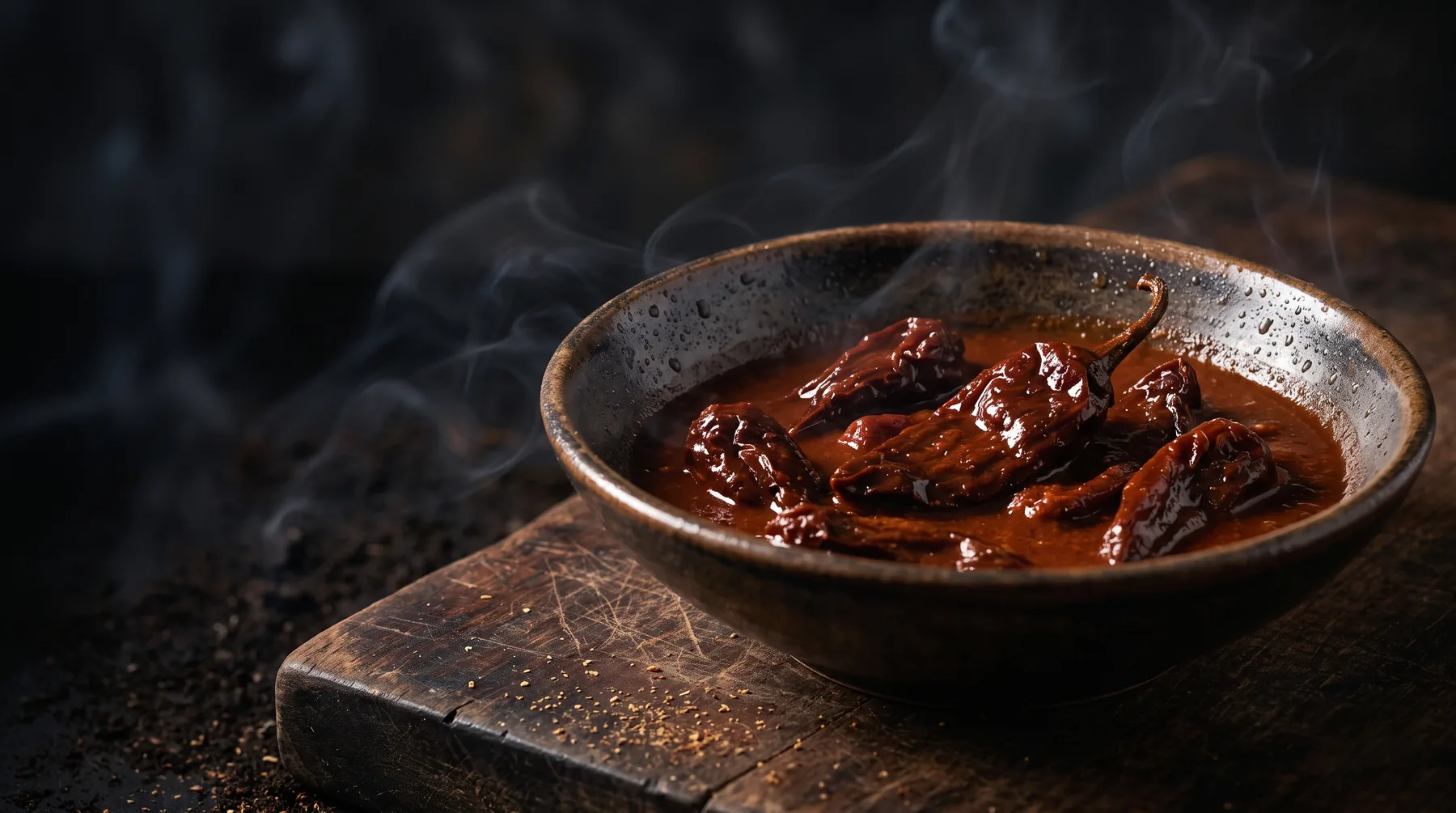
Dark red chipotles in adobo sauce in a shallow bowl

Chipotles en Adobo

Red jalapeños, eight hours of cold smoke, then a braise in a dark ancho-and-vinegar sauce. The single most useful jar in a kitchen.

5,000–10,000 SHU4 jars
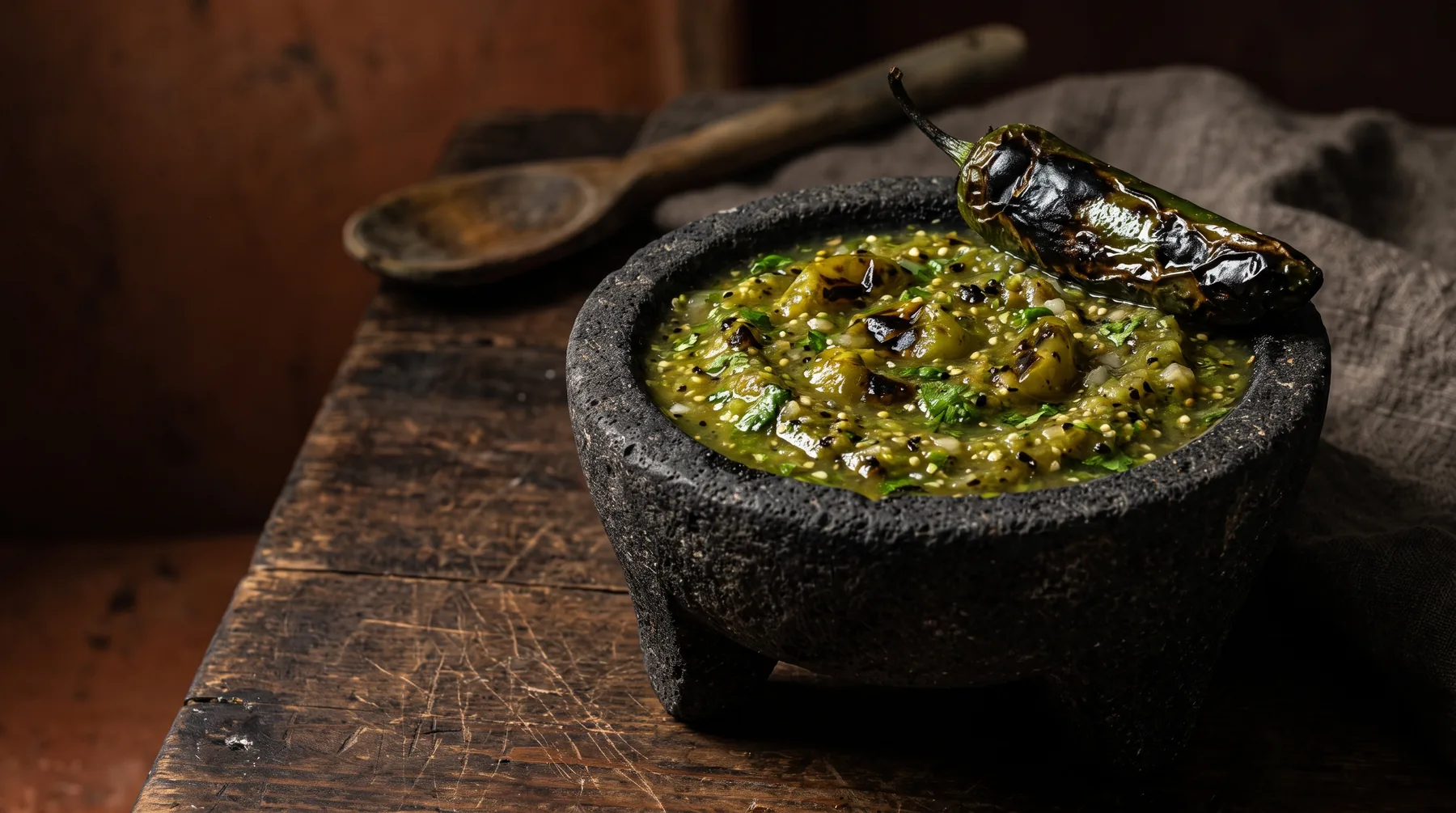
Charred tomatillos and serranos blitzed into a bright green salsa verde

Salsa Verde

Blistered tomatillos, serrano, and a fistful of cilantro. Naturally acidic, ready in forty minutes, and it clings to a taco because tomatillos bring their own pectin.

5,000–12,000 SHU in the finished salsa8 jars
Brick-red romesco sauce with charred red peppers and toasted almonds

Romesco

Charred red peppers, toasted almonds, bread and sherry vinegar. Catalonia's answer to pesto, and the best possible use for a glut of sweet peppers.

Barely detectable — one dried ñora or a pinch of cayenne3 jars

How this site behaves

What we will and won't do

We will

  • Give you the number — soil temp, days to maturity, brine percentage, target pH — instead of an adjective.
  • Cite the NCHFP, the USDA Complete Guide, or a land-grant extension for every food-safety claim.
  • Say out loud when a recipe is not a tested canning process and tell you to refrigerate it.
  • Tell you where our own numbers are assumptions rather than measurements.
  • Disclose, above the fold, that we earn a commission when you buy through our links.

We won't

  • Run display ads, pop-ups, interstitials, or an email capture. There is no newsletter and there won't be one.
  • Sell you anything. Amazon is the seller on every link; we hold no inventory.
  • Traffic in "toxins," detoxes, chemical-free framing, or any other wellness pseudoscience.
  • Invent a persona. Everything here is published by the SeedsToSauce Test Kitchen and reviewed under one house standard.
  • Soften a food-safety fact to make a recipe more appealing.

The best hot sauce you will ever eat
is nine months of work.

It starts on a specific date, in a tray, under a light, months before anyone is thinking about sauce. Pick the jar you want at the end of it and we'll tell you what day to start.

Build your plan →