
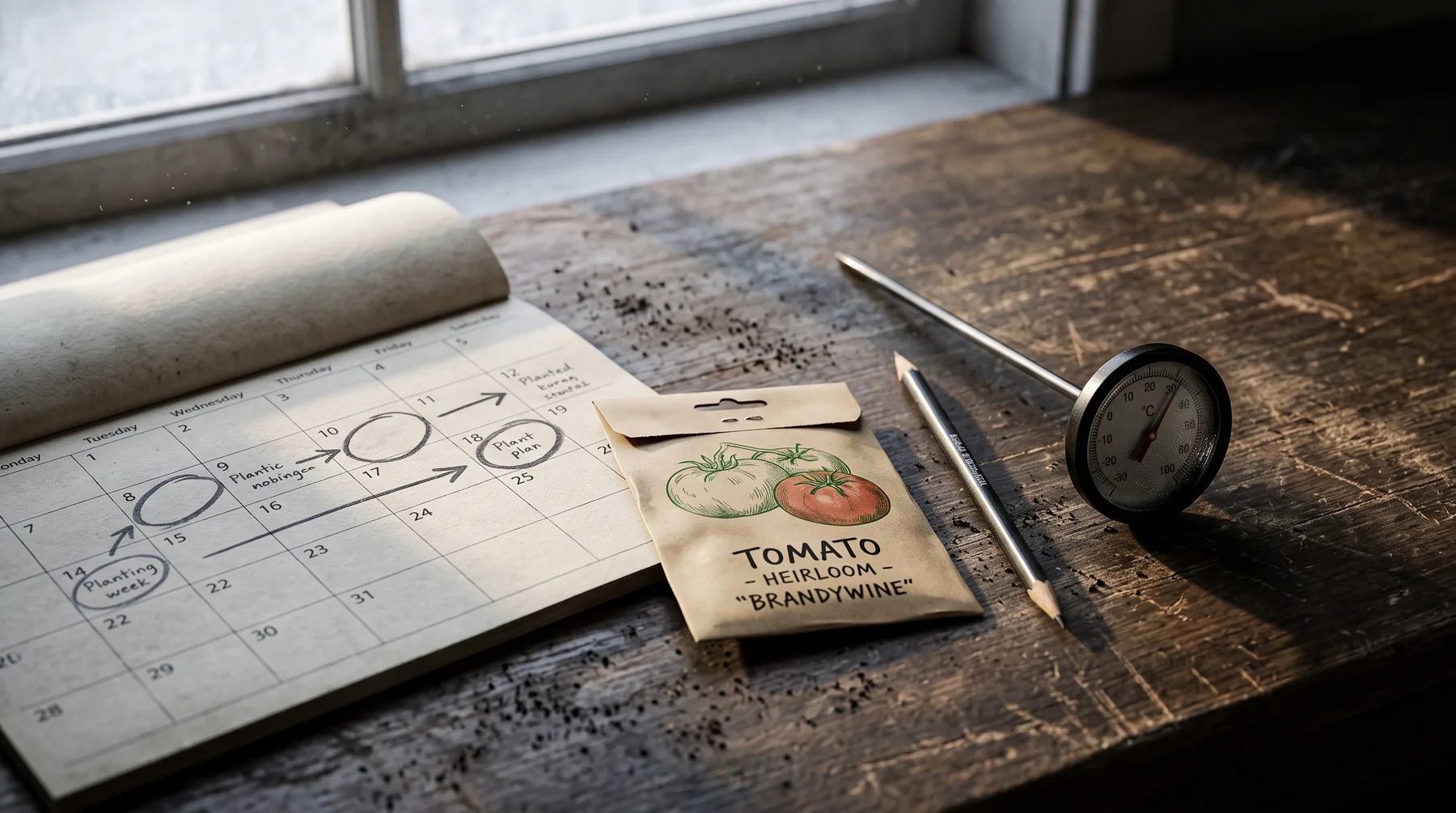
Guide · planning
Frost dates and days to maturity: how to build a sowing calendar that works
A hardiness zone is a minimum-temperature map, not a frost-date map. Here is the arithmetic that turns a seed packet into an actual date on your calendar — and where it breaks.
Almost every failed sauce garden traces back to one arithmetic error made in February.
What a hardiness zone actually is
A USDA hardiness zone is defined by one thing: the average annual extreme minimum temperature. Zone 6 means the coldest night of an average year lands between −10 and 0 °F.
That tells you whether a perennial survives your winter. It does not tell you when your last spring frost is, and it was never designed to.
Two gardens both in Zone 6b — one coastal, one inland at elevation — can differ by three weeks on last frost. Both zone maps are correct. Frost dates are simply a different measurement.
So: use zone frost dates as a defensible default, and override them with your own. Every page on this site that uses a zone frost date says this, and the Plan Builder takes your ZIP (nearest NOAA station) or your own date as an input.
Where to get a real date
Look up NOAA freeze/frost probability data for a station near you — frost dates by city and ZIP has the 1991–2020 normals for 33,679 US ZIP codes (any ZIP with a station within 60 km). It gives dates at 10%, 50% and 90% probability of a 32 °F event.
The number to plan against is the 10% date — the date after which there is only a one-in-ten chance of frost — not the 50% date. A 50% date is, by definition, wrong half the time, and being wrong means dead transplants.
The arithmetic
For a transplanted crop, four dates come out of two inputs.
indoor sow  = last frost − (start weeks × 7)
transplant  = last frost + (transplant weeks × 7)
first pick  = transplant + days to maturity
order seed  = indoor sow − 21 days
Worked, for a habanero in Zone 6 (average last frost ≈ 21 April):
| Step | Calculation | Date |
|---|---|---|
| Order seed | 10 Feb − 21 d | 20 Jan |
| Sow indoors | 21 Apr − 70 d (10 weeks) | 10 Feb |
| Begin hardening off | 21 Apr − 10 d | 11 Apr |
| Transplant | 21 Apr + 14 d (2 weeks) | 5 May |
| First harvest | 5 May + 95 d | 8 Aug |
| Sauce day | first harvest + 14 d | 22 Aug |
That last line matters. One plant does not fruit all at once, and a sauce batch needs accumulated weight, not the first ripe pod. Budget two weeks past first pick.
From transplant, or from sowing?
Days to maturity is counted from different anchors for different crops and packets frequently do not say which.
- Transplanted crops — peppers, tomatoes, tomatillos, onions: DTM is from transplant, and excludes the weeks indoors. A “95-day” habanero is really about 165 days from sown seed.
- Direct-sown crops — carrots, cilantro: DTM is from sowing.
Confusing the two is a three- to eight-week error, which is the whole margin in a short season. Every crop page here states its anchor explicitly in the days to maturity row.
The autumn constraint nobody checks
Most gardeners check that they can start early enough. Fewer check that they can finish.
first pick + 14 days must be well before first fall frostIf your first harvest lands inside two weeks of the average first frost, the schedule has no slack: one cool August and the crop does not finish. This site marks that condition tight on every crop’s zone table and in every generated plan.
In Zone 3, a 95-day habanero from a 15 May last frost hits first pick around 22 August against a 15 September first frost. It is doable — with zero margin, and only if you sowed on time in February.
Why the numbers are approximate, honestly
Days to maturity is a proxy for accumulated heat, not elapsed time. Plants develop on growing degree days, and a cool July genuinely stretches a 75-day tomato past 75 days.
That is why every plan this site generates says where it is guessing. The dates are a plan, the weather is the clock, and the honest thing to do is say so rather than print a date with false precision.
Buying yourself slack
- Start indoors on time. Nothing else recovers a missed February.
- Row cover buys about 6 °F at both ends — often two weeks of season.
- Choose the shorter cultivar in a short zone: Roma at 75 days over San Marzano at 80.
- Pick green and ripen inside. Tomatoes and peppers both finish ripening off the plant. When frost is forecast, strip the plant.
Related crops
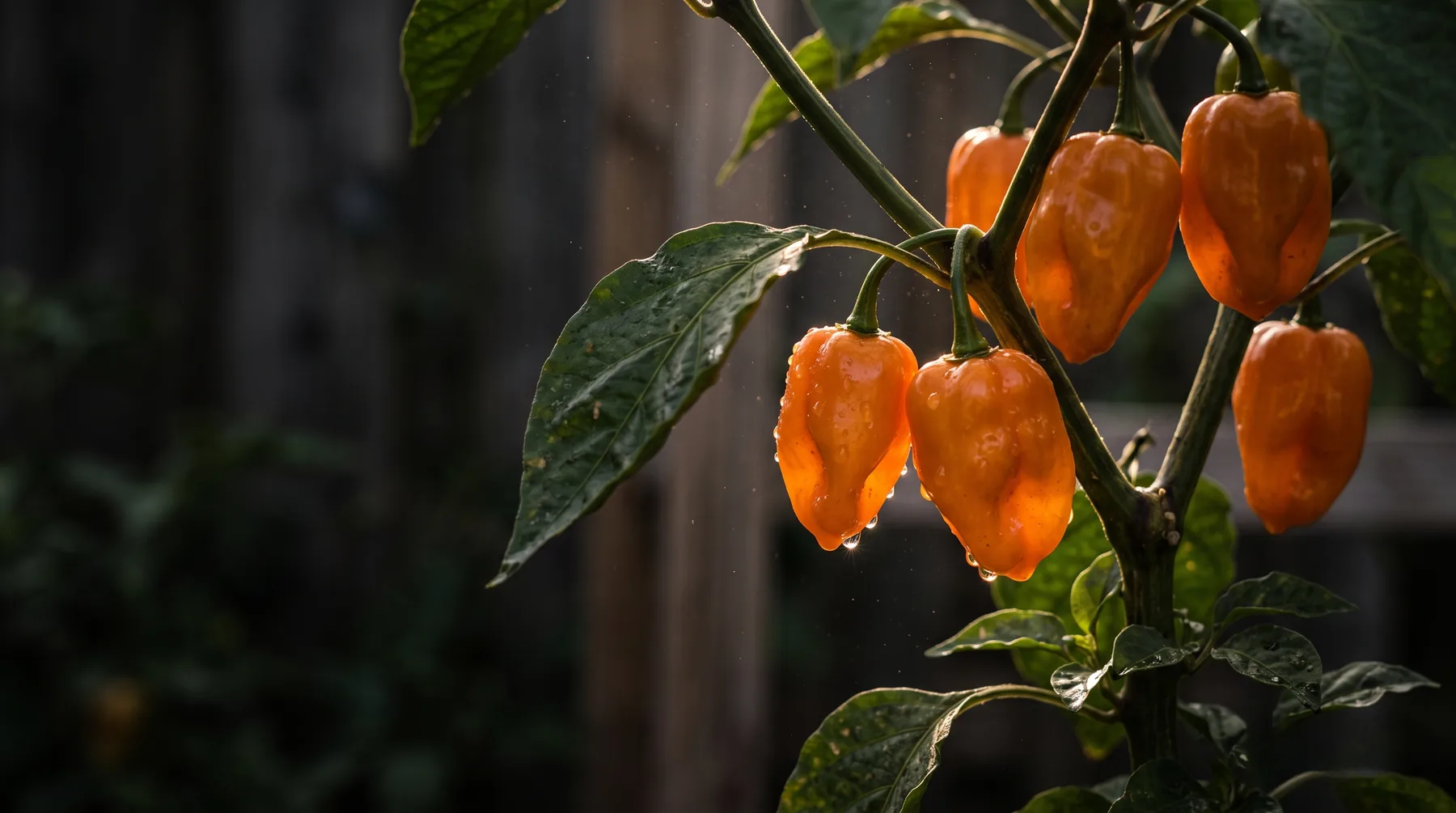
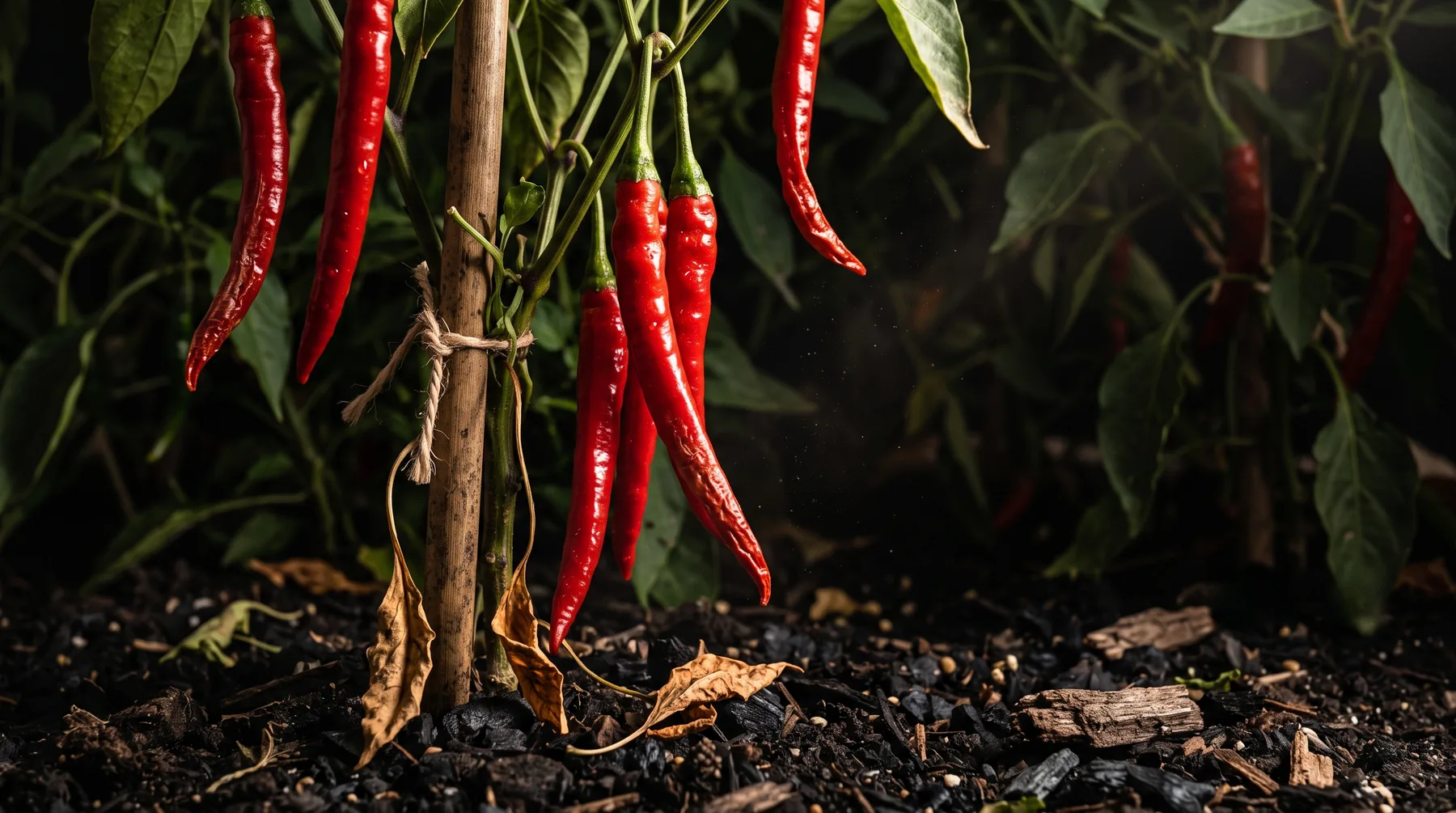
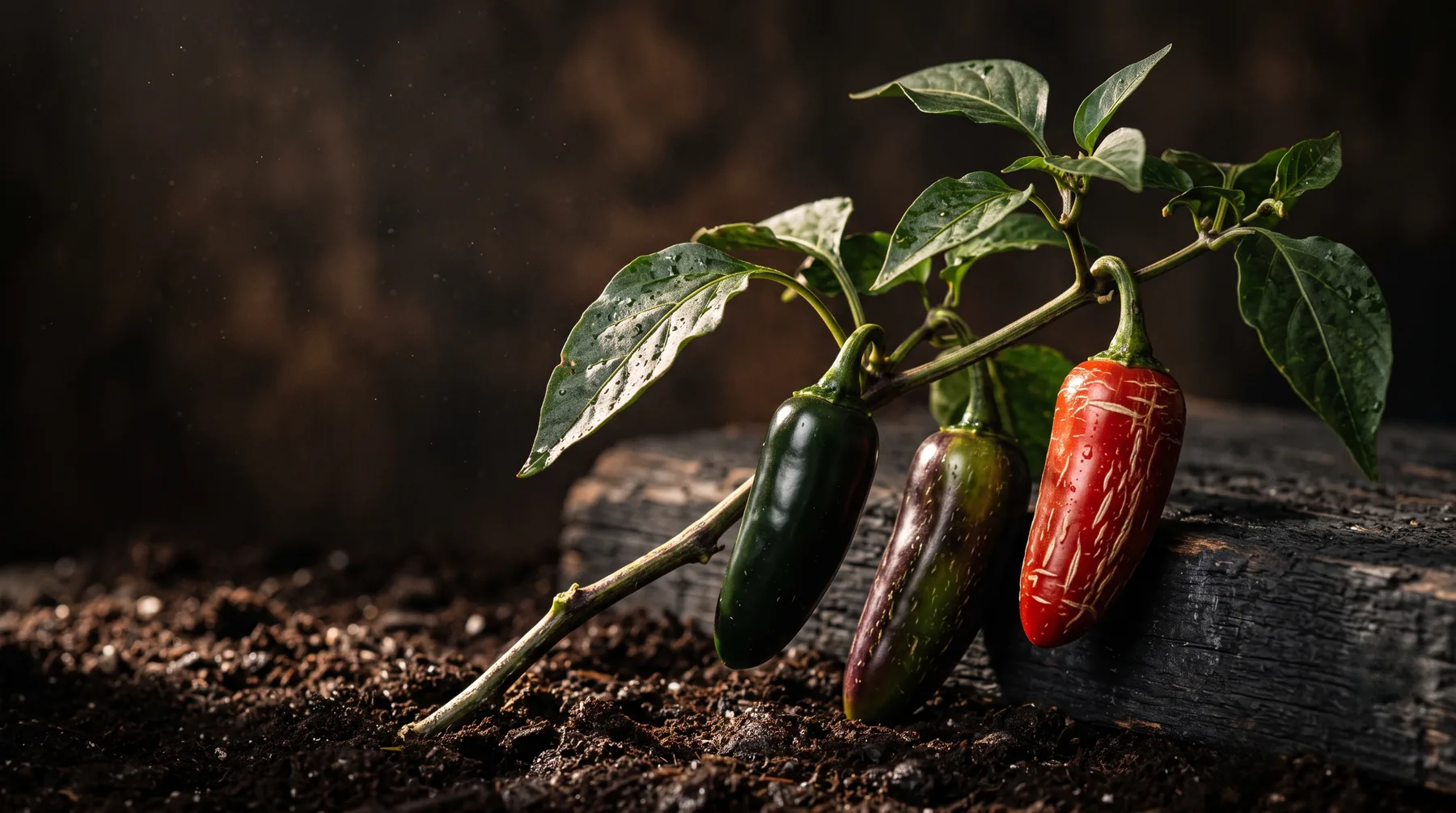
Related sauces
Sources
Every food-safety number on this page traces to one of these. If you are going to trust one link on this site, trust these over us.
The gear this guide assumes
Seedling Heat Mat + Digital ThermostatMust have
Peppers germinate on soil temperature, not air temperature. At 65 °F a habanero takes a month and half of them rot; at 85 °F it is up in eight days. The thermostat is the half that matters.
T8 Full-Spectrum Grow Lights, 1 ft 4-packMust have
A south window in March delivers a fraction of the light a pepper seedling needs, and the plant tells you by stretching. Two inches of LED above the canopy for 16 hours a day fixes it permanently.
72-Cell Trays with 1020 Bottoms, 5-PackMust have
The cheap black nursery trays crack after one season and flex enough to break roots when you lift them. These do not. Over five seasons the price per use is lower than the throwaways.
Organic Seed Starter Potting MixMust have
Seed-starting mix is not potting soil with a nicer label — it is finer, lighter, and low in nutrients on purpose, because a seedling's first roots want air and moisture, not fertiliser.
T-Type Plant Labels, 200 pcs + Marker
Six pepper seedlings look identical for eleven weeks. Ask anyone who has planted a habanero where the Marconi should have gone.
3-in-1 Soil Moisture / Light / pH Tester
Used for one thing — is the root zone actually dry six inches down — it prevents both halves of the most common container failure. Ignore the pH scale on it entirely.
AG-30 Frost Protection Row Cover
AG-30 buys roughly 6 °F of frost protection while passing about 70% of light — enough to carry a crop through an early-October cold snap that would otherwise end your season two weeks short.
Paid links. We earn a commission from Amazon if you buy; you pay the same. Disclosure.
Questions people actually ask
My zone is 6b. What's my last frost date?
Your zone does not tell you. A hardiness zone is defined by average annual extreme MINIMUM temperature — it describes what will survive your winter, not when spring frost ends. Two Zone 6b gardens can differ by three weeks in last-frost date. Look up the nearest NOAA station's dates on our frost-dates-by-city pages, or enter your ZIP in the Plan Builder.
Days to maturity from sowing or from transplant?
It depends on the crop, and packets are inconsistent about saying so. For transplanted crops — peppers, tomatoes, tomatillos — DTM is almost always counted from TRANSPLANT and excludes the weeks indoors. For direct-sown crops — carrots, cilantro — it is from sowing. Every crop page on this site states which, because mixing them up is a three-to-eight-week error.
I'm late. Can I catch up by starting bigger transplants?
Partly. A larger, well-hardened transplant makes up perhaps one to two weeks. It does not make up six. For a 95-day habanero in Zone 5, the sowing date is genuinely a deadline.
Is one growing degree day the same as one calendar day?
No, and that is why every date on this site is approximate. Days to maturity is a proxy for accumulated heat. A cool July stretches a 75-day tomato well past 75 days; a hot one shortens it. Treat DTM as a planning number, and the weather as the actual clock.
Last reviewed 2026-09-01 by the SeedsToSauce Test Kitchen.Corrections welcome.