
Preserve$$$ Buy once
Preserving — canners, jars, and the tools that make a seal hold
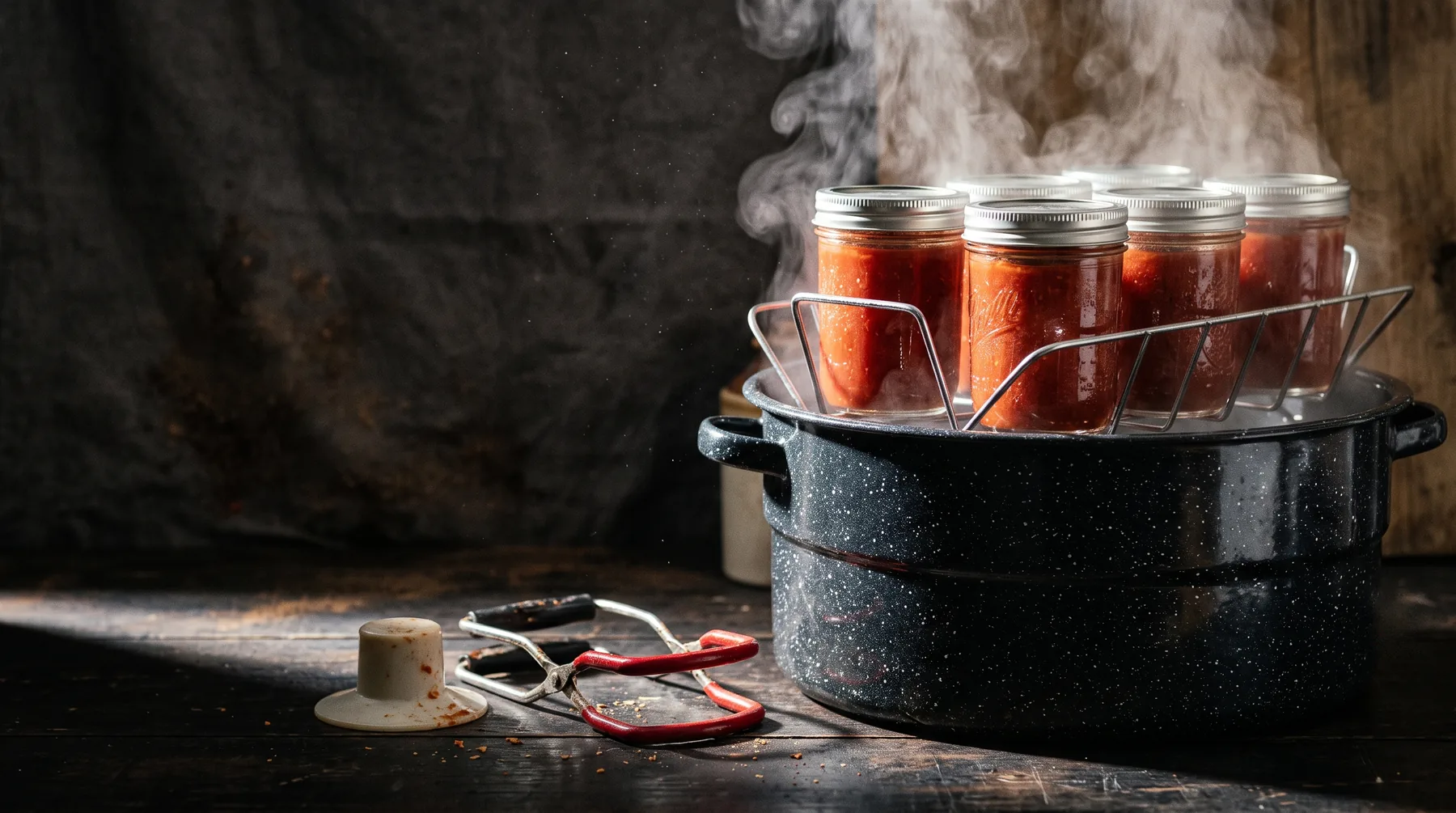
Which canner for which food is decided by one number, not by preference. Plus the three tools that account for most failed seals.
The gear catalog
No naked top-ten lists. Every item here is attached to a phase of the seed-to-sauce pipeline and to a crop or a process that needs it. Filter down to the phase you're stuck on.
Which canner for which food is decided by one number, not by preference. Plus the three tools that account for most failed seals.
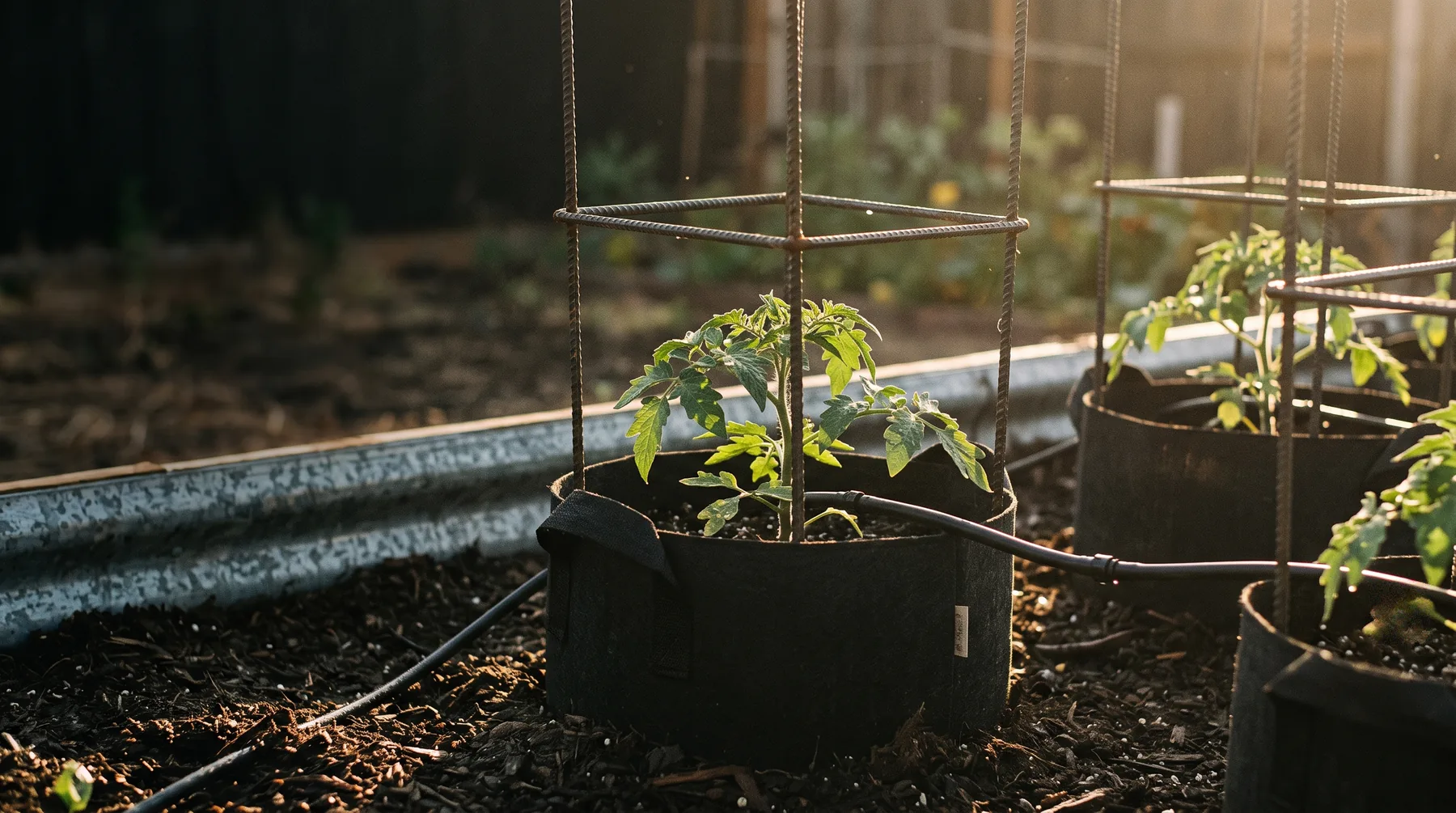
Root volume, watering consistency and something strong enough to hold a loaded indeterminate tomato in August. Three problems, three purchases.
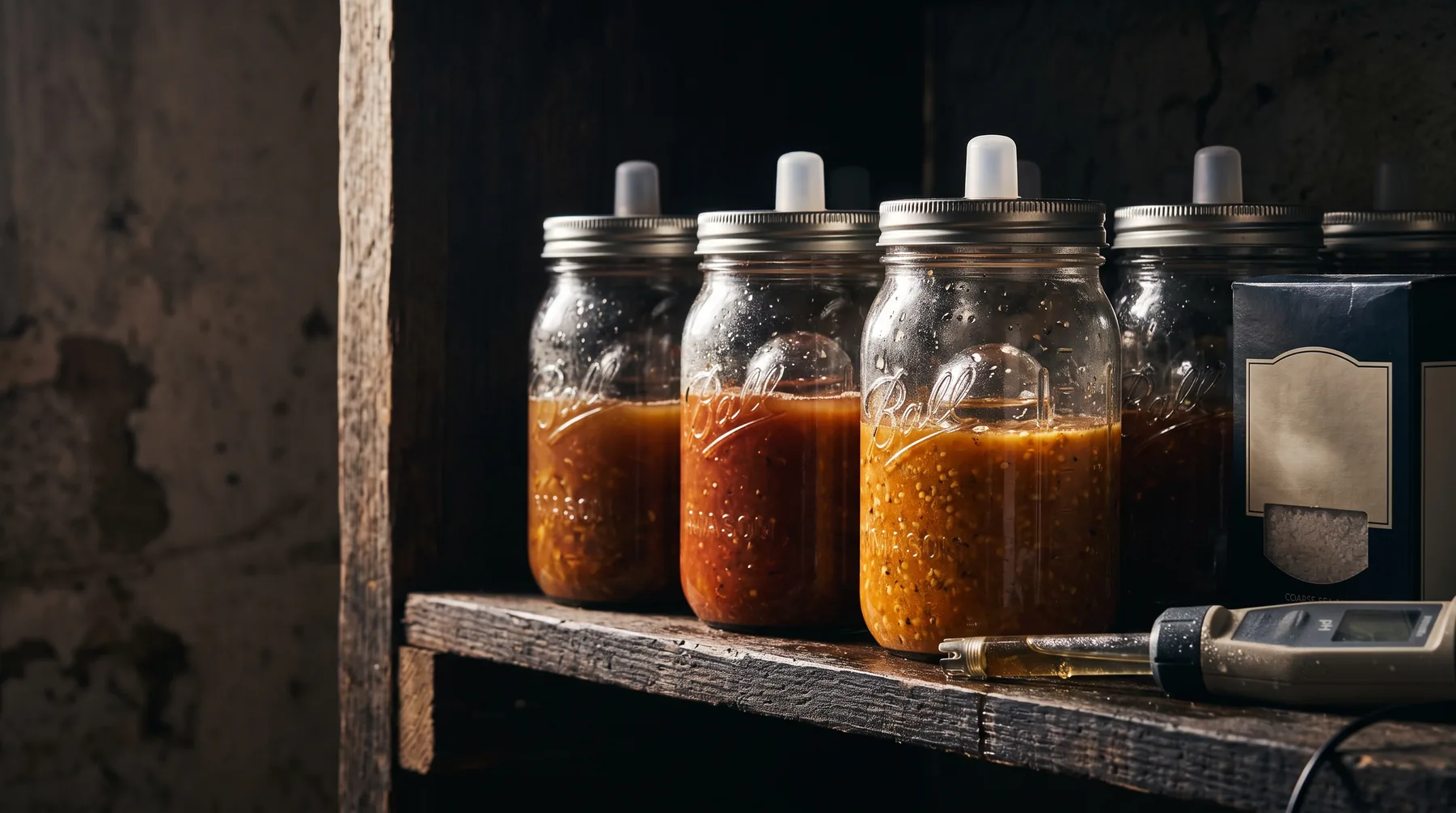
Four purchases and one number. Everything that goes wrong in a ferment goes wrong because something floated, or because the salt was measured in spoons.
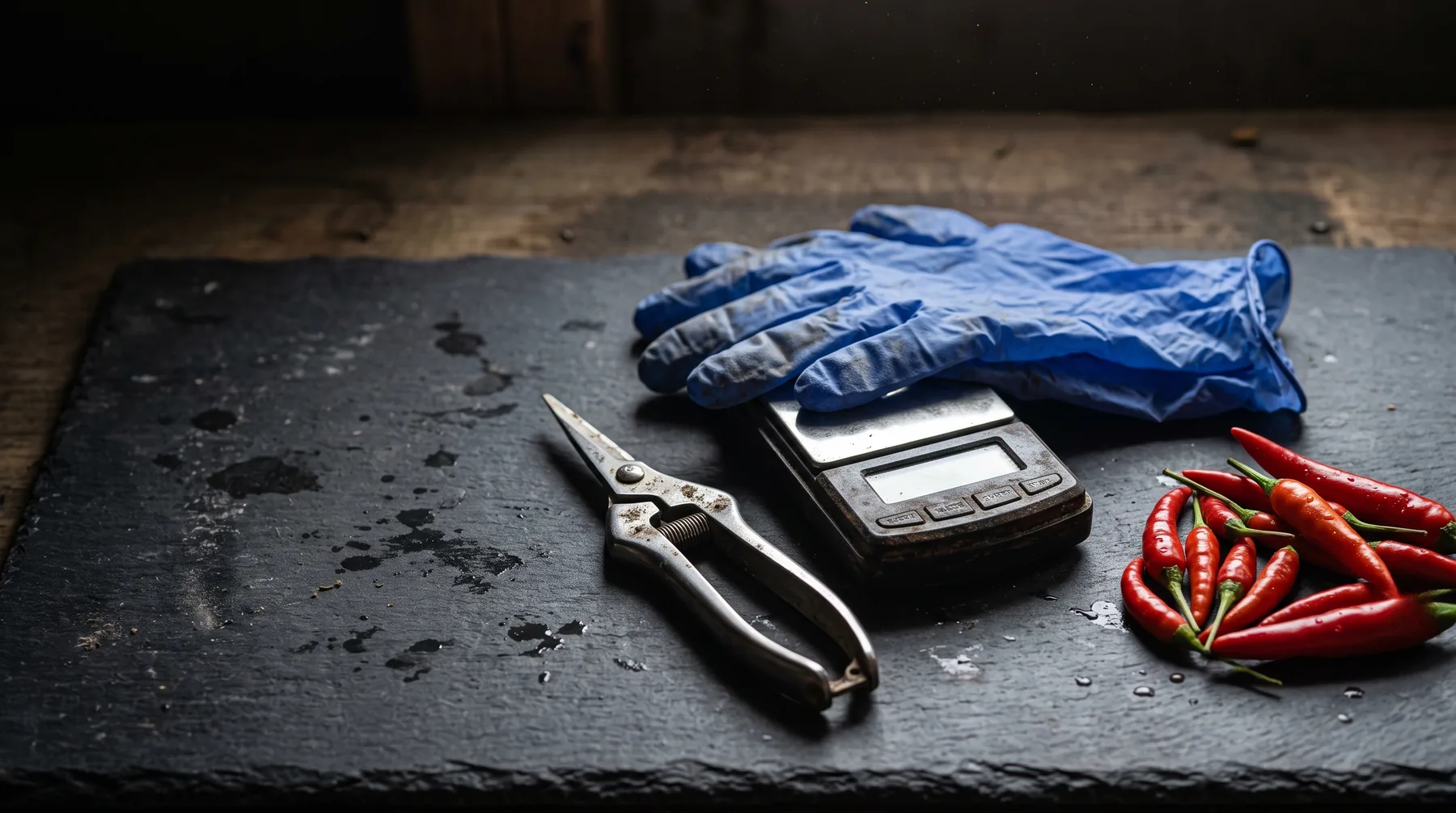
Five cheap things. One of them is not optional if you are ever going to touch a habanero, and one of them is the reason your fermentation is safe.
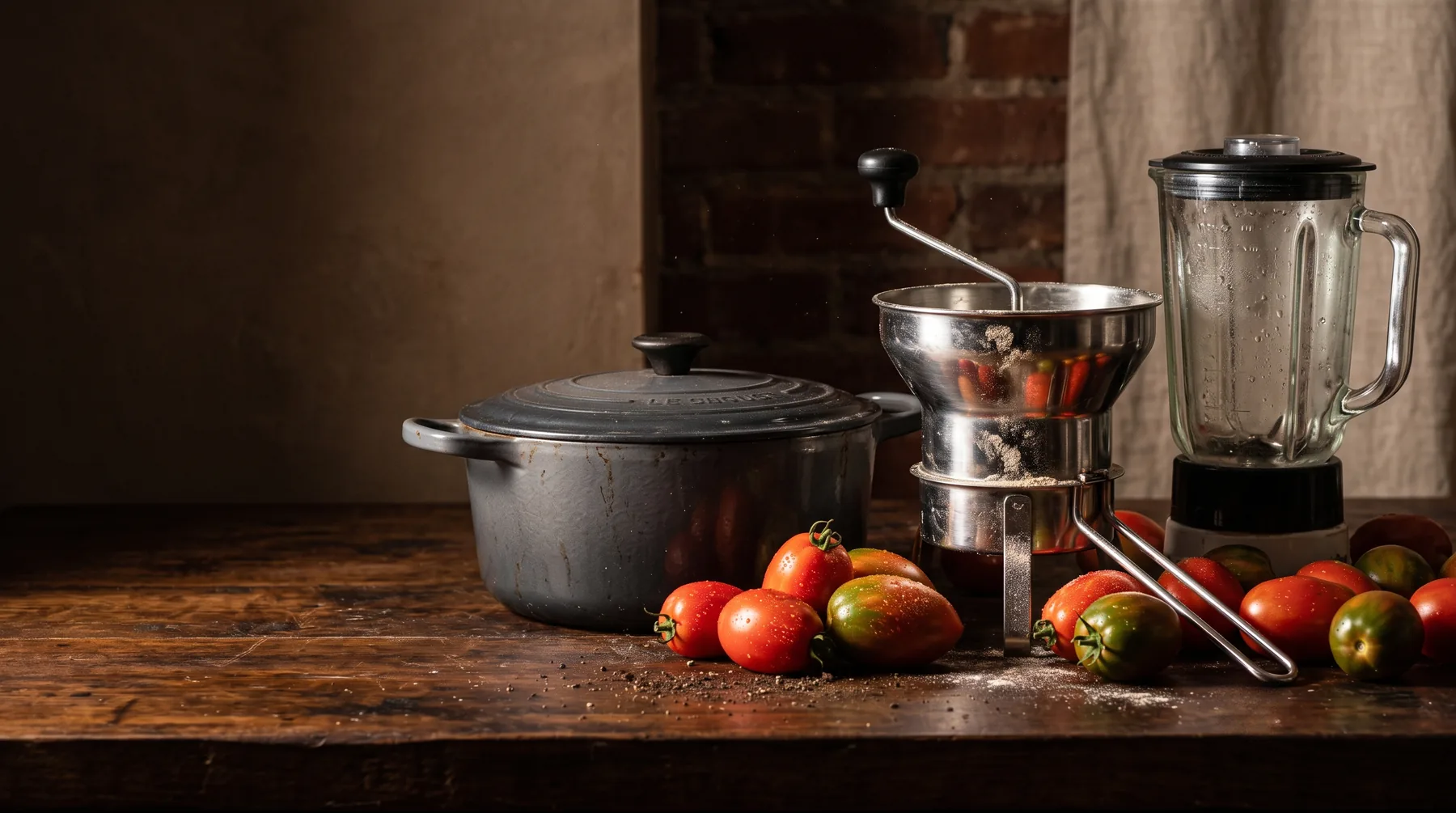
Acid strips bare metal, blenders and mills do opposite jobs, and one of these purchases removes a full hour from every tomato sauce day.
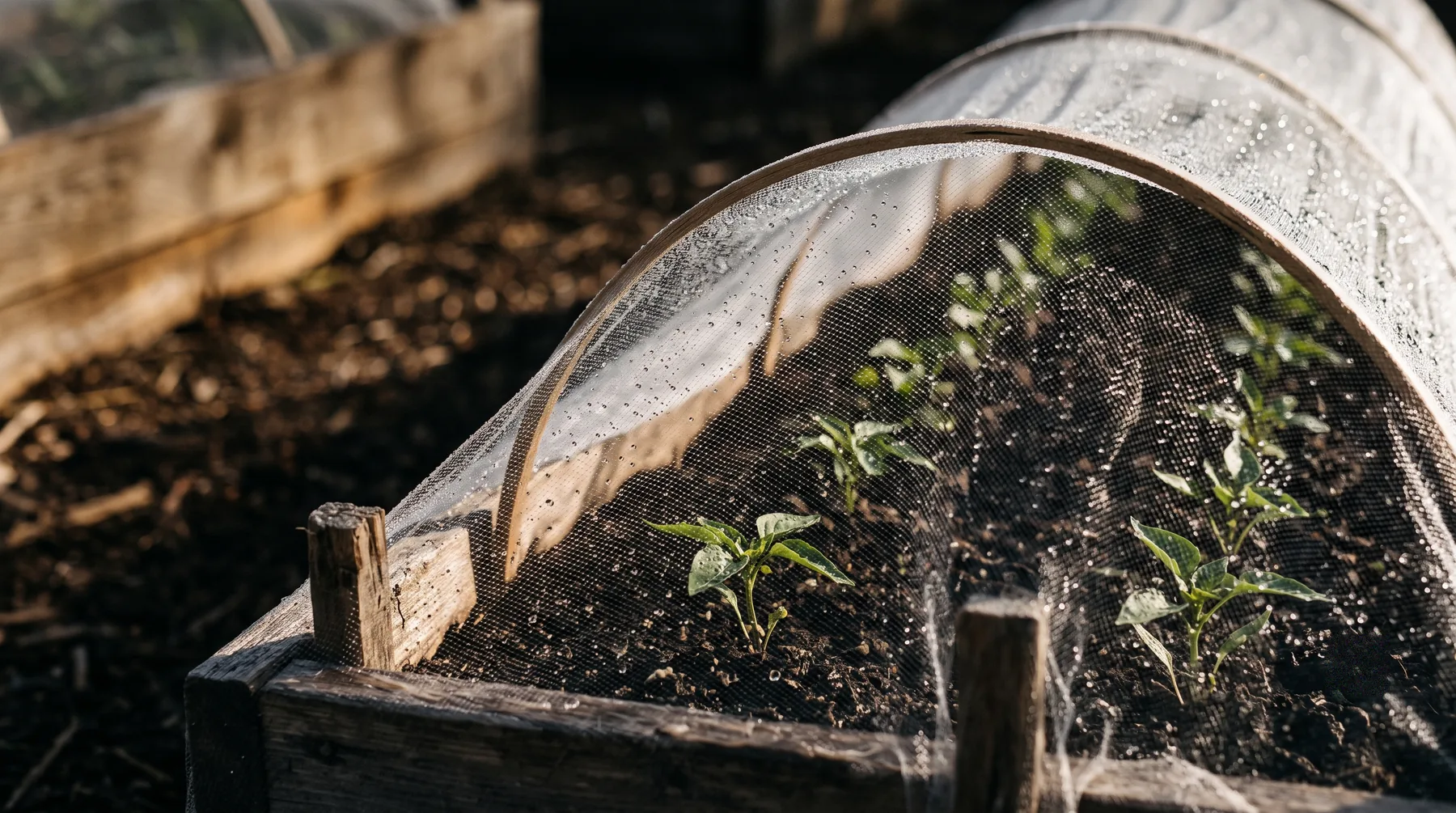
The four problems that actually take a sauce garden, in order of likelihood, and the cheapest intervention that works for each. Exclusion beats chemistry every time.
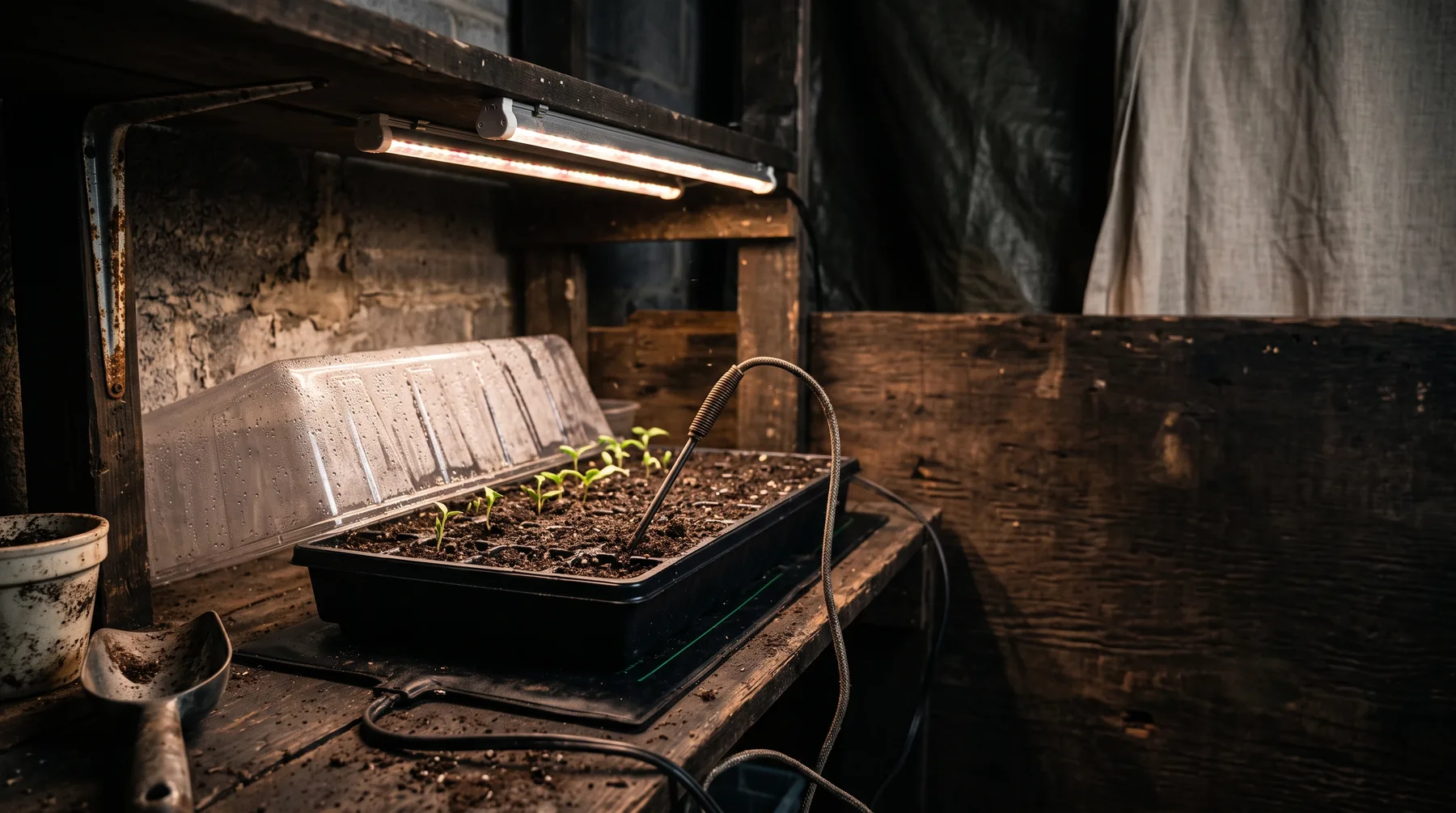
Heat, light, trays and mix. Get these right in February and the rest of the year is maintenance; get them wrong and there is no recovering it in May.
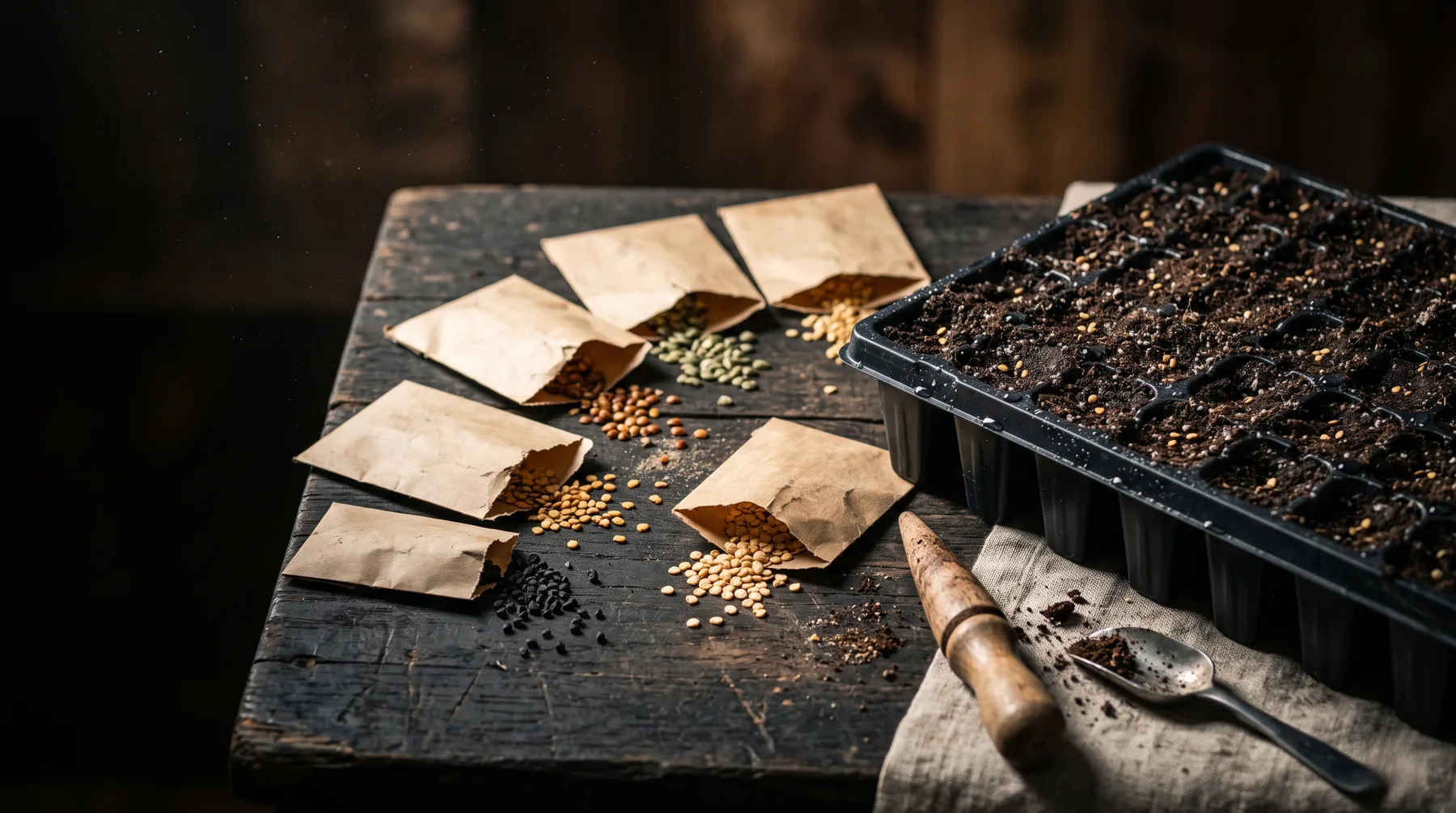
A packet costs five dollars and decides everything downstream. Which specific cultivars the sauces on this site are built on, and why substituting is not a small change.
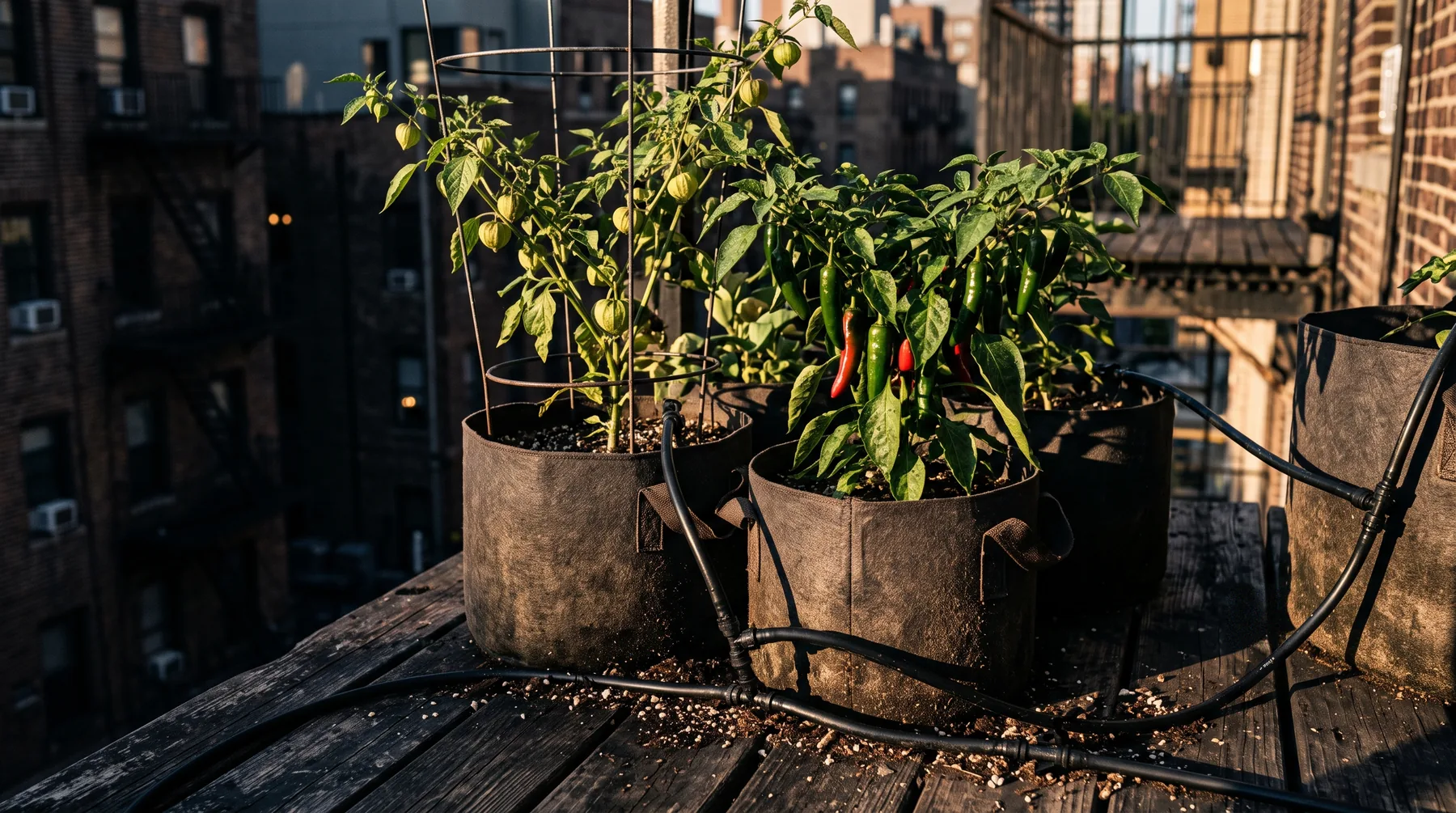
Six to eight containers on a sunny deck, and enough tomatillo, serrano and cilantro for a real batch of salsa verde plus a summer of fresh eating.
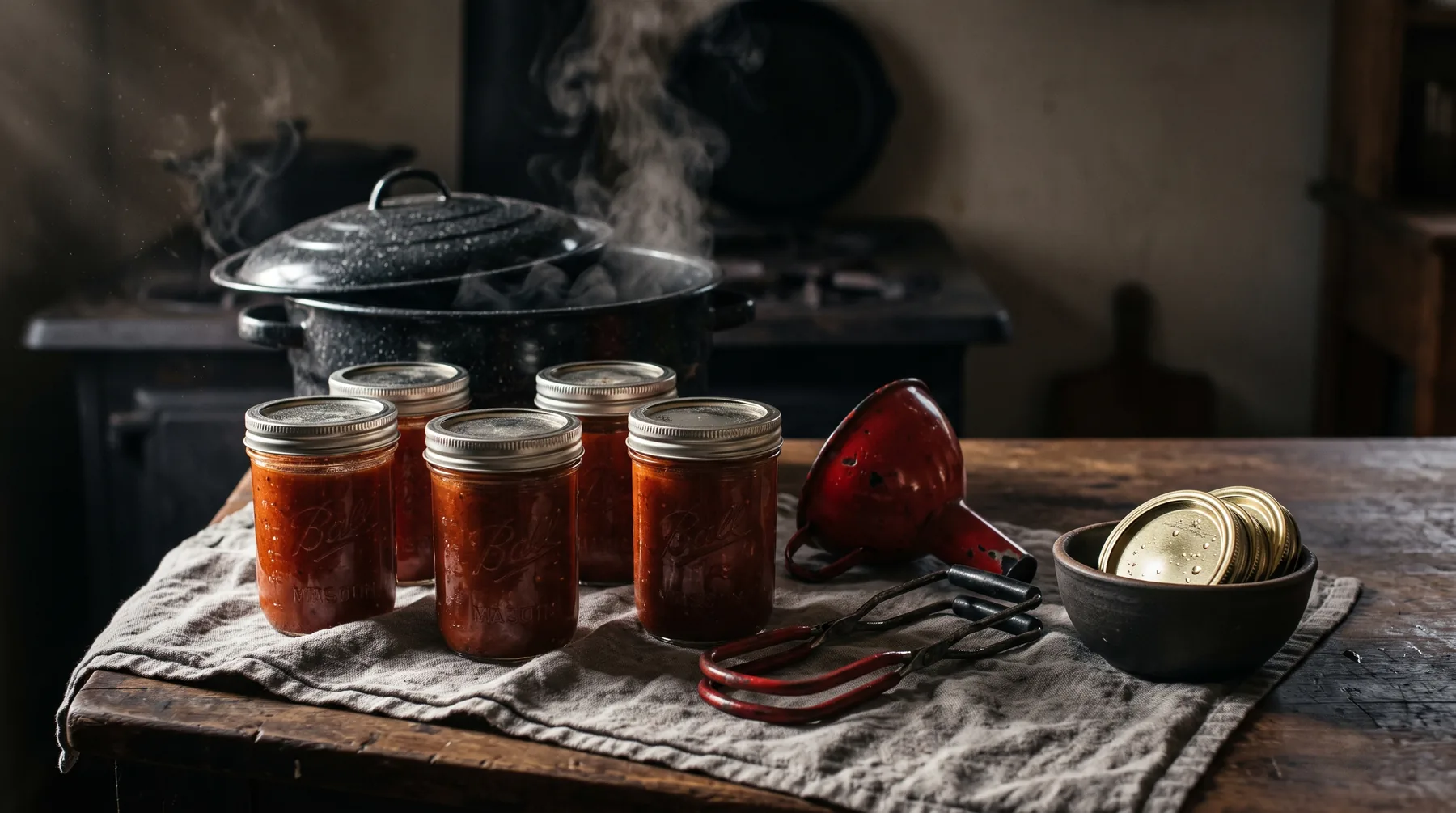
The water-bath kit that turns a tomato harvest into a shelf of jars — canner, rack, tools, jars, lids, and a way to check acidity.
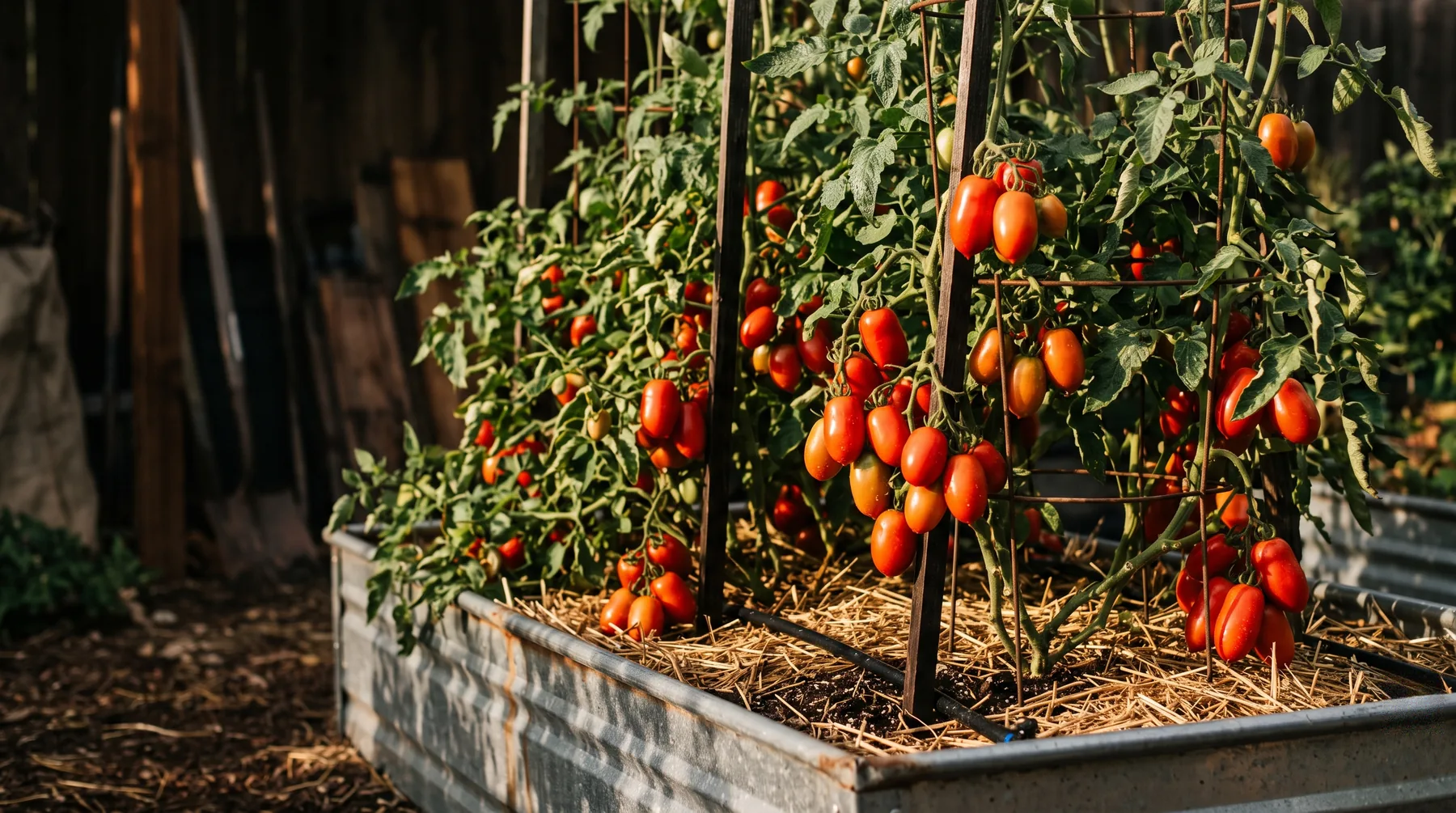
One 4×8 bed, six paste tomatoes with real support, and enough fruit for a winter of Sunday gravy — plus the canning setup to make it shelf-stable.
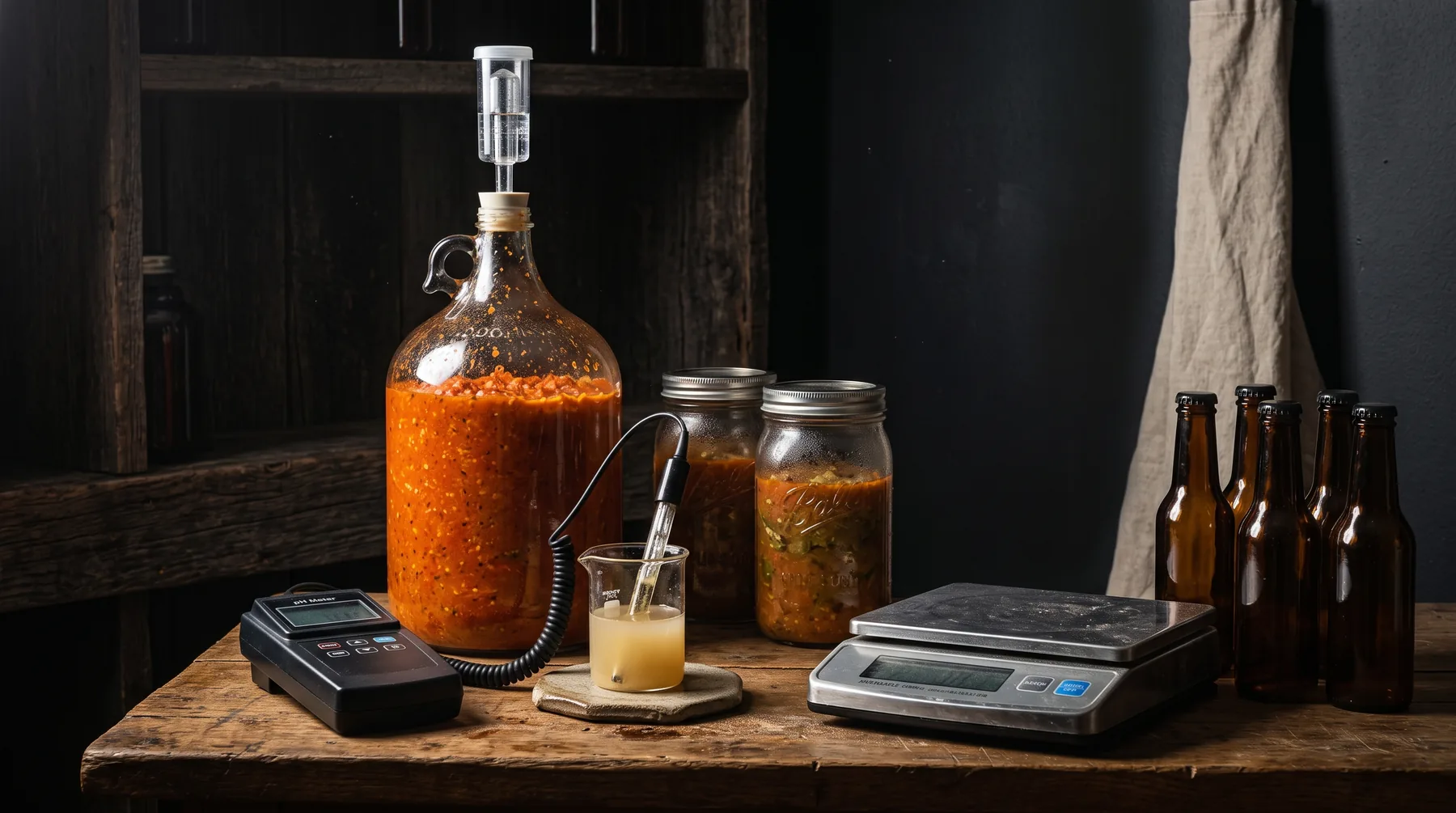
Everything to run a real hot sauce ferment, from a gram scale to a calibrated pH meter. Kitchen-only — no growing gear, for people who already have chiles.
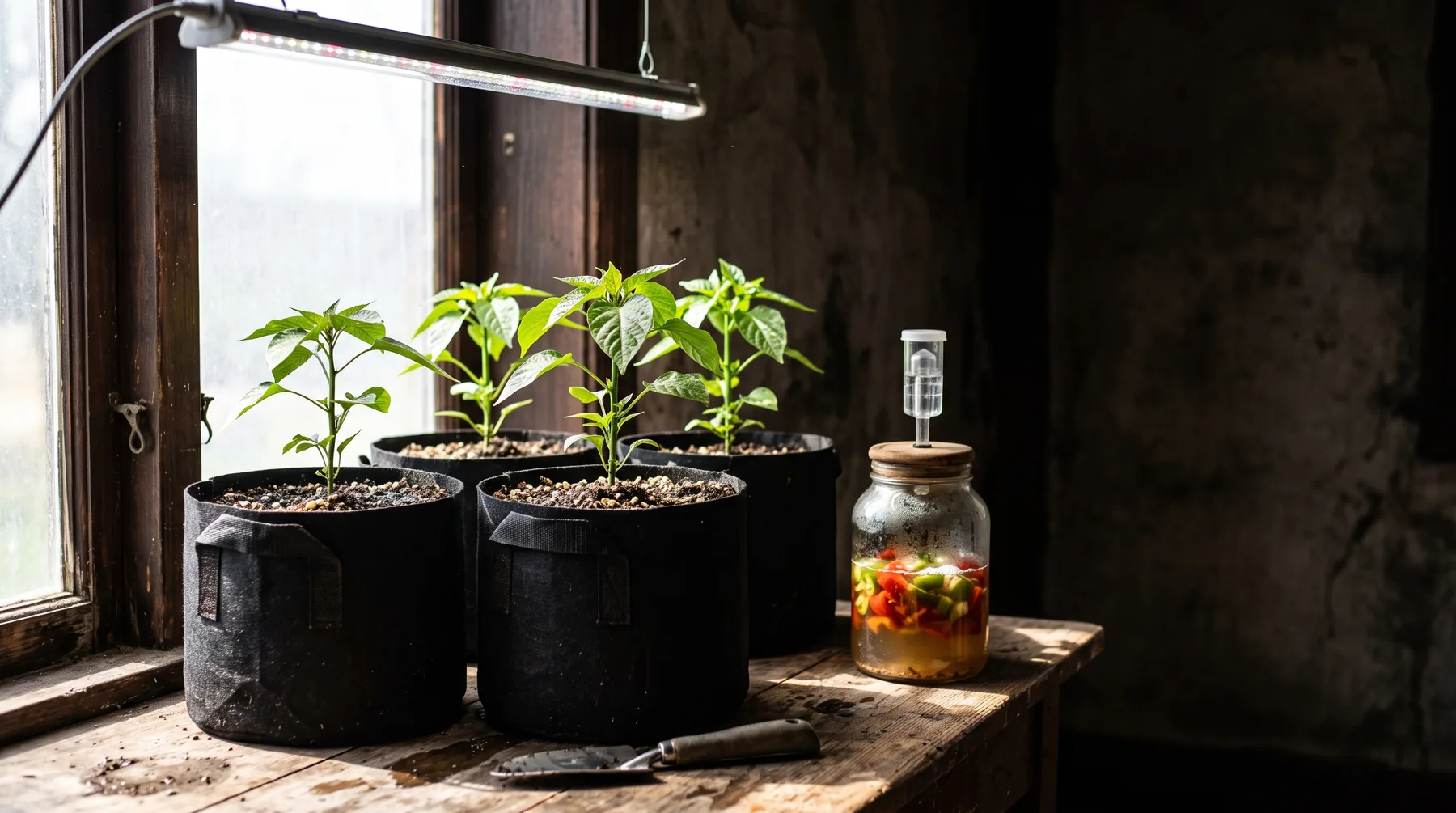
Three plants, a shelf, a light and a jar. The smallest setup that genuinely ends in a bottle of fermented hot sauce, for people with no garden at all.