
Sauce · Refrigerator only
Harissa from Home-Dried Cayenne and Roasted Marconi
Dried cayenne softened in hot water, a charred sweet Marconi for body, toasted coriander, cumin and caraway, garlic, lemon and olive oil. The North African chile paste, made from two pepper plants you already grow.
Not a tested canning process
There is no tested home-canning process for harissa. It's a dense chile paste with raw garlic under oil, and garlic in oil is the classic home botulism risk if it's left at room temperature. Keep it refrigerated under a film of oil and use it within one week, or freeze it in portions for up to a year. Never store it at room temperature, and don't water-bath or pressure-can this recipe. To keep cayenne shelf-stable, store the pods dried and make harissa in small batches.
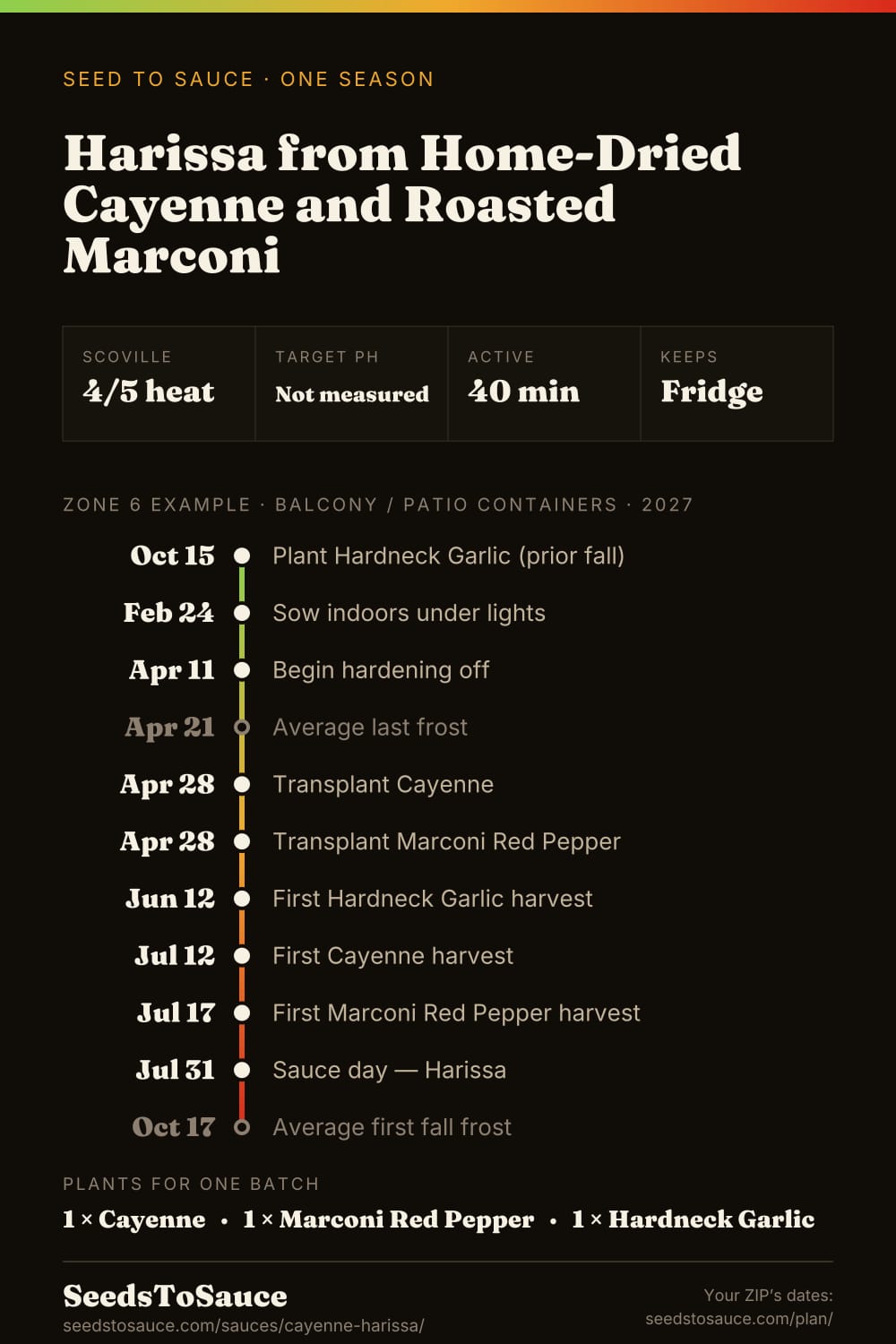
If you started today, in Zone 6, in pots
3 plants. 2 jars. Sauce on Jul 31.
Worked from Zone 6's average last frost (Apr 21) and each cultivar's days to maturity. Your zone and your space change every date below — the builder does that for you.
- Feb 3Order seeds and starting supplies
- Feb 24Sow indoors under lights
- Apr 21Average last frost (Zone 6)
- Jun 12First Hardneck Garlic harvest
- Jul 12First Cayenne harvest
- Jul 17First Marconi Red Pepper harvest
- Jul 31Sauce day — Harissa
Save it
The whole season, one pin
| Yield | About 2 cups. Fills two half-pint jars — 2 half-pint jars |
|---|---|
| Active time | 40 minutes |
| Total time | 30 minutes soaking, 40 minutes active |
| Heat | Built on cayenne (30,000–50,000 SHU), softened by roasted sweet pepper |
| Target finished pH | Not measured — low acid, refrigerate or freeze only |
| Preservation | Refrigerator only |
| Fruit this batch eats | 1.2 lb Cayenne1 lb Marconi Red Pepper0.06 lb Hardneck Garlic |
What you have to grow
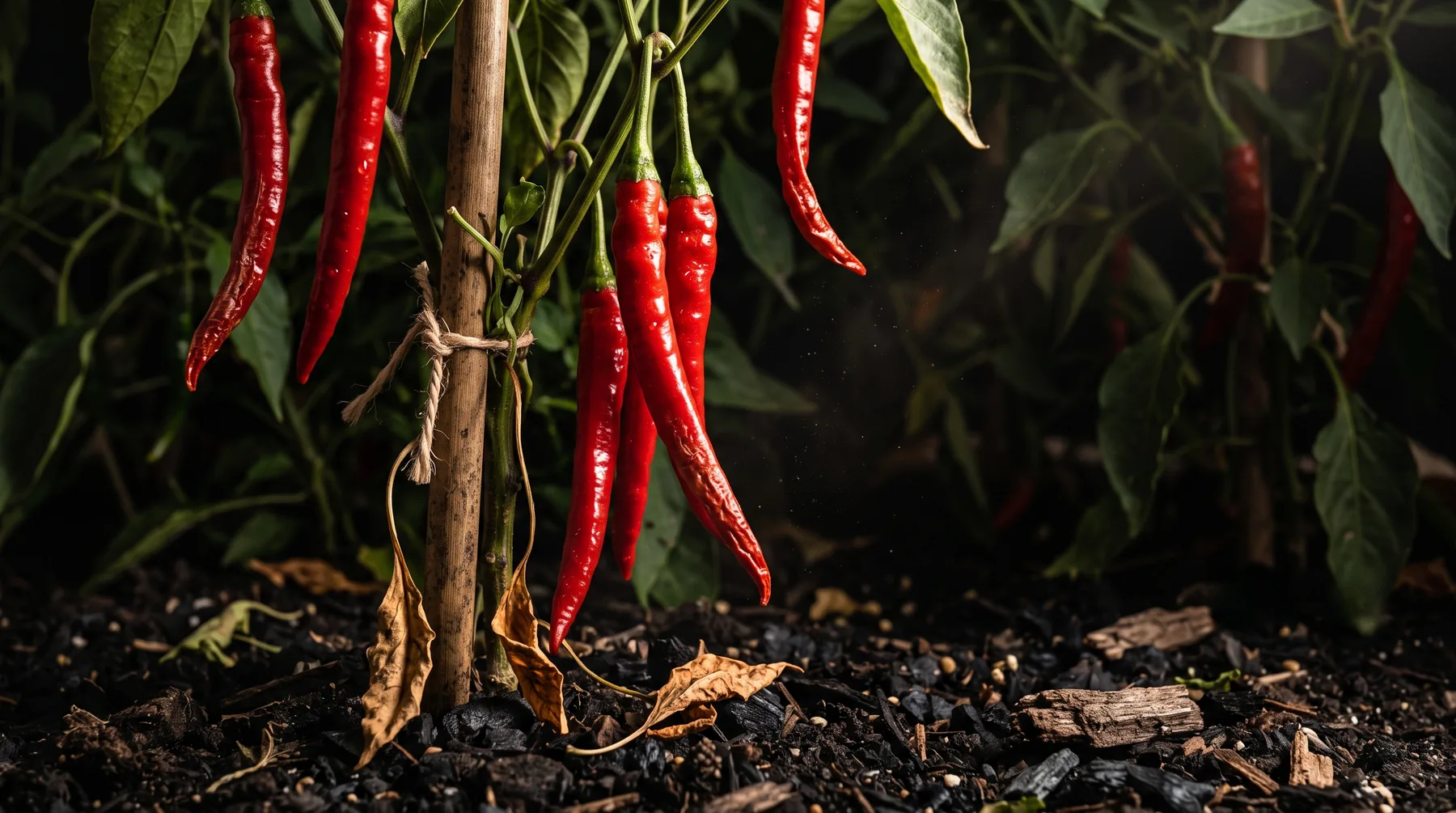
Harissa is what you get when you take a dried chile seriously. Soaked, blended with toasted whole spices and enough garlic to notice, and finished with olive oil, it’s a brick-red paste that’s smoky, sharp and warm. A spoonful stirred into a stew or a tray of roast carrots changes the whole dish.
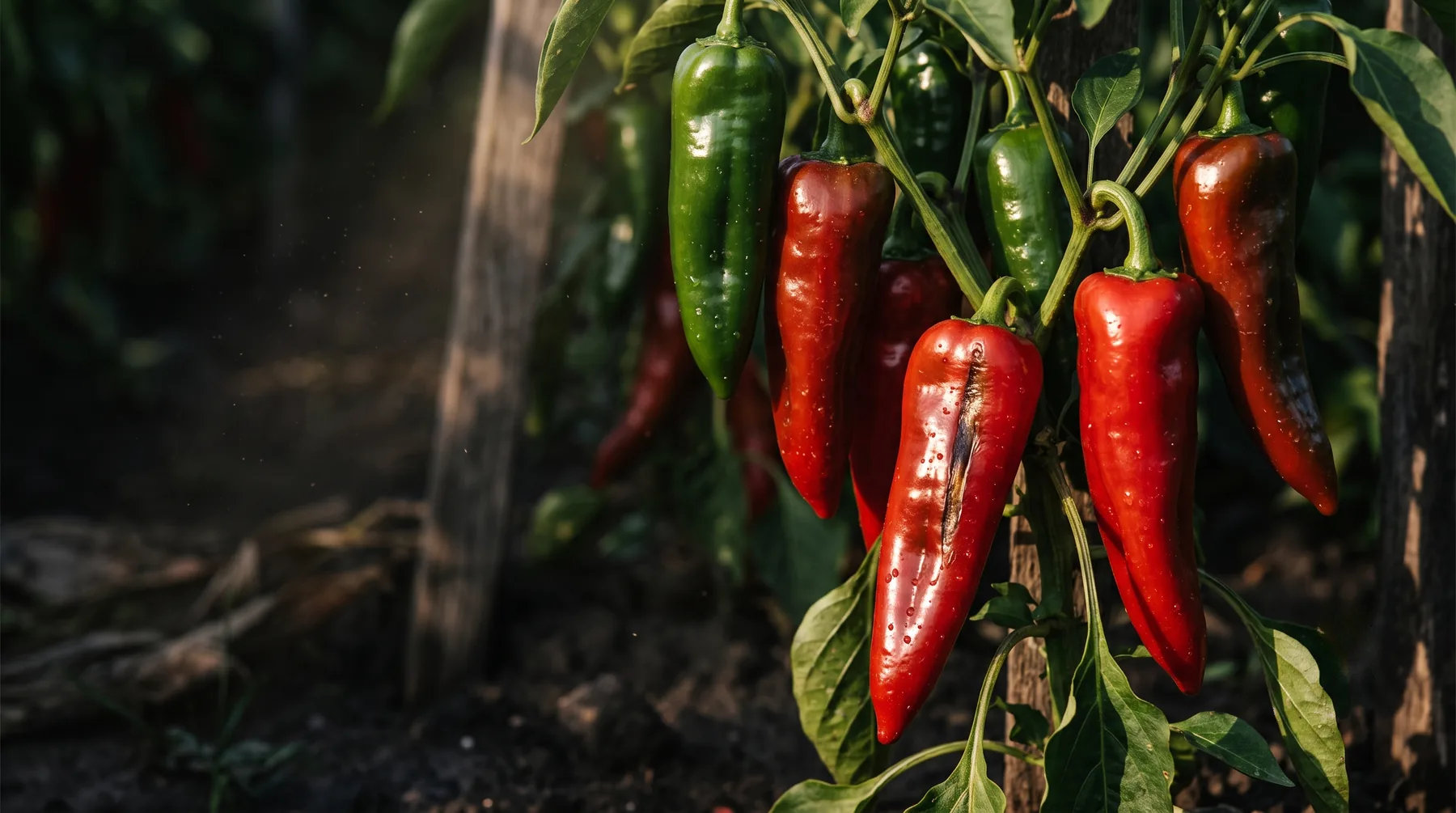
This version is built on two pepper plants the planner already grows. Cayenne, dried at 125 °F until the pods snap, brings the heat and the dried-chile depth. A roasted Marconi brings sweetness and body, so the paste isn’t just heat.
What you need
| Ingredient | Amount |
|---|---|
| Dried cayenne, stemmed | 2 oz (about 60 pods) |
| Marconi peppers, fully red | 2 large (about 1 lb) |
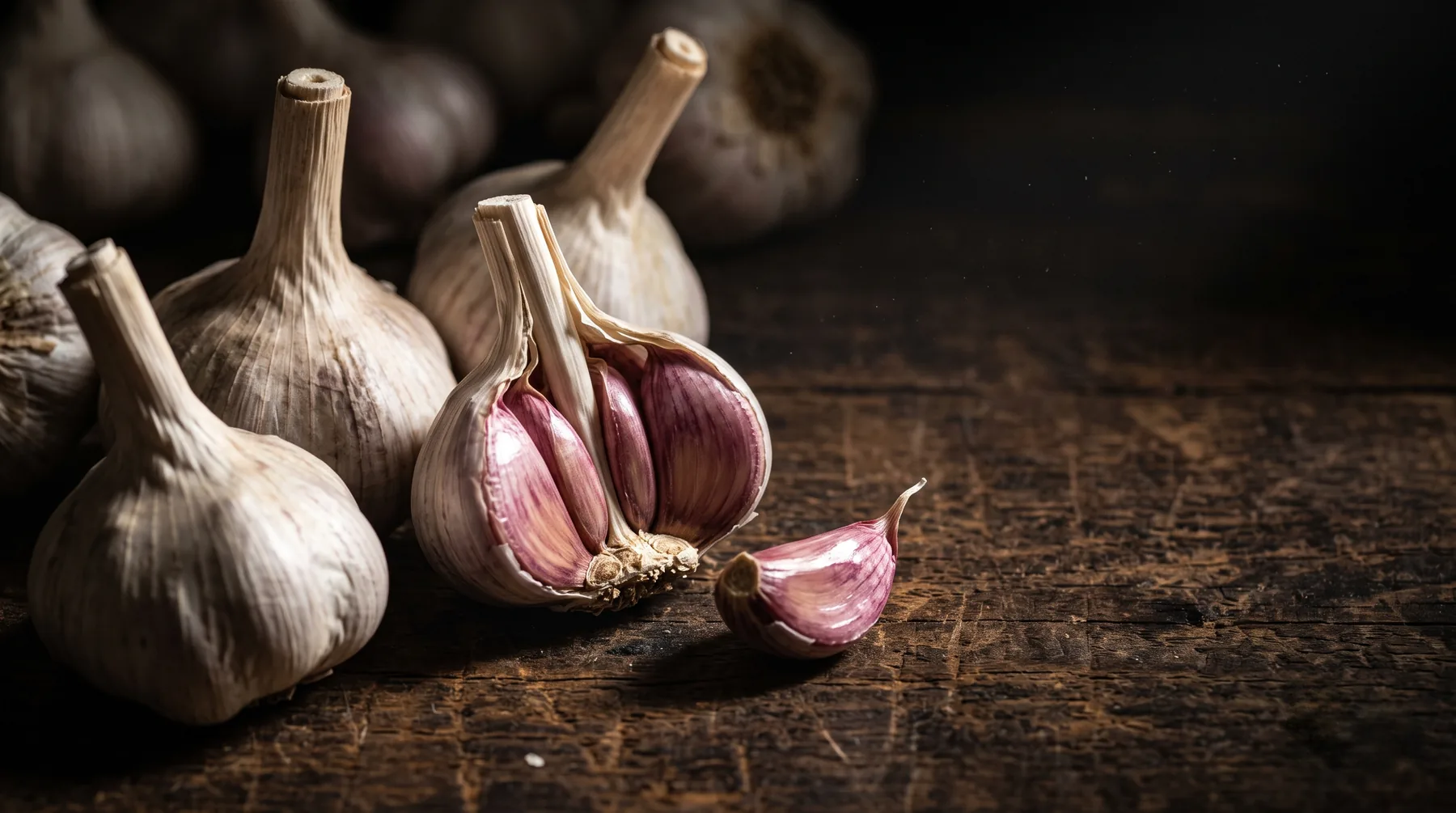
| Garlic | 6 cloves |
| Coriander seed | 2 tsp |
| Cumin seed | 2 tsp |
| Caraway seed | 1½ tsp |
| Smoked paprika (optional) | 1 tsp |
| Lemon juice | 2 tbsp |
| Salt | 1½ tsp |
| Extra-virgin olive oil | 1/2 cup, plus more to cover |
Method
- Gloves on. Dried cayenne dust is worse than the fresh pods.
- Soak the cayenne. Cover the stemmed pods with just-boiled water and weigh them down. Leave 30 minutes, until they’re pliable. Drain, keeping 1/4 cup of the soaking water. Seed some or all of the pods if you want less heat.
- Roast the Marconi directly over a gas flame or under the broiler until they’re black all over. Steam in a covered bowl for 10 minutes, then peel and seed.
- Toast the whole spices (coriander, cumin, caraway) in a dry pan for about a minute until fragrant. Grind them fine.
- Blend the soaked cayenne, roasted Marconi, garlic, ground spices, paprika, salt and lemon juice. With the motor running, stream in the oil. Add soaking water a spoonful at a time only if the blades stall. You want a thick paste, not a sauce.
- Rest it an hour for the spices to bloom. Taste and adjust the salt.
- Jar it and pour a film of olive oil over the surface. Refrigerate.
Why dried cayenne
Cayenne has thin walls, so it dries faster and more evenly than any other chile on this site. A single plant’s season of about 1.8 lb fresh dries down to roughly 3 oz. Two ounces of that is this whole jar, and the rest becomes flakes. The drying method, and why humid climates need a dehydrator instead of sun-drying, is on the cayenne grow file.
Storage
- Refrigerator: up to one week, under a film of oil, always with a clean spoon.
- Freezer: freeze in an ice-cube tray, then bag the cubes. Keeps up to a year.
- Canning: no. It’s a dense, low-acid paste with raw garlic in oil.
The kit for this sauce
Each item is selected for a job in this recipe. Amazon listings, sellers, and prices can change; check the current details before you buy.
Organic Cayenne (Long Slim) Seed
The long, thin, wall-thin cayenne that dries in a week and grinds to a clean red powder. If you want flakes and powder as well as sauce, this is the plant that does both.
Marconi Red Sweet Pepper Seed
A long Italian sweet pepper that roasts and peels far better than a bell. Romesco and any red-pepper paste wants this, not a supermarket bell.
Siberian Hardneck Seed Garlic, 1 lb
Planted in October, pulled in July. Hardneck garlic has bigger, easier-peeling cloves and gives you scapes in June — a free second crop that is itself excellent in green sauce.
Nitrile Exam Gloves, 200 pcs, food-safeMust have
Capsaicin is oil-soluble and does not wash off with soap. Seeding a pound of habaneros bare-handed means eight hours of burning hands and one unforgettable mistake involving your own eye.
Digital Kitchen Scale, 11 lb, g/ozMust have
Fermentation brine is a percentage of weight, not a number of spoons. Without a gram scale you are not following a fermentation recipe — you are guessing at the one number that determines whether it is safe.
Food Dehydrator, 6 Stainless Trays
Sun-drying chiles works in Oaxaca and fails in Ohio — humidity lets mould win the race. Controlled 125 °F airflow dries a full cayenne harvest overnight, every time.
One-Touch Coffee & Spice Grinder
Dried cayenne into powder in fifteen seconds. Dedicate one to chiles — grind coffee in it afterwards and you will find out exactly how well capsaicin sticks to plastic.
5200 Professional-Grade Blender, 64 oz
The difference between a hot sauce that is smooth and one that is smooth-ish is blade tip speed. A Vitamix emulsifies chile skin into the sauce so completely you do not need to strain it.
Half Pint (8 oz) Regular Mouth Mason Jars, 12Must have
Eight ounces is the right jar for a sauce you use by the spoonful. Open a quart of hot sauce and you are racing the fridge; open a half-pint and you finish it while it is still good.
Canning Jar Labels, 360 pcs, removable
Date every jar. In March, three jars of red sauce are indistinguishable, and 'it's probably the one from August' is not a food-safety practice.
Paid links. We earn a commission from Amazon if you buy; you pay the same. Disclosure.
Questions people actually ask
Can I make it with fresh cayenne instead of dried?
You'd have a fresh red chile paste, which is a good thing but not harissa. Drying concentrates the chile and adds the slightly raisiny, leathery depth that defines the paste. It's also how the recipe uses up the cayenne you dried in September.
Why only a week in the fridge?
Raw garlic under oil is the textbook home botulism hazard. The oil seals out air and the garlic is low-acid. Refrigeration slows the risk but doesn't remove it. Freeze anything you won't use in a week. It thaws perfectly, and an ice-cube tray gives you portions of about 2 tablespoons.
It's too hot. What do I change?
Swap some dried cayenne for more roasted Marconi, gram for gram. Or seed the dried cayenne after soaking, since most of the burn lives in the ribs and seeds. Either way you keep the flavour and lose the heat.
Rose harissa, preserved lemon, tomato paste?
All legitimate regional variations. A teaspoon of dried rose petals gives you the Moroccan rose version. Preserved lemon in place of fresh is very good. Tomato paste adds body if your Marconi was small. None of them changes the storage rule.
Last reviewed 2026-10-17 by the SeedsToSauce Test Kitchen. Spotted something wrong?Tell us — corrections get published.