Guide · starting
Seed starting: soil temperature and light intensity, not luck
Two numbers decide whether your seedlings are stocky and green or leggy and doomed — soil temperature at germination, and light distance afterward. Everything else is detail.
Seed starting has a long list of things people worry about and two things that actually decide the outcome.
Number one: soil temperature at germination
Not air temperature. Soil temperature.
| Crop | Germination soil temp | Days at that temp |
|---|---|---|
| Tomato | 75–85 °F | 5–10 |
| Sweet pepper | 75–85 °F | 7–14 |
| Jalapeño / serrano / cayenne (C. annuum) | 75–85 °F | 7–14 |
| Habanero (C. chinense) | 80–90 °F | 14–28 |
| Tomatillo | 75–85 °F | 7–14 |
| Basil | 70–80 °F | 5–10 |
| Onion | 65–75 °F | 7–14 |
| Carrot | 55–75 °F | 14–21 |
| Cilantro | 60–70 °F | 7–14 |
That habanero row is why people give up on superhots. At 68 °F — a perfectly normal room — germination goes from three weeks to essentially never, and a meaningful share of the seed rots waiting. A heat mat with a soil probe is the difference. A bare mat with no thermostat runs hot and cooks the seed instead.
Turn the mat off at emergence. Bottom heat after germination drives stretch.
Number two: light intensity and distance
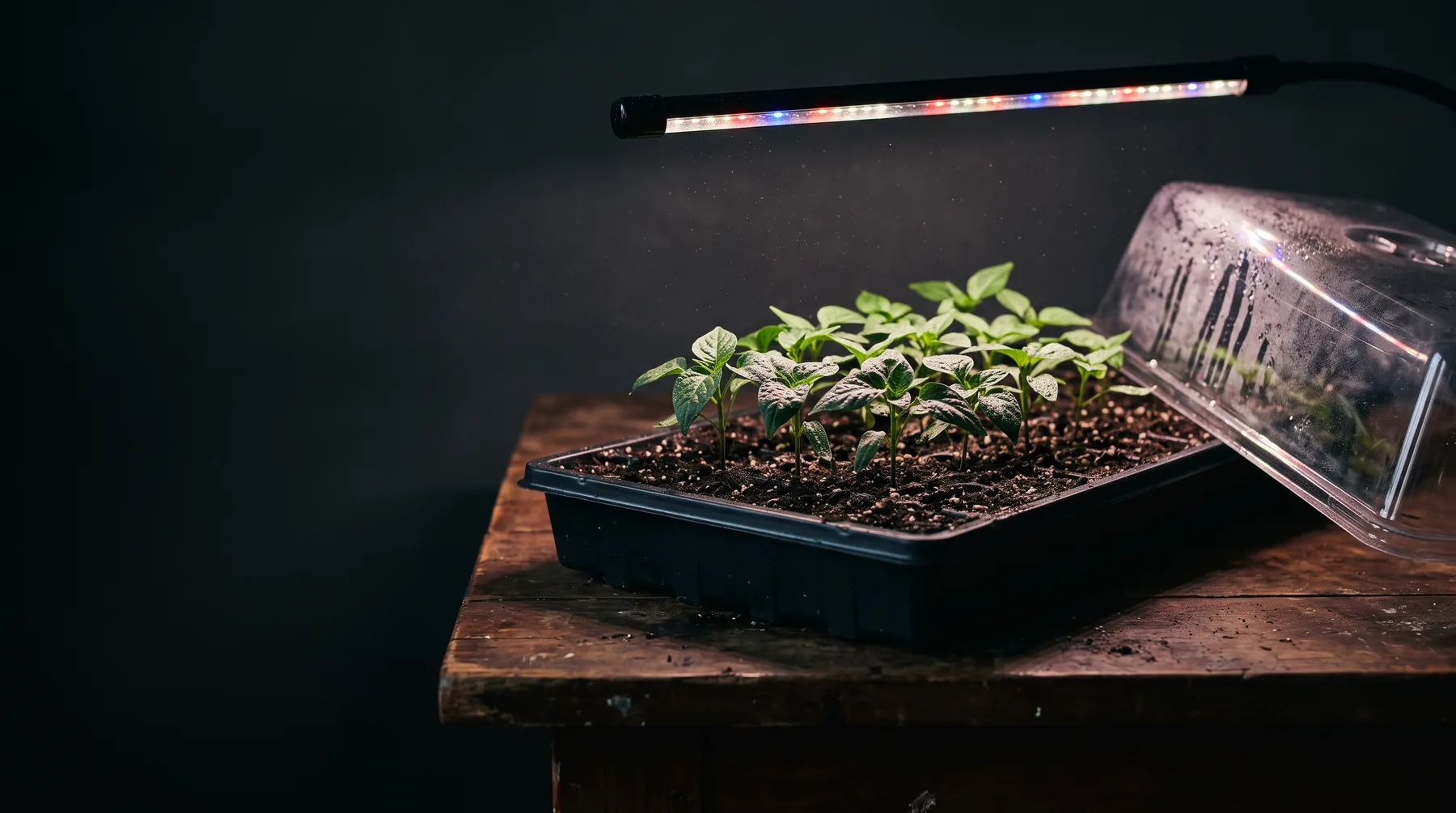
A seedling that has enough light is short, thick-stemmed and dark green. One that does not is tall, thin, pale, and leaning. That stretch is called etiolation and it is not recoverable in peppers.
The rule is unglamorous:
- 2–3 inches between the LED and the top of the canopy. Not a foot. Not “above the shelf.”
- 14–16 hours a day on a timer.
- Raise the light as the plants grow, keeping the same gap.
Light intensity falls off with the square of distance. Moving a light from 3 inches to 12 inches does not cut the light by four — it cuts it by roughly sixteen. That single number explains most leggy seedlings.
Plants do also need dark. Twenty-four-hour light is worse, not better.
The sequence
Weeks −12 to −6 (by crop): sow. Fill cells with pre-moistened seed-starting mix — not potting soil, which is too rich and too coarse. Sow at roughly twice the seed’s diameter deep. Label everything; six pepper seedlings are identical for eleven weeks.
Germination: dome on, mat on, no light needed. Seeds do not need light to germinate. They need moisture and heat.
Emergence: dome off, mat off, lights on. Same day. This is the single most commonly mistimed moment in seed starting. Standing humidity after emergence is damping-off; bottom heat after emergence is stretch.
True leaves: start feeding. Seed-starting mix is deliberately low in nutrients and a seed carries its own supply until true leaves. From then, half-strength fish emulsion weekly.
Two true leaf sets: pot up. Move from a 72-cell to a 3–4 inch pot. Peppers and tomatoes will otherwise be root-bound weeks before transplant, and a root-bound start never fully catches up.
Airflow, throughout. A small fan for a few hours a day does two useful things: it suppresses damping-off, and mechanical stress thickens stems measurably.
Hardening off is not optional
Seven to ten days of increasing outdoor exposure before transplant. Start with an hour in shade and build to a full day in sun and wind.
Skipping this is the most common way a healthy indoor start dies in its first week outside. Indoor seedlings have thin cuticles and no wind conditioning; a single sunny, breezy afternoon will scorch and desiccate them.
Damping-off
Seedlings collapse at the soil line and die within hours. It is a soil-borne fungal complex, and it is a management problem, not bad luck:
- Fresh, sterile seed-starting mix — never reused garden soil.
- Bottom-water; do not soak the surface.
- Dome off at emergence.
- Fan running.
- Do not crowd cells.
Once a seedling has fallen it is gone. Everything above is about protecting the rest of the tray.
Related crops
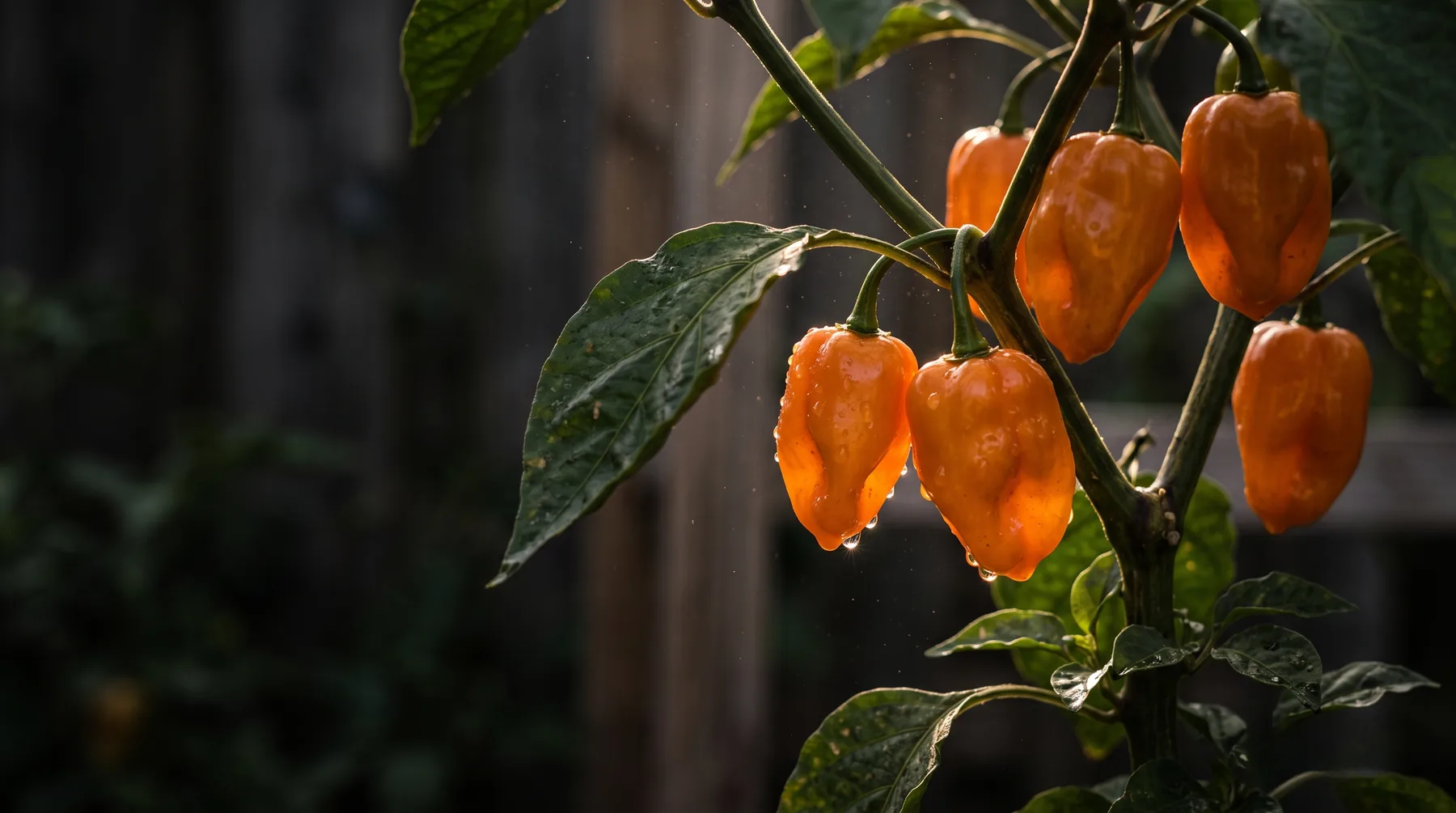 HabaneroOrange Habanero (Capsicum chinense)95 days from transplant
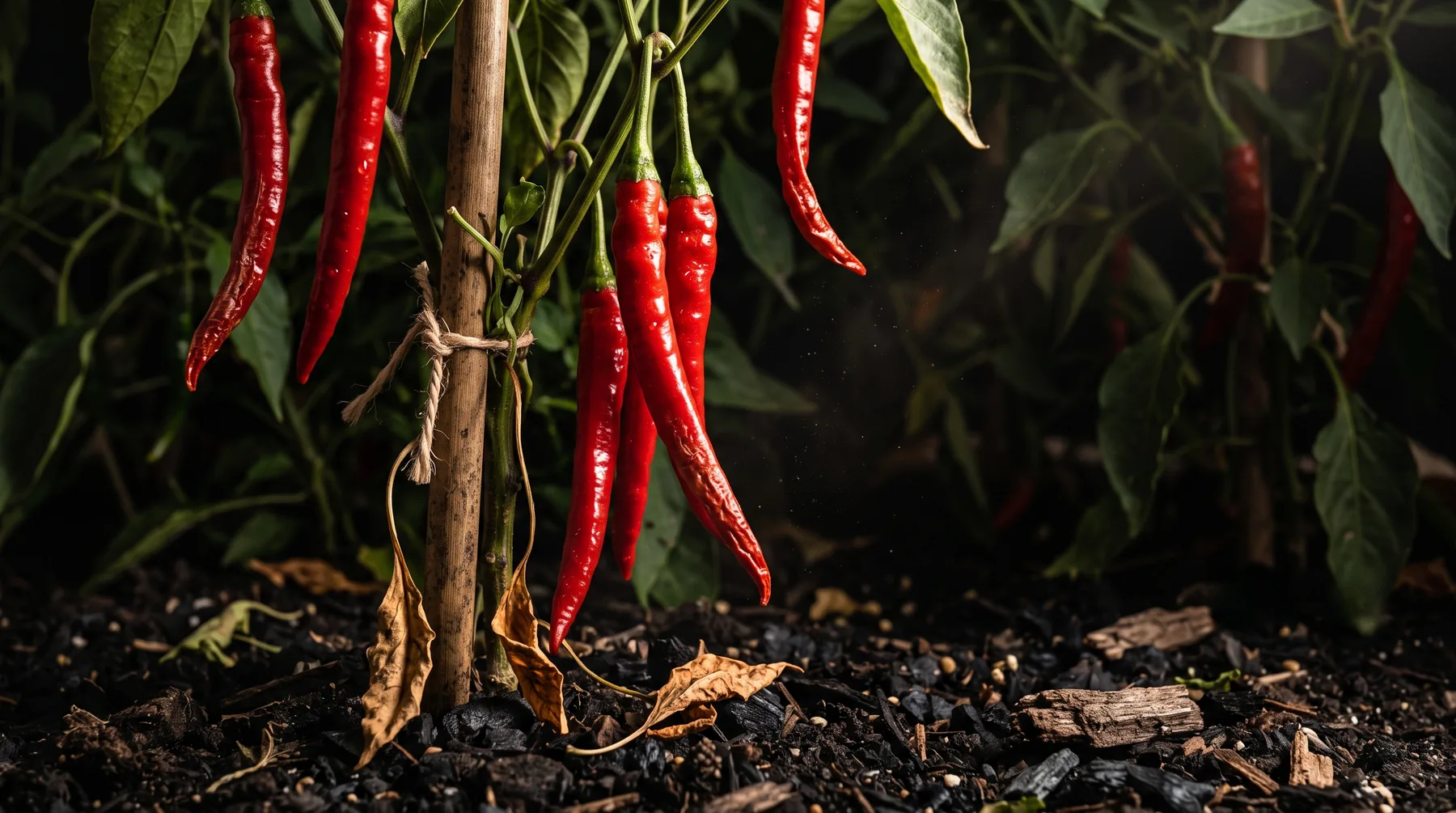 CayenneLong Slim Cayenne (Capsicum annuum)75 days from transplant
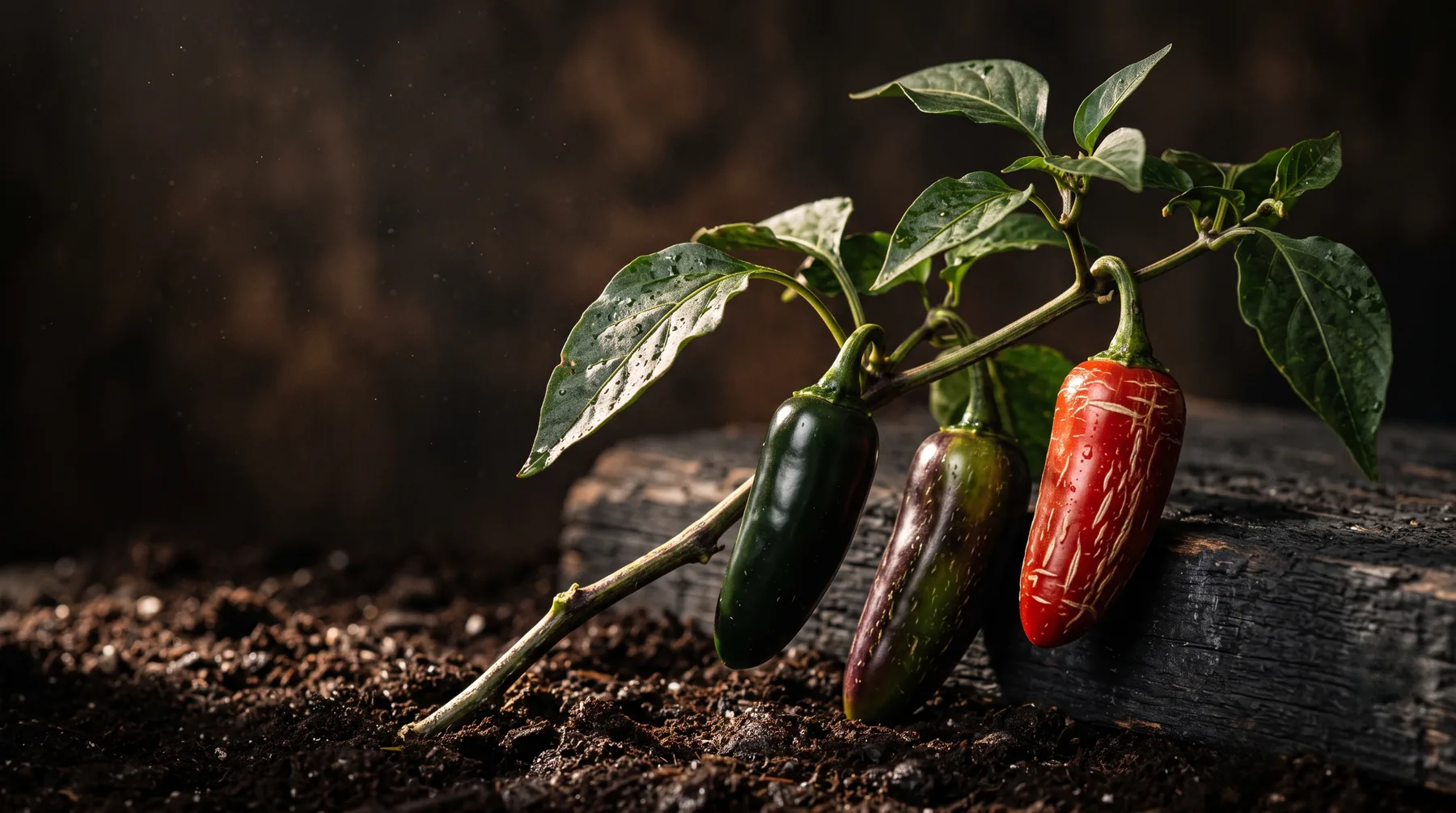 JalapeñoEarly Jalapeño (Capsicum annuum)75 days from transplant
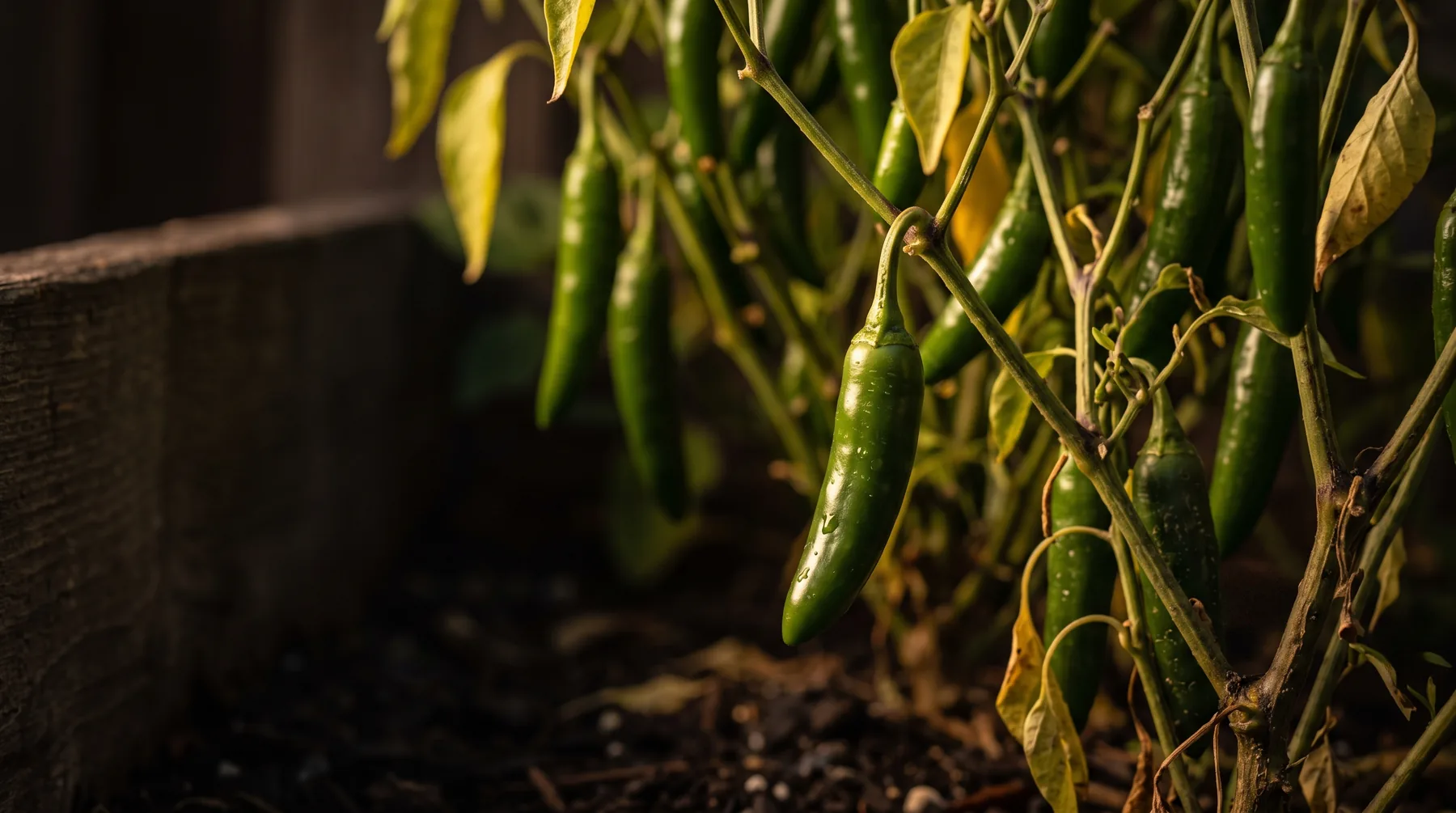 SerranoSerrano Tampiqueño (Capsicum annuum)80 days from transplant
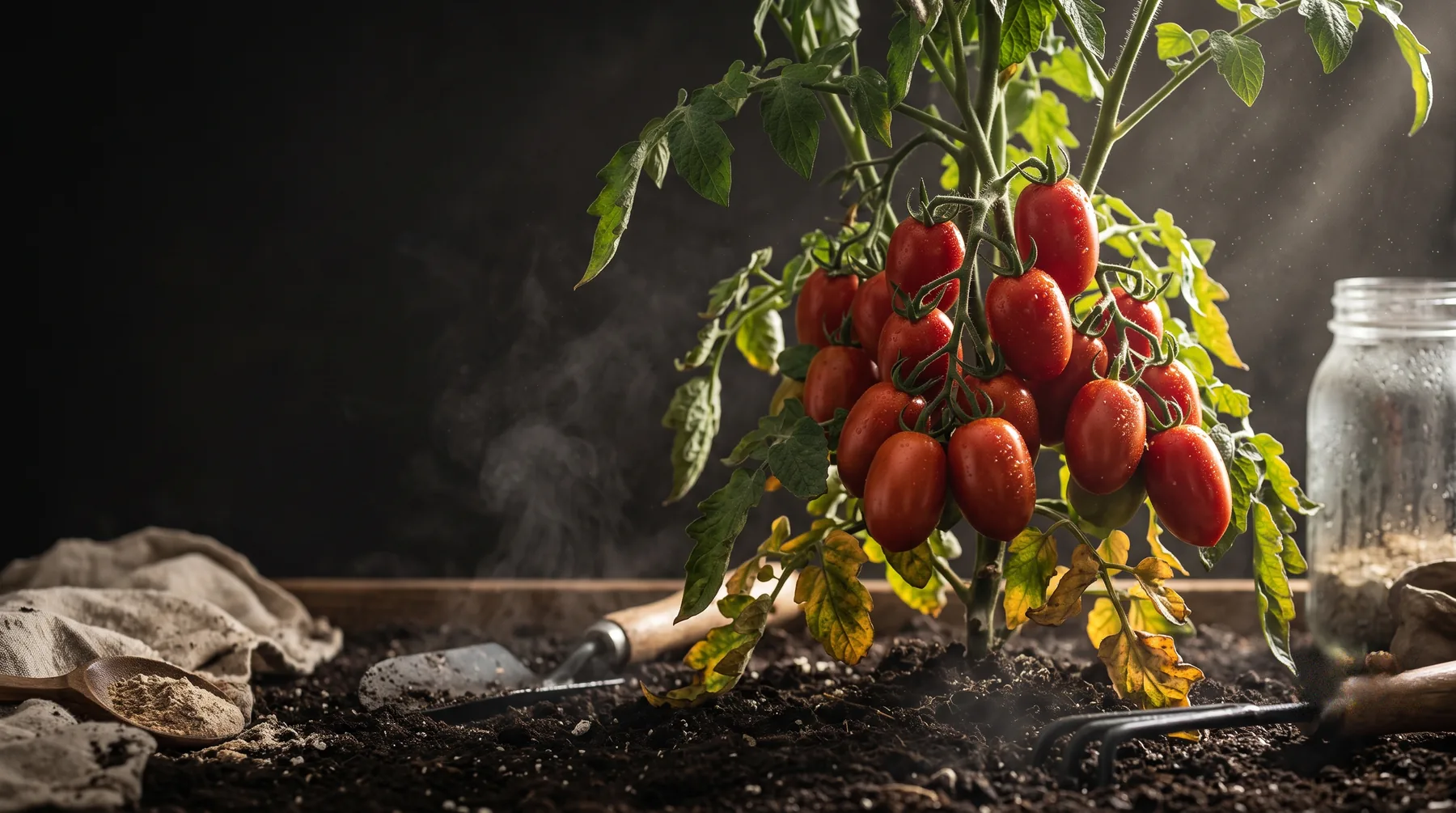 Roma TomatoRoma VF (determinate paste)75 days from transplant
Related sauces
Sources
Every food-safety number on this page traces to one of these. If you are going to trust one link on this site, trust these over us.
The gear this guide assumes
Seedling Heat Mat + Digital ThermostatMust have
Peppers germinate on soil temperature, not air temperature. At 65 °F a habanero takes a month and half of them rot; at 85 °F it is up in eight days. The thermostat is the half that matters.
T8 Full-Spectrum Grow Lights, 1 ft 4-packMust have
A south window in March delivers a fraction of the light a pepper seedling needs, and the plant tells you by stretching. Two inches of LED above the canopy for 16 hours a day fixes it permanently.
72-Cell Trays with 1020 Bottoms, 5-PackMust have
The cheap black nursery trays crack after one season and flex enough to break roots when you lift them. These do not. Over five seasons the price per use is lower than the throwaways.
7" Vented Humidity Domes, 5-Pack
A dome is the difference between checking moisture twice a day and checking it twice a week. The 7-inch height matters: a 2-inch dome is useless the moment a pepper puts up true leaves.
Organic Seed Starter Potting MixMust have
Seed-starting mix is not potting soil with a nicer label — it is finer, lighter, and low in nutrients on purpose, because a seedling's first roots want air and moisture, not fertiliser.
2-Inch Soil Blocker, 4-Cell
Soil blocks air-prune roots instead of spiralling them around a cell wall, so a blocked seedling transplants without the check that costs a potted one a week of growth.
Fish Emulsion Liquid Fertilizer
Seed-starting mix runs out of nitrogen about two weeks after true leaves. Half-strength fish emulsion weekly from that point is the whole feeding programme until transplant.
T-Type Plant Labels, 200 pcs + Marker
Six pepper seedlings look identical for eleven weeks. Ask anyone who has planted a habanero where the Marconi should have gone.
Paid links. We earn a commission from Amazon if you buy; you pay the same. Disclosure.
Questions people actually ask
My seedlings are tall, pale and floppy. Can I save them?
Partly, and only by acting immediately. Drop the lights to 2–3 inches, extend to 16 hours, turn the heat mat off, and run a fan for a few hours a day — mechanical stress genuinely thickens stems. Tomatoes can be buried deeper at transplant and will root along the stem; peppers cannot, so a badly stretched pepper stays weak all season.
A south window isn't enough?
Almost never in February or March. A bright south window delivers on the order of a tenth of what a plant gets outdoors in summer, and it comes from one direction, so the seedling stretches toward it. Two inches of LED for 16 hours a day is not a luxury for winter starts.
Nothing germinated after three weeks.
Check soil temperature first, before anything else. Capsicum chinense — habanero and hotter — is genuinely temperature-gated and can take 28 days at 85 °F and effectively never at 68 °F. A heat mat with a soil probe is the fix. Second most likely cause is old seed; pepper seed loses viability noticeably after two to three years.
Seedlings fell over at the soil line and died.
Damping-off, a soil-borne fungal complex. Overwatering and stagnant air are the causes. Remove the dome at emergence, water from the bottom, run a small fan, and use fresh sterile seed-starting mix rather than reused garden soil. Once a seedling has fallen it is gone; the goal is protecting the rest of the tray.
Last reviewed 2026-09-01 by the SeedsToSauce Test Kitchen.Corrections welcome.