
Guide · fermenting
Choose a Fermentation Weight and Vessel by Batch Size
Choose a jar, airlock, and weight that leave room for the produce and brine. A quart suits a small trial; larger batches need a measured fit check.
A quart jar lets you try a small batch of cayenne. A larger harvest of habaneros and carrots needs more room for produce, brine, a weight, and gas above the liquid. Choose the vessel after you know what the packed batch occupies, not from the raw weight alone.
The governing rule is submersion. NCHFP’s container and weight guidance says to keep fermenting vegetables under brine and gives clean weights and brine-filled bags as options. University of Minnesota Extension’s fermentation guide also calls for room above the brine and an airlock system for mason jars.
Choose the vessel by the filled batch
| Batch in hand | Vessel to try | Weight and cover | Check before fermenting |
|---|---|---|---|
| Small trial that fits a quart jar | Wide-mouth quart mason jar | Jar-size glass weight and matching airlock lid | Produce stays under brine, with space above the liquid |
| More than fits a quart | Wide-mouth half-gallon jar, or separate quart jars | A fitting weight and airlock for each jar | Each jar has its own brine cover and headspace |
| A larger harvest | One-gallon glass fermenting jar | A weight that fits the opening and the jar’s airlock | Packed contents, brine, and weight fit without crowding the lid |
| More than fits a gallon | Split the batch between vessels | A separate weight and cover for each vessel | Do the same fill check in every vessel |
These are vessel choices, not guaranteed pound capacities. NCHFP gives one gallon per 5 lb of fresh vegetables as a sizing reference for its cabbage and cucumber ferments. Cut size, produce shape, brine volume, and the weight all change the fill level for a sauce batch.
Pack the vegetables and the recipe’s brine, then set the weight in place. University of Minnesota Extension calls for 1–2 inches of brine above the produce and, for a large container or crock, 4–5 inches of headspace (about 75% full). If that cannot fit, split the batch or use a larger vessel. Do not squeeze a second batch into the space reserved above the brine. Follow the salt amount and method in a research-based recipe; changing vessel size does not authorize changing its ingredient ratios.
Match the weight to the opening
Wide-mouth mason jar. The listed mason jar fermentation kit includes airlock lids and weights for wide-mouth jars. The separate four-pack of glass weights is also sized for wide-mouth jars. A weight can hold the main mass down while small pepper pieces escape at the edge, so check the entire surface for exposed solids.
Gallon jar. The listed gallon glass fermenter comes with a twin-bubble airlock, but the registry does not establish that a wide-mouth mason jar weight fits its opening. Measure before pairing them. NCHFP describes a clean plastic bag of salt water as a weight for a larger fermenting container; University of Minnesota Extension also recommends a brine-filled bag over a plate or tray. Use a clean, food-grade bag that covers the produce, seal it, and keep the bag’s contents at the recipe’s brine strength so a leak will not dilute the batch. Check that it cannot obstruct the lid or airlock.
Glass and food-grade plastic are both suitable vessel materials in NCHFP guidance. Inspect for cracks, wash the vessel and weights in hot soapy water, and rinse well with very hot water before filling. Do not use reactive metal containers or non-food-grade plastic in contact with the ferment.
Airlock and monitoring
An airlock lets fermentation gas escape while limiting incoming air. Fit it according to the maker’s instructions; a liquid-filled airlock needs its specified fill level maintained. A silicone airlock lid does not need a water reservoir. Either way, keep the produce submerged and check the brine line. Visible bubbles show activity, but they do not establish that a batch is finished or safe.
University of Minnesota Extension recommends monitoring pH during fermentation and says a ferment is ready when it reaches pH 4.60 or lower and bubbling has stopped. If bubbling stops while pH remains above 4.60, its guidance is to continue fermenting and recheck every 1–2 days. Use a calibrated pH meter when a precise reading matters. The fermentation salt and safety guide covers salt measurement and the limits of pH as a preservation check. These vessel choices do not turn an untested hot sauce into a shelf-stable canned product; the site’s fermented habanero-carrot sauce and Louisiana-style cayenne sauce are refrigerated recipes.
Related crops
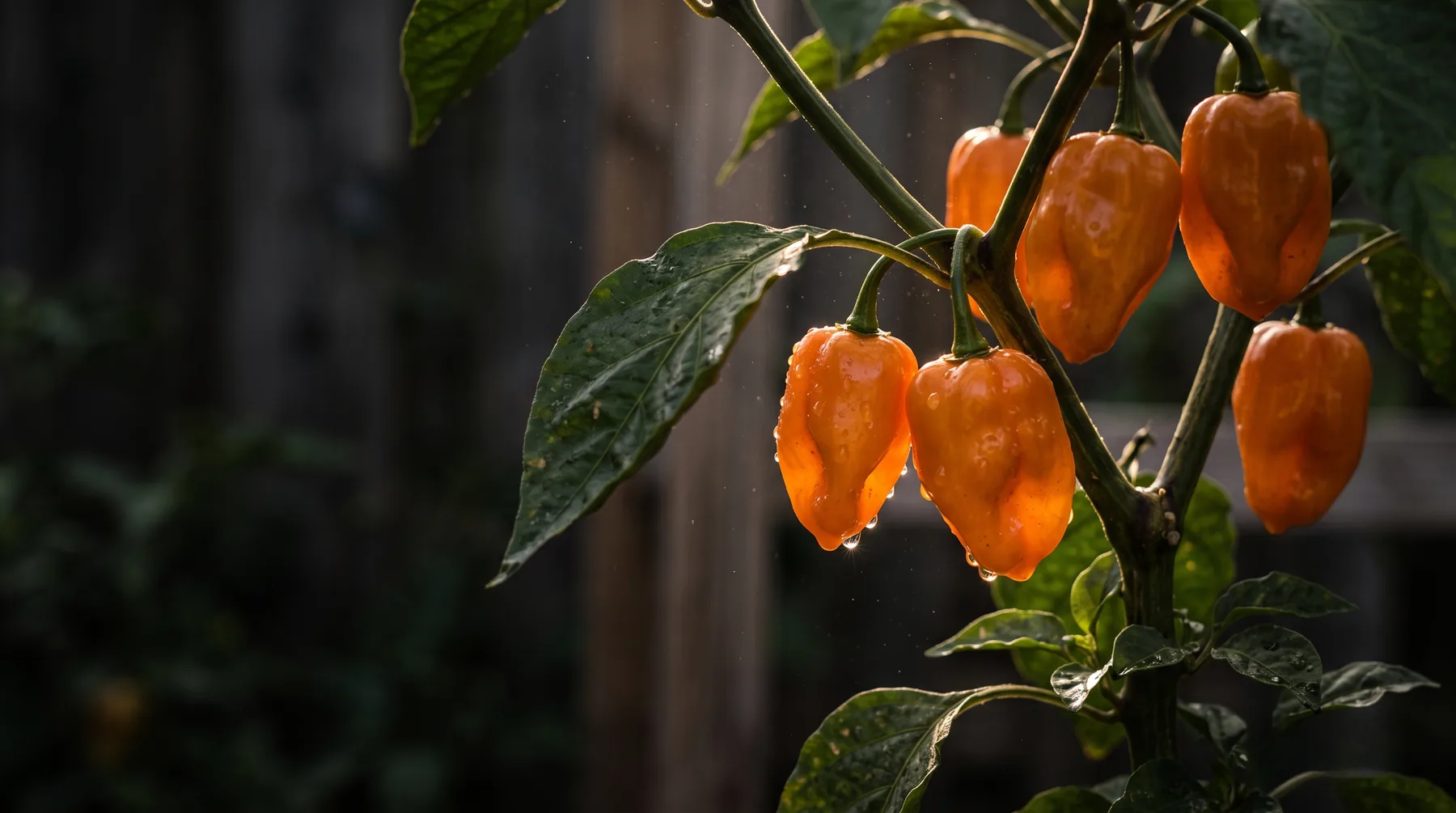 HabaneroOrange Habanero (Capsicum chinense)95 days from transplant
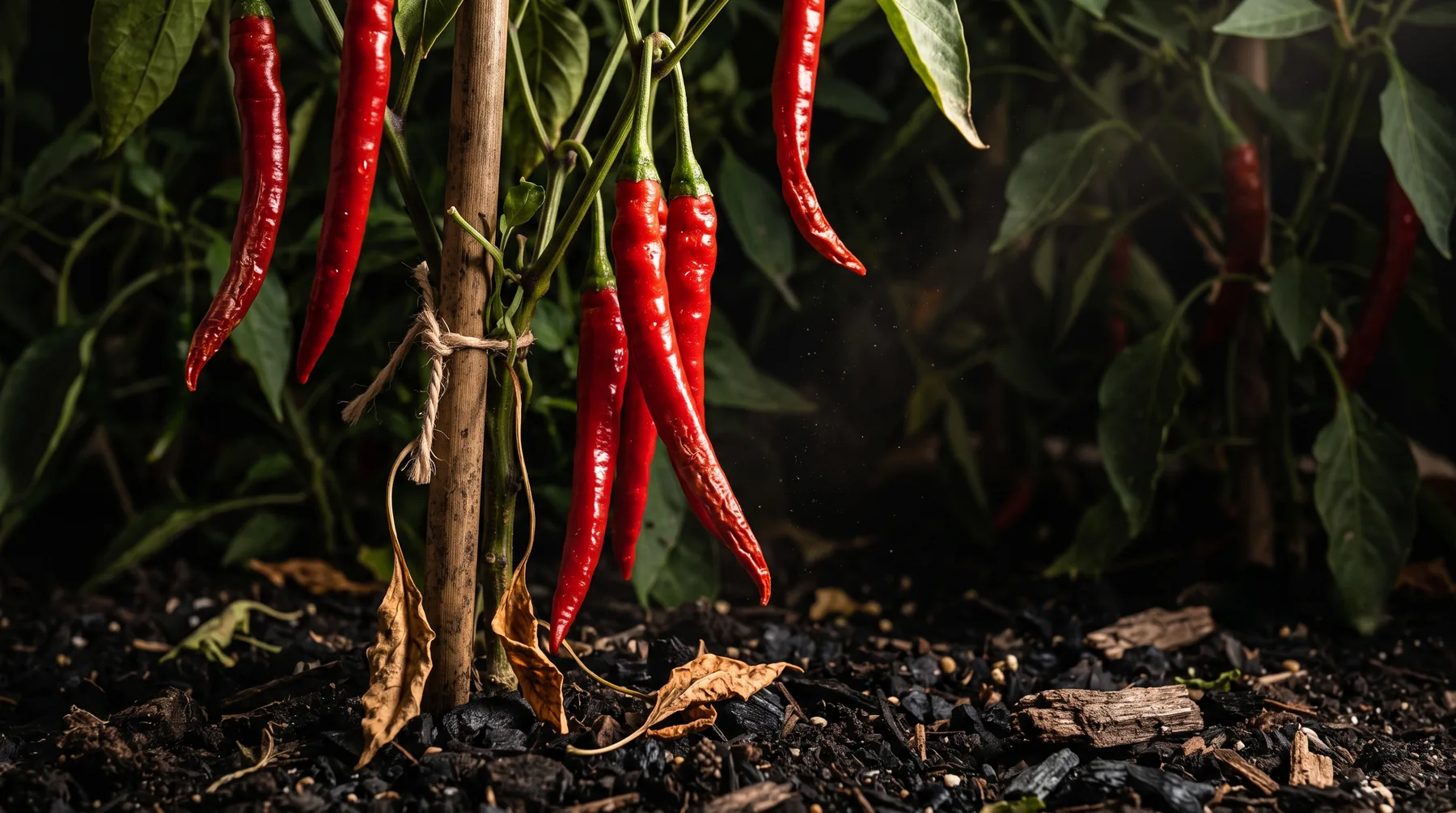 CayenneLong Slim Cayenne (Capsicum annuum)75 days from transplant
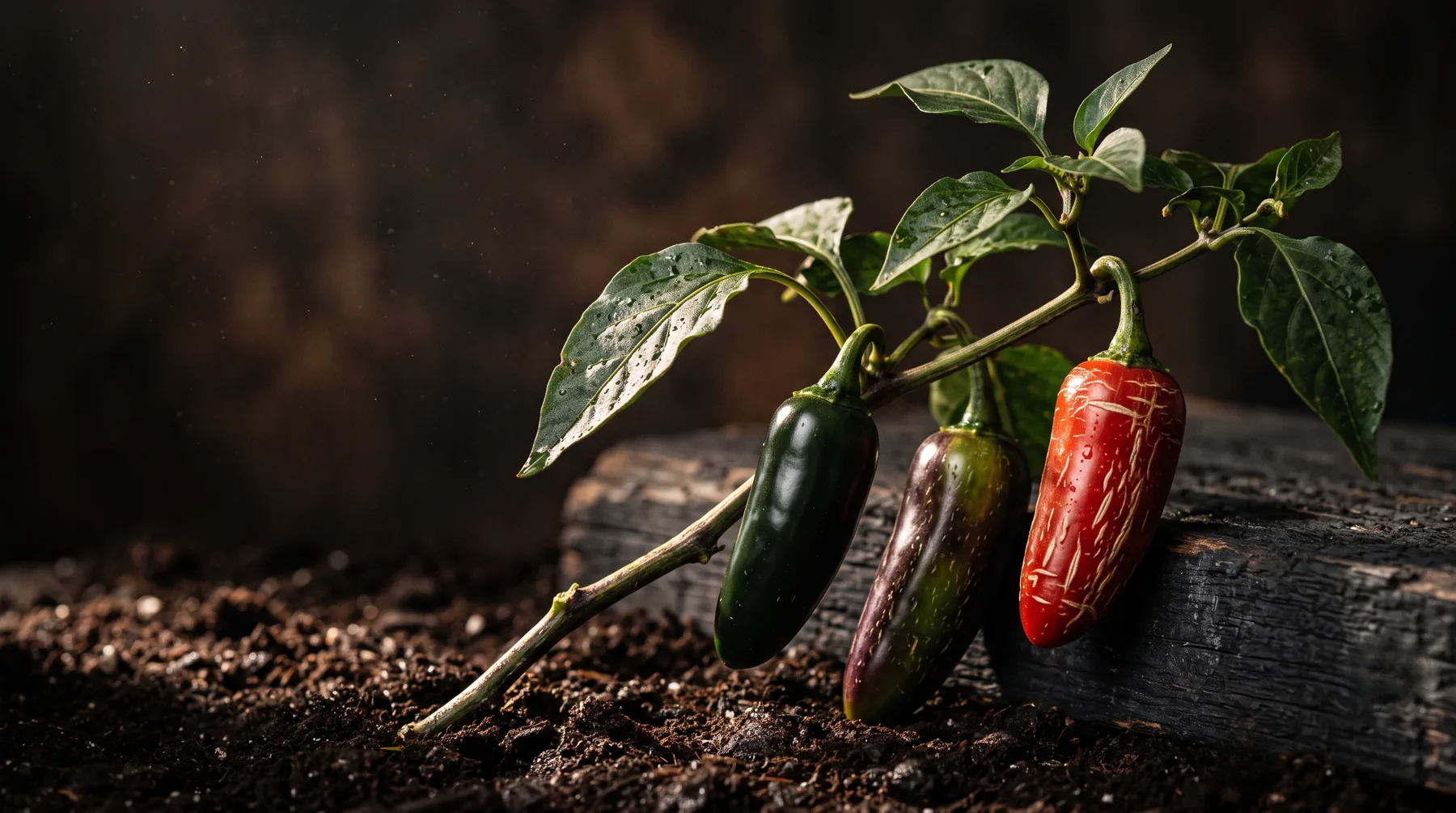 JalapeñoEarly Jalapeño (Capsicum annuum)75 days from transplant
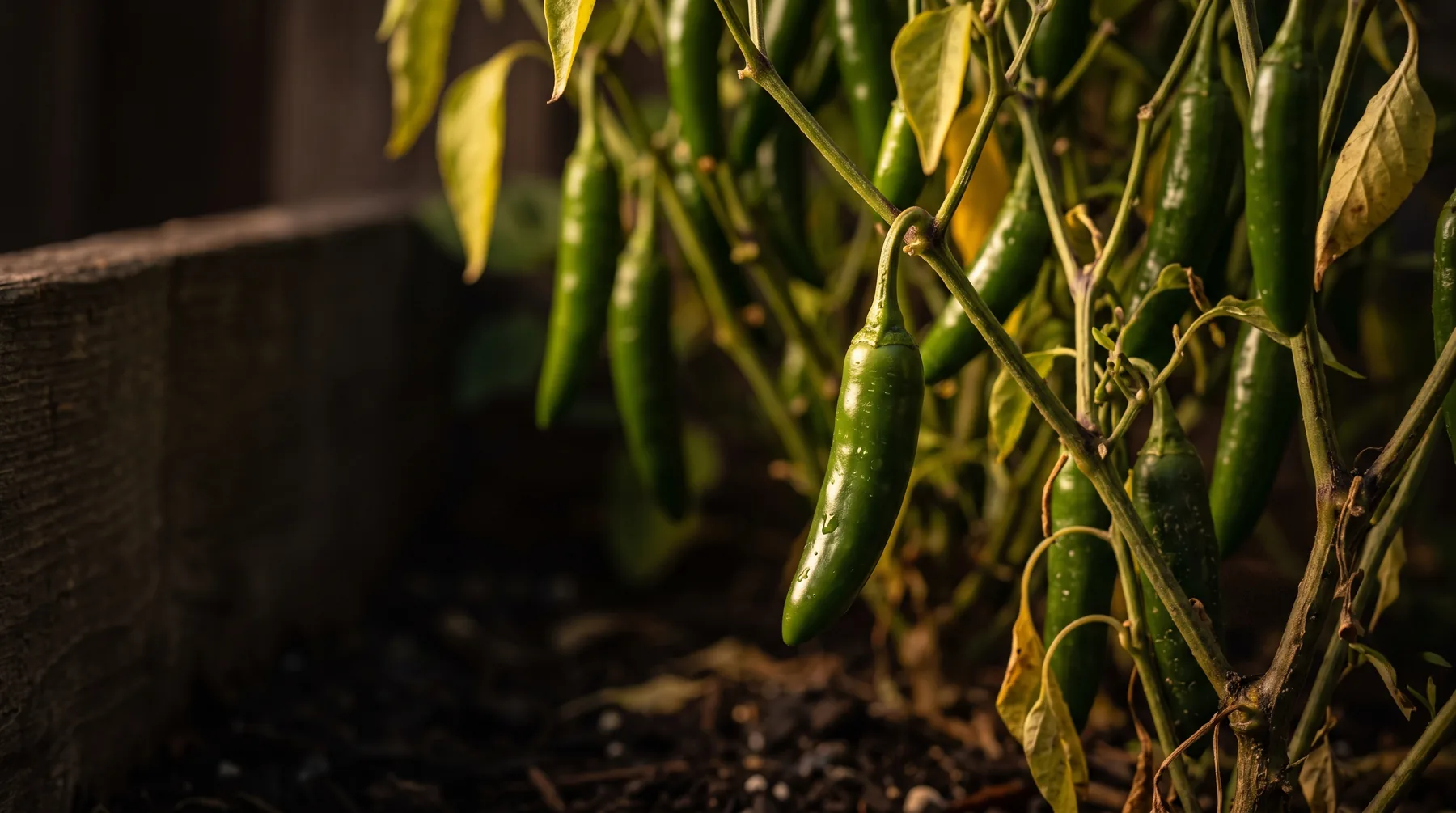 SerranoSerrano Tampiqueño (Capsicum annuum)80 days from transplant
 Nantes CarrotScarlet Nantes70 days from sow
Related sauces
Sources
Every food-safety number on this page traces to one of these. If you are going to trust one link on this site, trust these over us.
The gear this guide assumes
Digital Kitchen Scale, 11 lb, g/ozMust have
Fermentation brine is a percentage of weight, measured in grams rather than spoons. Without a gram scale you are guessing at the one number that determines whether the ferment is safe.
Complete Mason Jar Fermentation KitMust have
Fermentation is anaerobic. An airlock lets CO₂ out without letting oxygen in, which is the entire difference between a clean lacto-ferment and a jar of kahm yeast and mould.
Glass Fermentation Weights, 4-PackMust have
Anything floating above the brine will mould. A glass weight holds the chile mash under the surface for three weeks without you touching it, which is the whole job.
1-Gallon Fermenting Jar with Twin-Bubble Airlock
Ten pounds of habaneros does not fit in a quart jar. A gallon vessel is what a real hot-sauce batch needs, and glass lets you watch the ferment instead of guessing.
Canning & Pickling Salt, 4 lb ×4Must have
Table salt carries iodine and anti-caking agents. Iodine suppresses the lactobacillus you are trying to cultivate and the anti-caking agent turns your brine cloudy grey.
AI311 PH60 Waterproof Pocket pH TesterMust have
The 4.6 line is the number below which Clostridium botulinum cannot grow, and it is a hard limit rather than a guideline. Strips get you to half a pH point. This gets you to ±0.1, and for anything you intend to keep, that difference is the whole ballgame.
Paid links. We earn a commission from Amazon if you buy; you pay the same. Disclosure.
Questions people actually ask
Can I use a regular mason jar lid instead of an airlock?
A plain lid can trap carbon dioxide and may need brief venting. University of Minnesota Extension advises an airlock system for mason jars; follow the airlock maker's instructions. Do not seal a ferment in a jar with no way to release gas.
What if pieces float around the weight?
Choose a weight that covers the produce well, then check that the brine still covers every piece. If pieces remain exposed, repack or move the batch to a better-fitting vessel. A weight is useful only when it keeps the food submerged.
Can I ferment in plastic?
Yes, if the container and anything touching the food are food-grade. NCHFP lists food-grade plastic and glass as suitable fermentation containers. Wash and inspect the vessel before use; never use a garbage bag or trash liner as a food-contact weight.
Will a wide-mouth mason jar weight fit the gallon jar?
Do not assume it will. The listed glass weights are sized for wide-mouth mason jars, while the gallon vessel has a different opening. Check the opening and weight dimensions before buying; a clean, food-grade bag filled with brine is another weight option when it fits the vessel.
Does a larger vessel make fermentation finish faster?
Vessel volume does not set a reliable finish date. Follow a research-based recipe, keep the produce submerged, and monitor acidity. University of Minnesota Extension advises checking pH during fermentation rather than judging completion by jar size or appearance.
Last reviewed 2026-10-29 by the SeedsToSauce Test Kitchen. Corrections welcome.