Guide · growing
Container and bed soil: how much you actually need, and what to feed
The volume arithmetic nobody does before checkout, why a 5-gallon pepper pot dries out in a day in July, and the NPK ratio that decides whether you get fruit or foliage.
Two questions get skipped and both cost real money and a season.
How much soil, exactly
Gallons → cubic feet: multiply by 0.1337. Cubic feet → bags: divide by the bag size, usually 1.5 ft³.
| Setup | Volume | Bags of 1.5 ft³ mix |
|---|---|---|
| One 5-gal pepper pot | 0.67 ft³ | 0.5 |
| Seven 5-gal pots | 4.7 ft³ | 4 |
| One 10-gal tomato bag | 1.34 ft³ | 1 |
| Four 10-gal tomato bags | 5.3 ft³ | 4 |
| One 4×8×1 ft raised bed | 32 ft³ | 21 |
That last row is the one that surprises people at checkout. Filling a raised bed entirely with bagged potting mix costs several hundred dollars. Almost everyone blends: bulk topsoil and compost for the lower two-thirds, quality mix in the top third where the roots actually are.
The Plan Builder does this arithmetic for whatever you select.
Minimum container sizes
These are working minimums, not comfortable ones.
| Crop | Minimum | Better |
|---|---|---|
| Basil | 3 gal | 5 gal |
| Cilantro | 3 gal | 5 gal |
| Pepper (any) | 5 gal | 7 gal |
| Tomatillo | 10 gal | 15 gal |
| Tomato (determinate) | 10 gal | 15 gal |
| Tomato (indeterminate) | 10 gal | 20 gal |
| Carrot | 5 gal, 10″+ deep | deeper |
| Onion, garlic | ground or bed | — |
Undersize the pot and you do not get a smaller plant. You get a plant that dries out twice a day, runs out of nutrition in July, and drops fruit.
Why containers dry out so fast
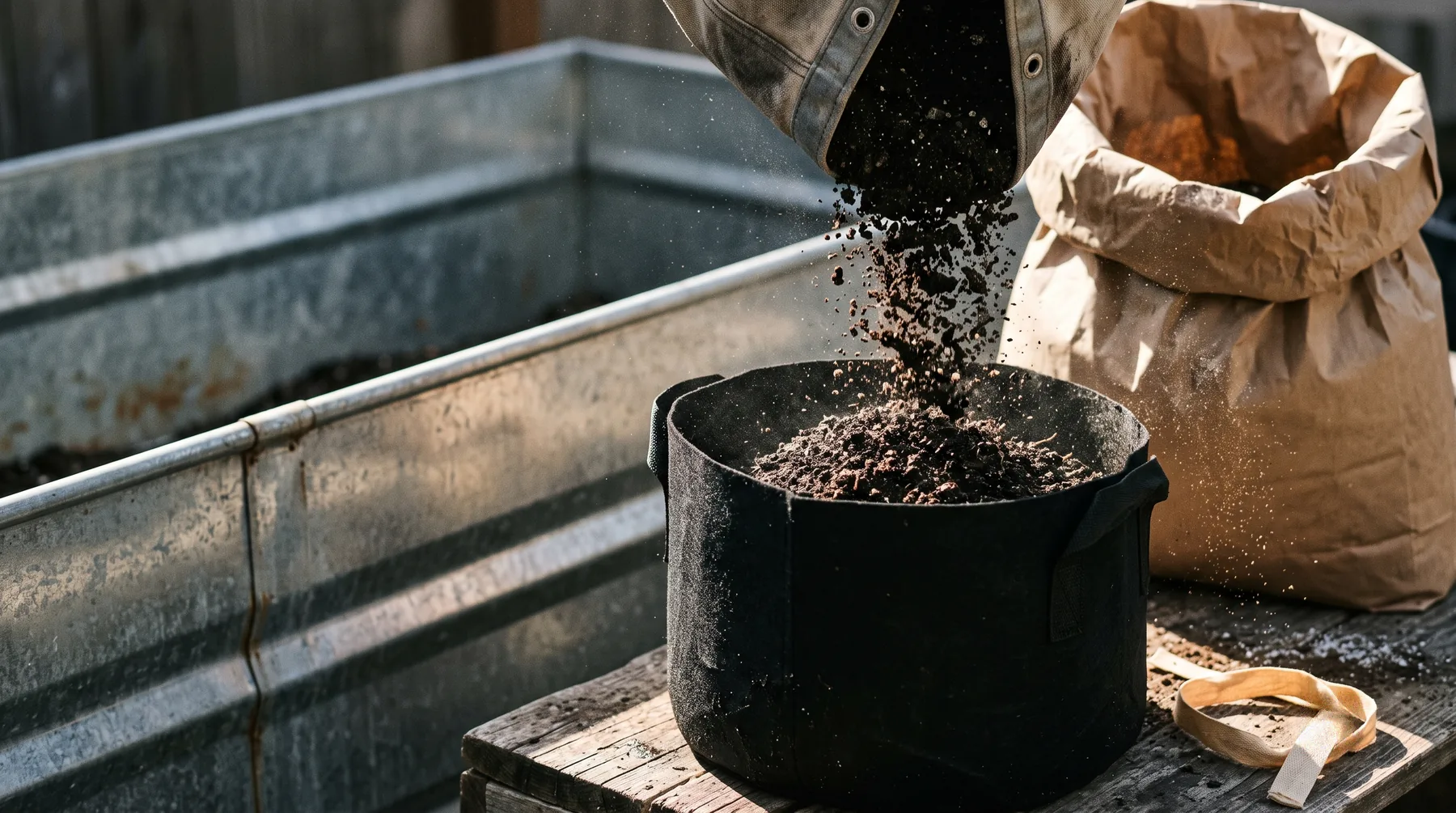
A 5-gallon fabric pot in full July sun can need water daily, sometimes twice. Fabric drains and breathes brilliantly — which is exactly why it also loses water fast.
That matters beyond convenience, because moisture swings cause:
- Blossom end rot — calcium moves in the transpiration stream, so an interrupted stream means calcium never reaches the fruit tip.
- Split fruit — dry, then heavy water, and the interior swells faster than the skin grows.
- Flower drop — a plant under water stress aborts flowers first.
The fix is not a product. It is mulch on the surface and drip on a timer. Every container-growing problem on this list is downstream of watering by memory.
Feeding: the ratio matters more than the brand
The single most common feeding mistake is a high-nitrogen general-purpose fertiliser on a fruiting crop. Nitrogen builds leaves. You get an enormous, dark green, magnificent tomato plant with four tomatoes on it.
Want: low N, higher K. A 3-4-6 with calcium is a good general sauce-garden ratio.
| Stage | Feed |
|---|---|
| Transplant → first flower | Charged mix does the work; nothing needed for ~30 days |
| First flower → first fruit | Low-N granular, monthly |
| Fruit set → end of season | Same, monthly. Peppers at about ⅔ the tomato rate |
Blossom end rot, properly explained
Because this is the number-one container failure and the internet mostly gets it wrong.
BER is not a soil calcium deficiency in almost any real garden. Calcium is abundant in most soils and in every commercial potting mix. Calcium is also immobile in the plant — it moves only in the transpiration stream, dissolved in water travelling from root to leaf and fruit.
Interrupt that stream and the fastest-growing tissue — the blossom end of a young fruit — is starved first, and its cell walls collapse. That is the black leathery patch.
Therefore:
- Cause: inconsistent soil moisture. Full stop.
- Actual fix: mulch, and consistent watering, ideally automated.
- Foliar calcium: genuinely useful, but it protects the next fruit set. Fruit already marked will not recover.
- Adding lime or gypsum: does nothing unless a soil test shows a real deficiency, which is rare.
The evidence is in the pattern: the first flush is often lost, later fruit on the same plant is clean once the weather settles. Soil calcium did not change. Watering did.
In-ground: test before you amend
Container growers can skip soil testing; bagged mix is already in range. In-ground growers are guessing without it.
The number that matters most is pH. Outside roughly 6.0–6.8, nutrients get locked out chemically regardless of how much fertiliser you apply. Adding more fertiliser to soil at pH 5.2 is pouring money into a locked box. Lime raises pH, elemental sulphur lowers it, and both take months — so test in autumn and amend for next spring.
Related crops
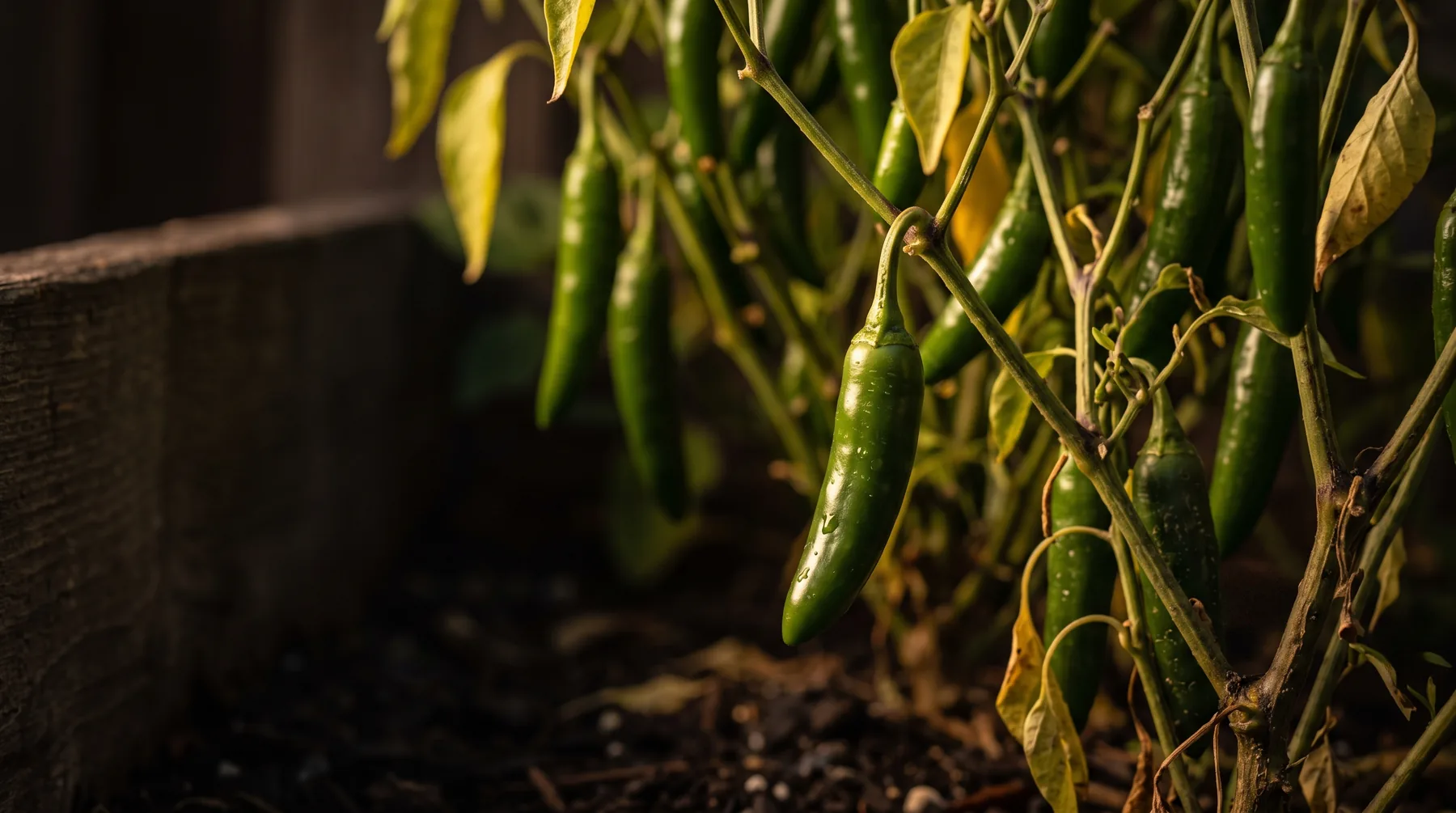
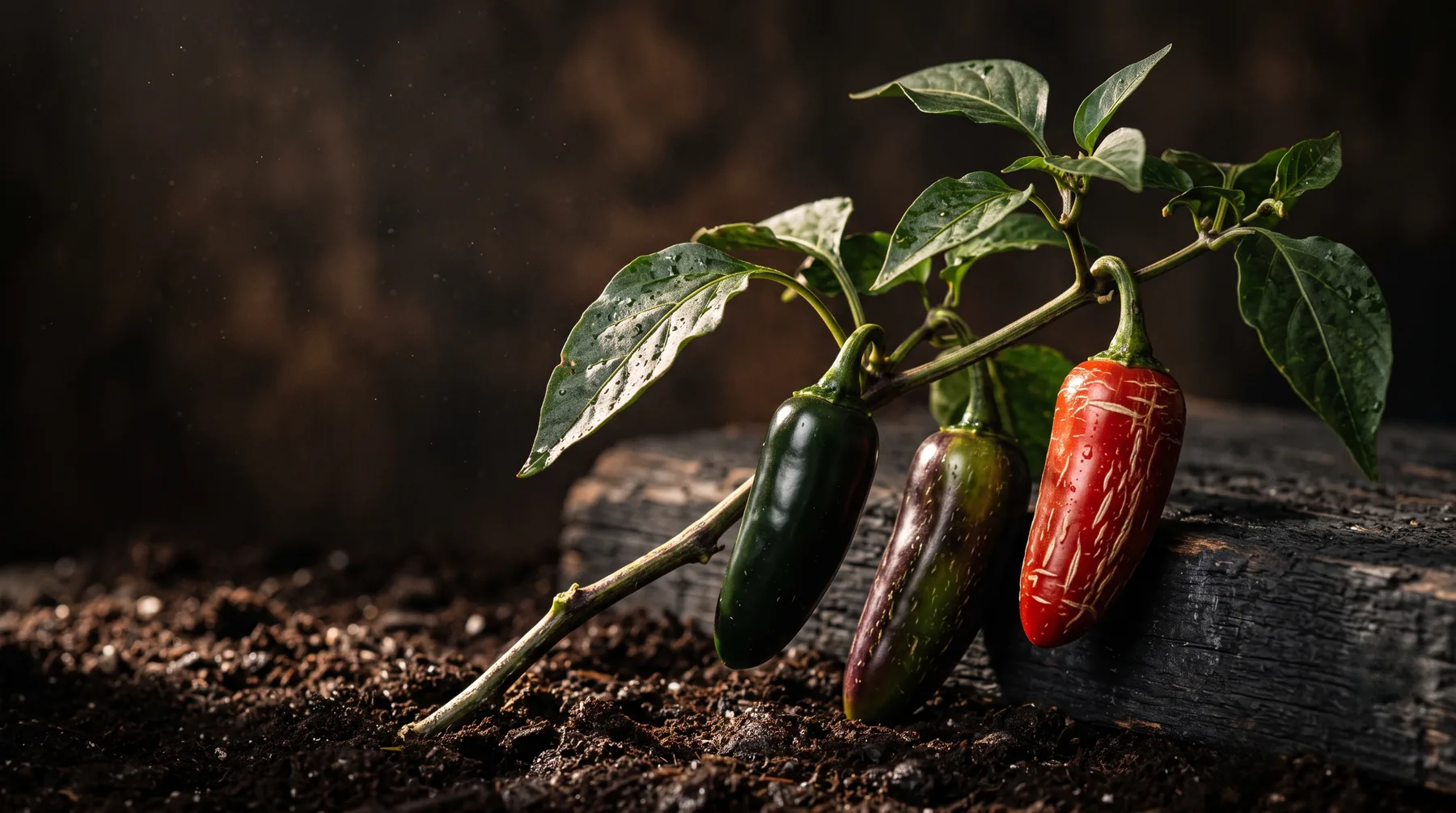 JalapeñoEarly Jalapeño (Capsicum annuum)75 days from transplant
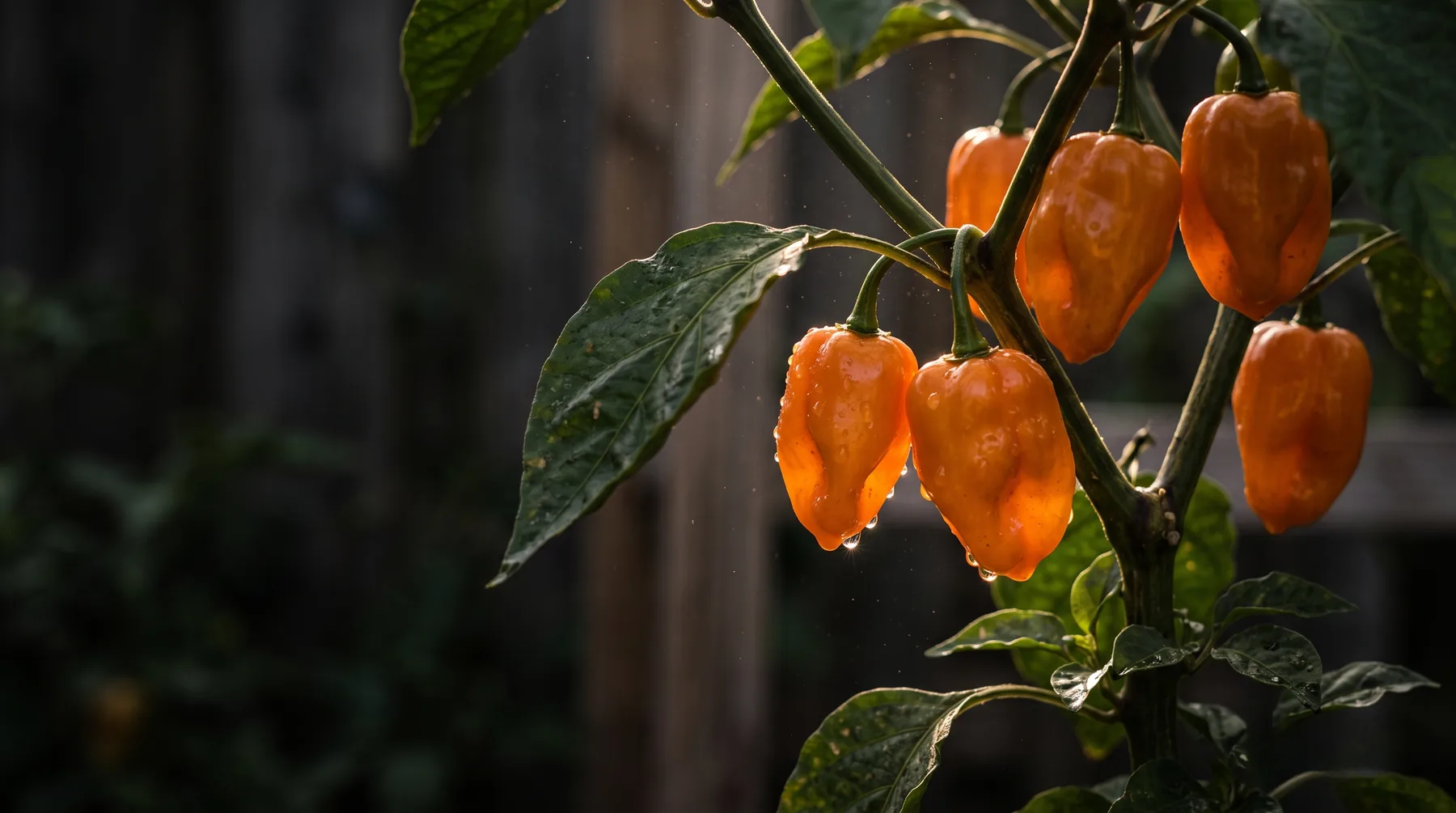 HabaneroOrange Habanero (Capsicum chinense)95 days from transplant
 SerranoSerrano Tampiqueño (Capsicum annuum)80 days from transplant
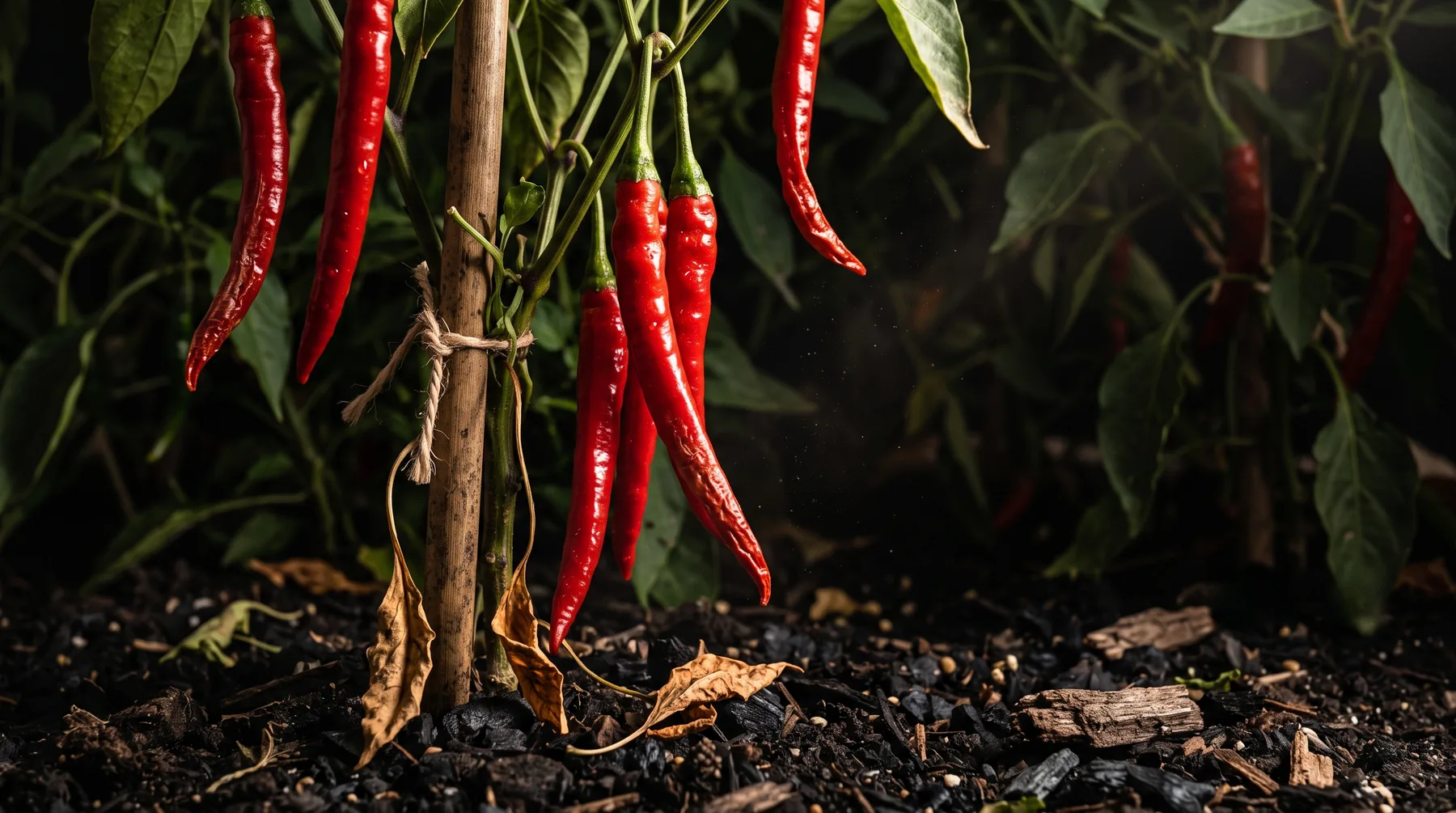 CayenneLong Slim Cayenne (Capsicum annuum)75 days from transplant
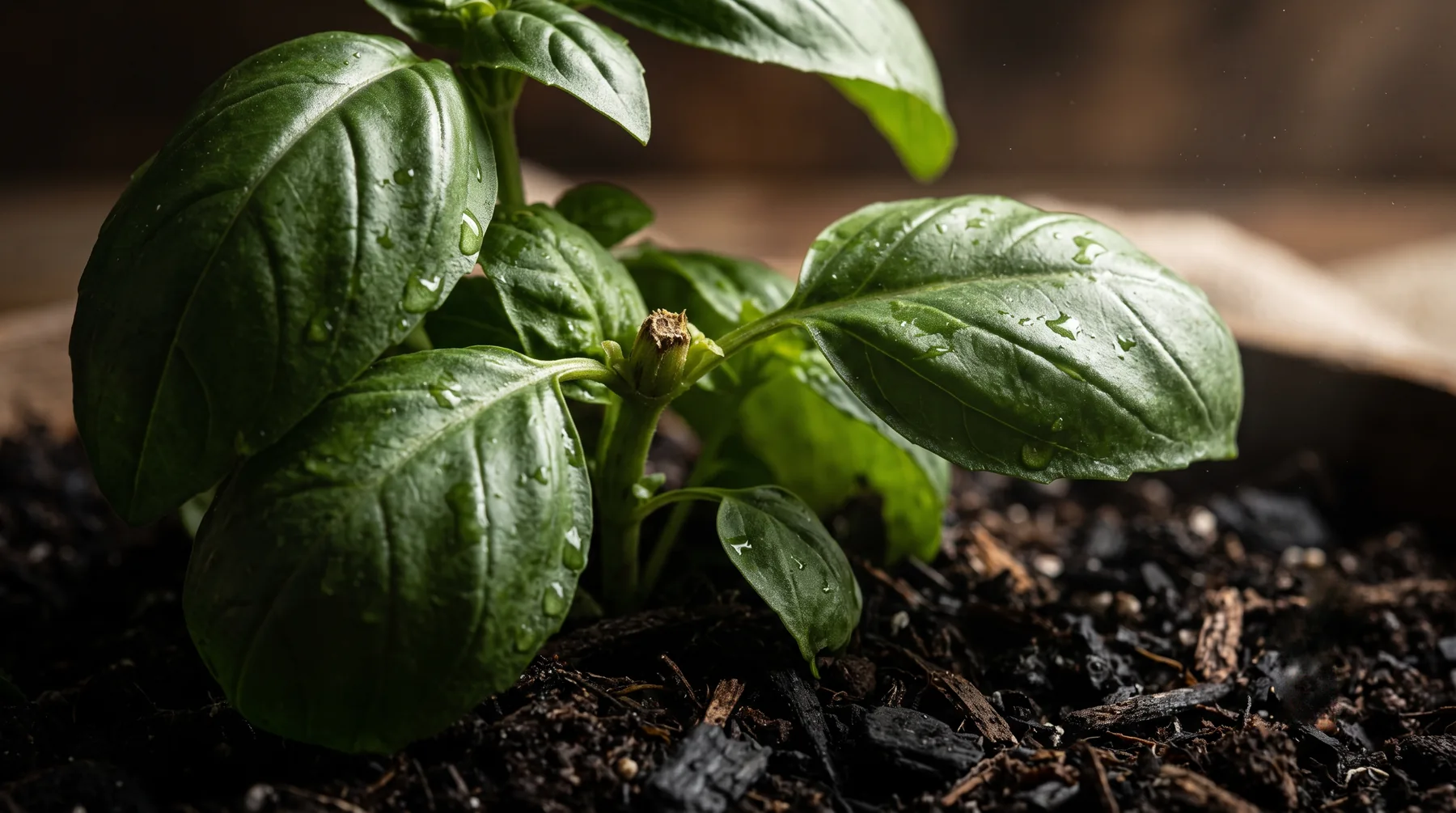 Genovese BasilGenovese60 days from transplant
Related sauces
Sources
Every food-safety number on this page traces to one of these. If you are going to trust one link on this site, trust these over us.
The gear this guide assumes
5-Gallon Fabric Grow Bags, 5-Pack
Fabric pots air-prune roots and drain faster than a plastic pot can, which is the entire reason container tomatoes fail. Five gallons is the honest minimum for a pepper; a tomato wants ten.
8×4×1 ft Galvanized Raised Beds, 2-Pack
A 4×8 bed holds twelve to sixteen sauce plants with real root volume, and a metal bed goes together in an afternoon and outlasts cedar by a decade.
Ocean Forest Potting SoilMust have
Pre-charged with enough nutrition to carry a transplant for its first month without feeding, which is exactly the window when most container plants stall.
Pure Organic Worm Castings, 15 lb
Not a fertiliser so much as a soil-biology inoculant with a mild nutrient charge. A cup in each planting hole is a cheap, unglamorous improvement you can measure by August.
Organic Tomato-Tone 3-4-6 with 8% CalciumMust have
The NPK ratio is the point: low nitrogen, higher potassium. Feed a tomato a high-nitrogen lawn fertiliser and you get a magnificent six-foot plant with four tomatoes on it.
Rot-Stop Blossom End Rot Concentrate
Blossom end rot is almost never a soil calcium shortage — it is a calcium *transport* failure caused by inconsistent water. A foliar calcium spray buys time while you fix the watering, which is the real cure.
Rapitest Soil Test Kit
In-ground growers are guessing until they test. pH outside 6.0–6.8 locks nutrients out no matter how much fertiliser you add, and no amount of feeding fixes that.
3-in-1 Soil Moisture / Light / pH Tester
Used for one thing — is the root zone actually dry six inches down — it prevents both halves of the most common container failure. Ignore the pH scale on it entirely.
Drip Irrigation System with Timer, 16 Nozzles
Blossom end rot, split tomatoes and bitter fruit all trace back to the same thing: water that swings. A $50 timer removes the human from the loop and removes the swing.
Paid links. We earn a commission from Amazon if you buy; you pay the same. Disclosure.
Questions people actually ask
How many bags of mix do I need?
Multiply gallons by 0.1337 to get cubic feet, then divide by the bag size (usually 1.5 ft³). Seven 5-gallon pots is 35 gal × 0.1337 = 4.7 ft³ = about 4 bags. A single 4×8×1 ft raised bed is 32 ft³ — about 21 bags — which is why filling beds with bagged mix alone is expensive and most people blend in bulk compost and topsoil.
Can I reuse last year's container mix?
Yes, with work. It is depleted and compacted, so refresh roughly a third of the volume with fresh mix and a few cups of worm castings, and break it up thoroughly. Do not reuse mix from a plant that had a soil-borne disease like verticillium or fusarium wilt.
Why does everyone say don't use garden soil in pots?
Because garden soil compacts. In open ground, earthworms, roots and freeze-thaw keep it structured; in a pot none of that happens and it turns into a dense block that holds water and excludes air. Roots suffocate. This is not fussiness — it is a genuinely different physical environment.
My tomato has blossom end rot. Do I need more calcium?
Almost certainly not. BER is a calcium TRANSPORT failure driven by inconsistent soil moisture, not a soil calcium shortage — most garden soils and potting mixes have plenty. A foliar calcium spray protects the next fruit set; mulch and a watering timer fix the actual cause.
Last reviewed 2026-09-01 by the SeedsToSauce Test Kitchen.Corrections welcome.