
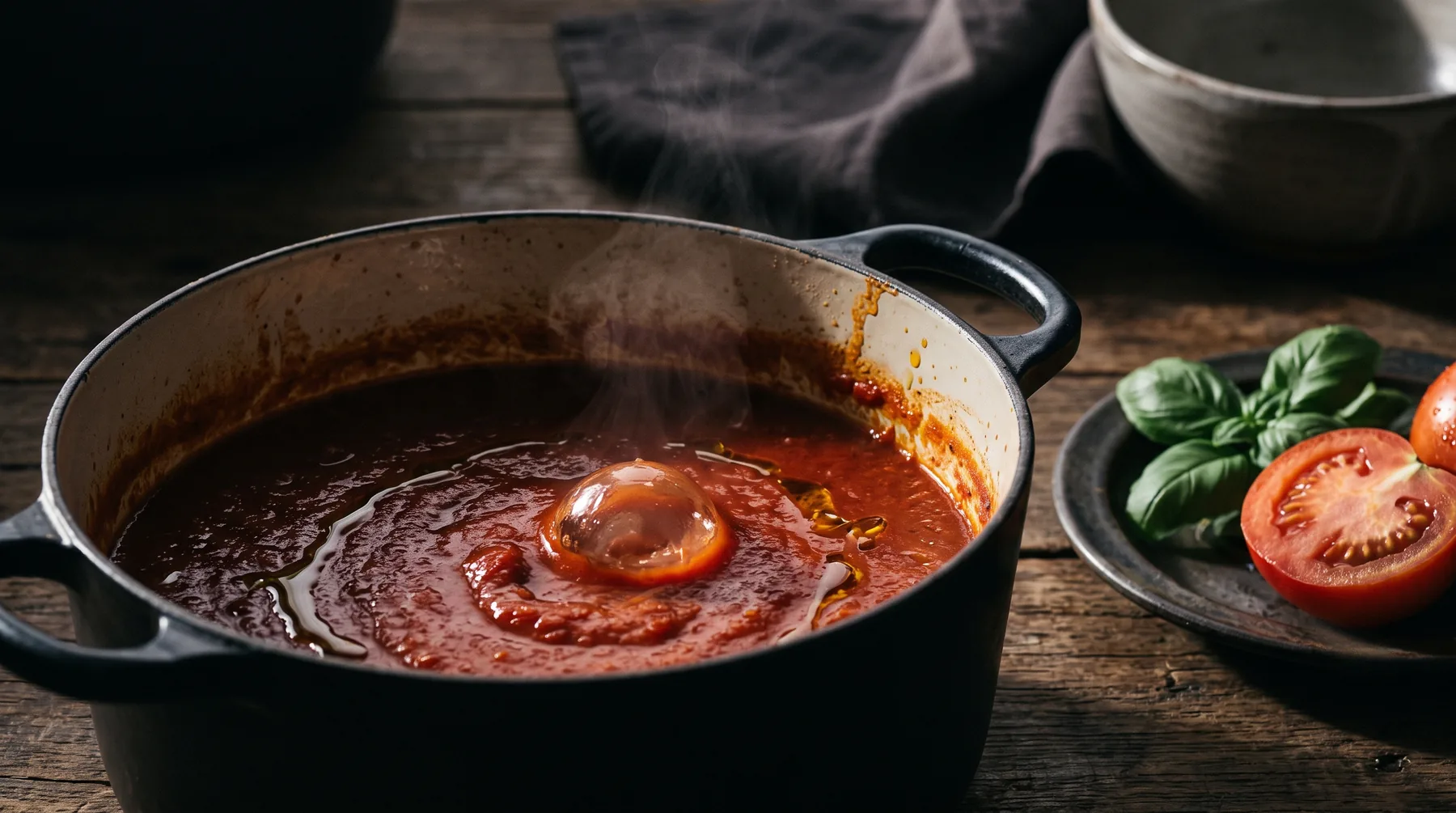
Sauce · Water-bath canned
San Marzano Sunday Gravy
Twelve pounds of paste tomatoes, three hours, and a food mill instead of a peeling job. The reduction that makes a homegrown tomato taste like the reason you grew it.
Tested process
Tomatoes straddle the pH 4.6 line — some cultivars and some seasons land above it — so the USDA and NCHFP require ADDED ACID in every home-canned tomato product regardless of taste. Per pint: 1 tablespoon bottled lemon juice OR 1/4 teaspoon citric acid, added directly to the jar before filling. Use bottled lemon juice, never fresh, because bottled is standardised for acidity. Process pints 35 minutes in a boiling-water bath at 0–1,000 ft, adding 5 minutes per additional 1,000 ft. This is a tested process; follow it exactly.
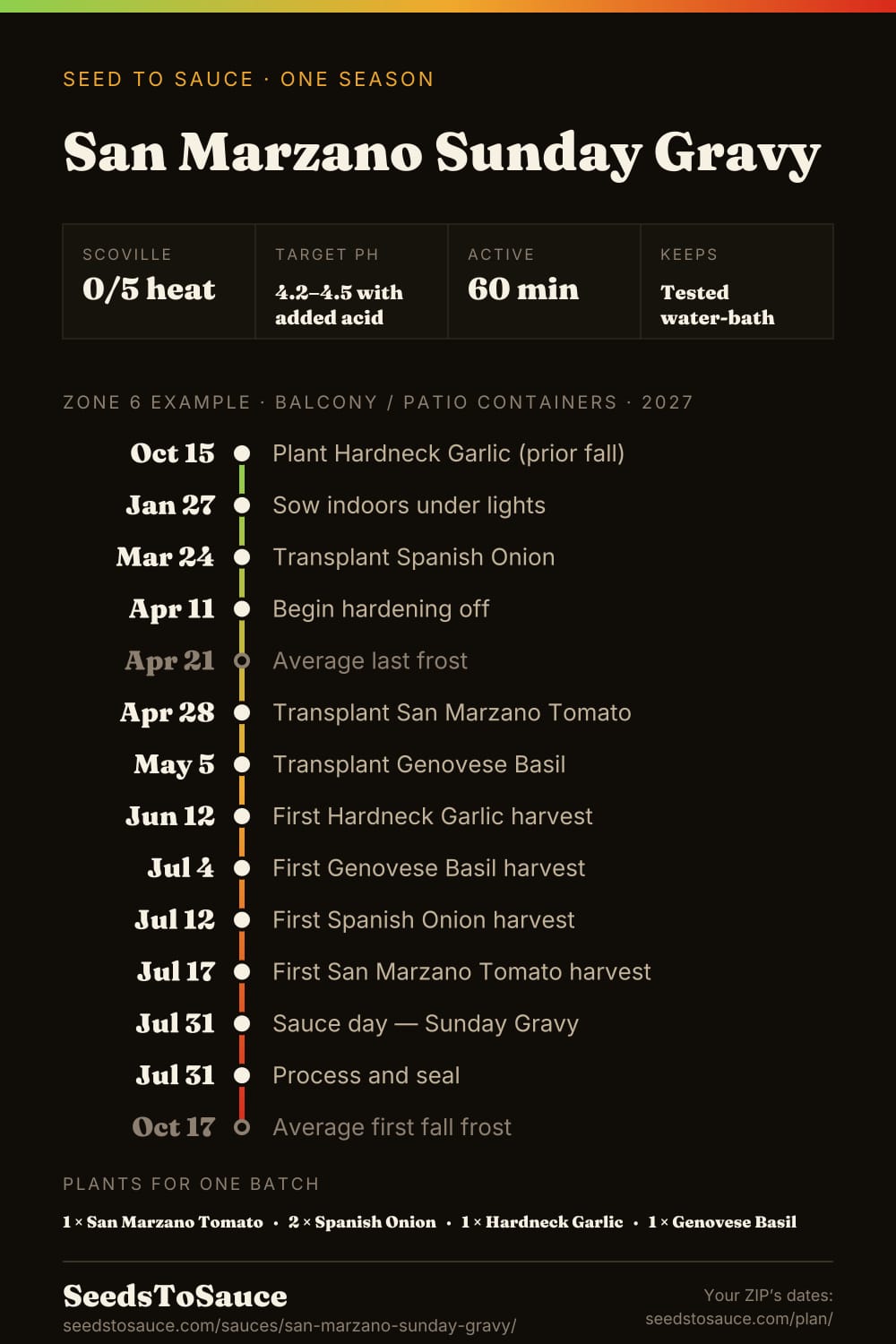
If you started today, in Zone 6, in pots
5 plants. 14 jars. Sauce on Jul 31.
Worked from Zone 6's average last frost (Apr 21) and each cultivar's days to maturity. Your zone and your space change every date below — the builder does that for you.
- Jan 6Order seeds and starting supplies
- Jan 27Sow indoors under lights
- Apr 21Average last frost (Zone 6)
- Jun 12First Hardneck Garlic harvest
- Jul 4First Genovese Basil harvest
- Jul 12First Spanish Onion harvest
- Jul 17First San Marzano Tomato harvest
- Jul 31Sauce day — Sunday Gravy
- Jul 31Process and seal
Save it
The whole season, one pin
| Yield | About 7 pints — 14 half-pint jars |
|---|---|
| Active time | 60 minutes |
| Total time | 1 hour active, 3 hours simmering, 35 minutes processing |
| Heat | — |
| Target finished pH | 4.2–4.5 with added acid |
| Preservation | Water-bath canned |
| Fruit this batch eats | 12 lb San Marzano Tomato1 lb Spanish Onion0.2 lb Hardneck Garlic0.1 lb Genovese Basil |
What you have to grow
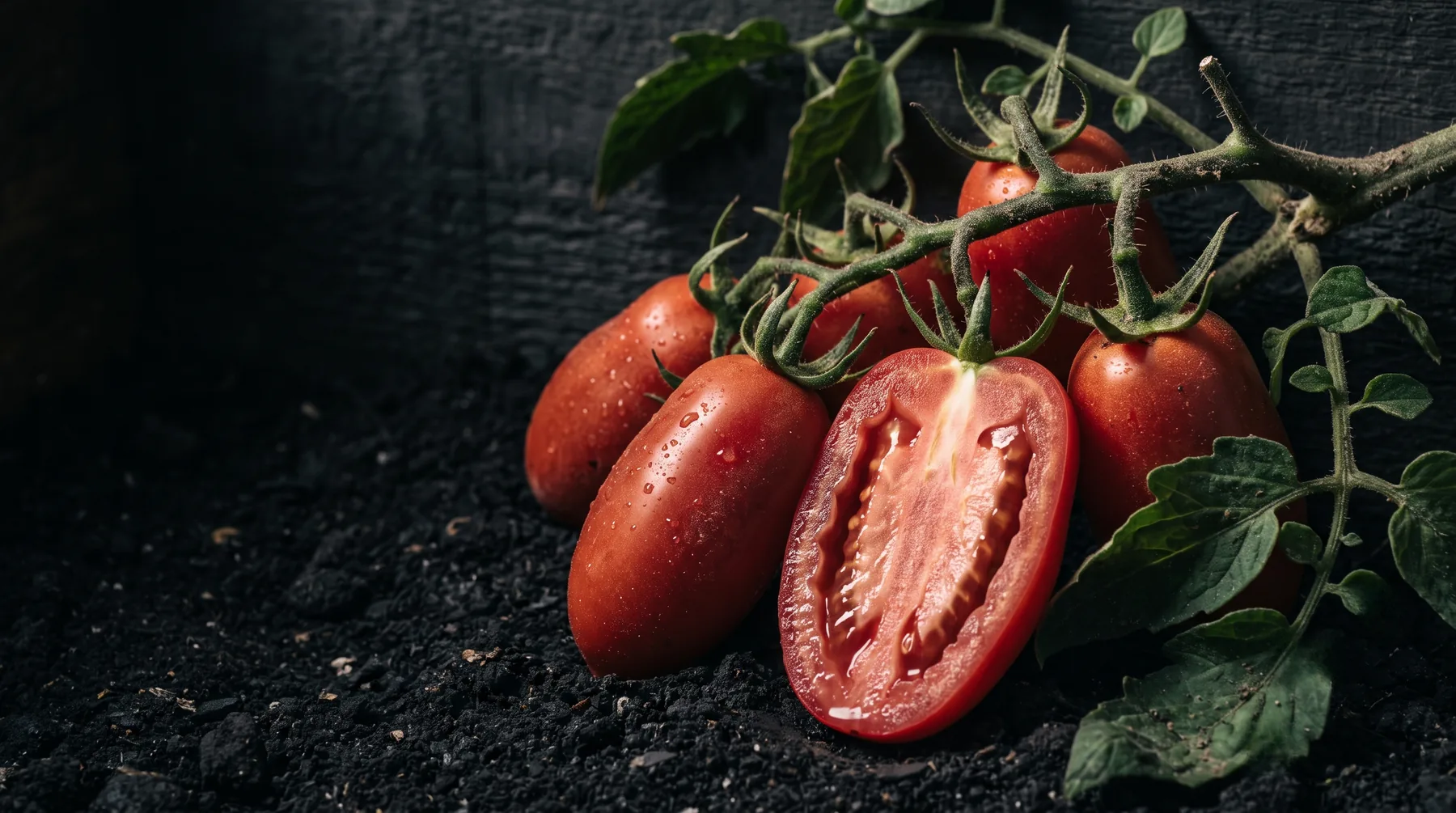
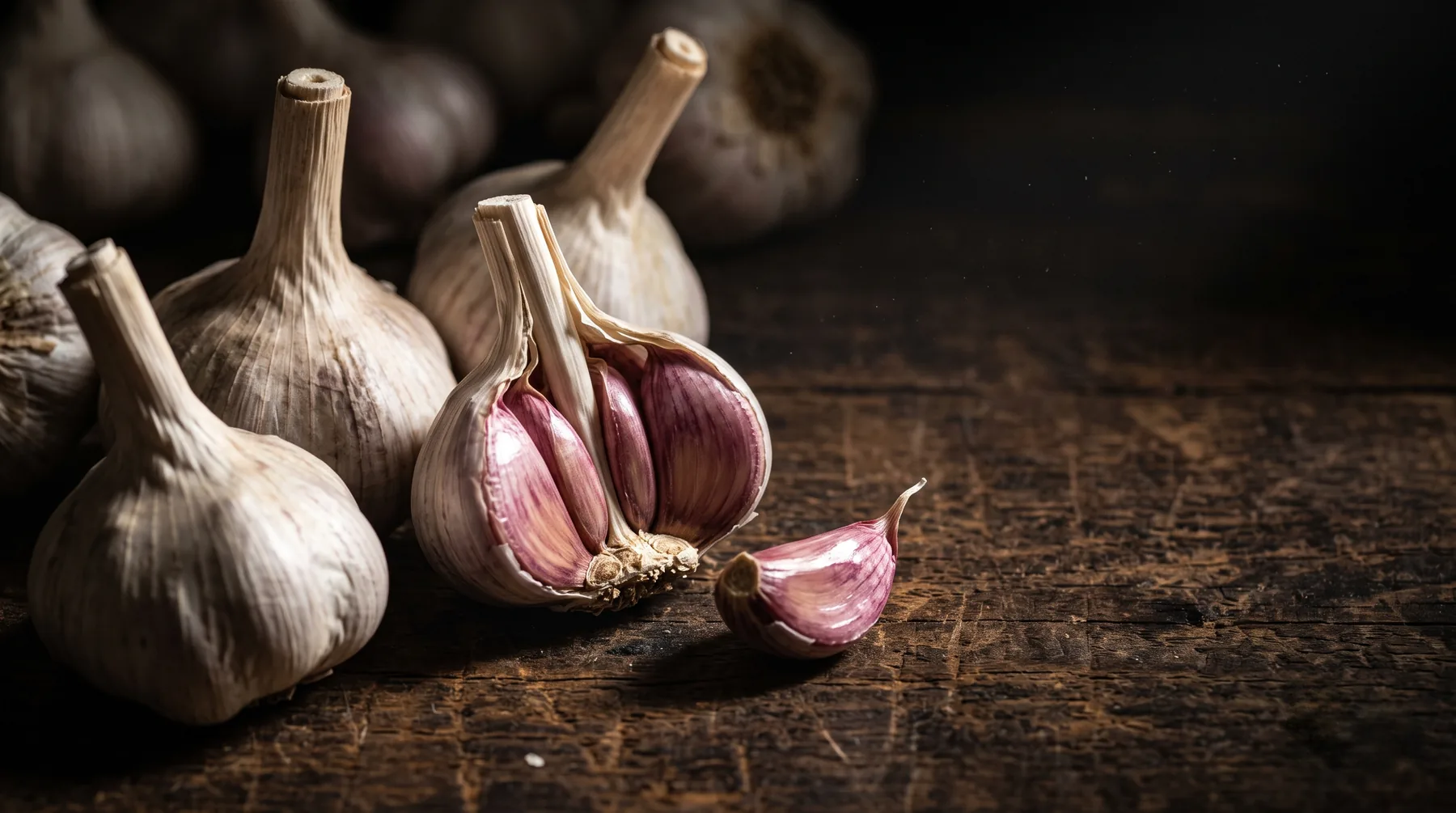
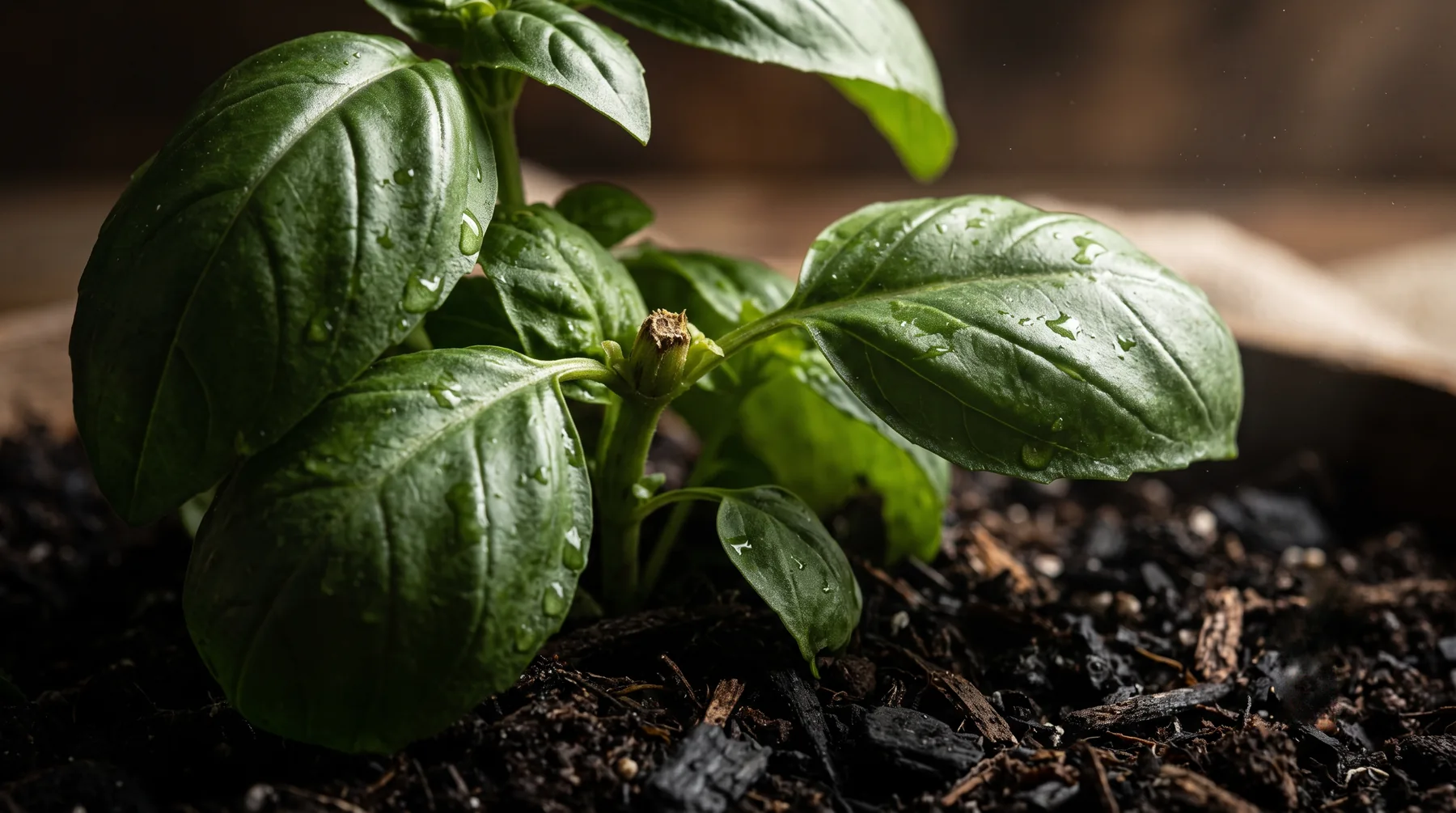
The whole argument for growing your own sauce tomatoes is that you cannot buy this. A supermarket paste tomato was picked hard, gassed to colour and shipped 1,800 miles. A San Marzano cut off the vine in September and cooked the same afternoon is a different food, and after three hours of reduction the difference is not subtle.
Twelve pounds sounds like a lot. It is roughly one indeterminate plant’s whole season, and it makes about seven pints — a winter of Sunday dinners.
What you need
| San Marzano or Roma tomatoes | 12 lb |
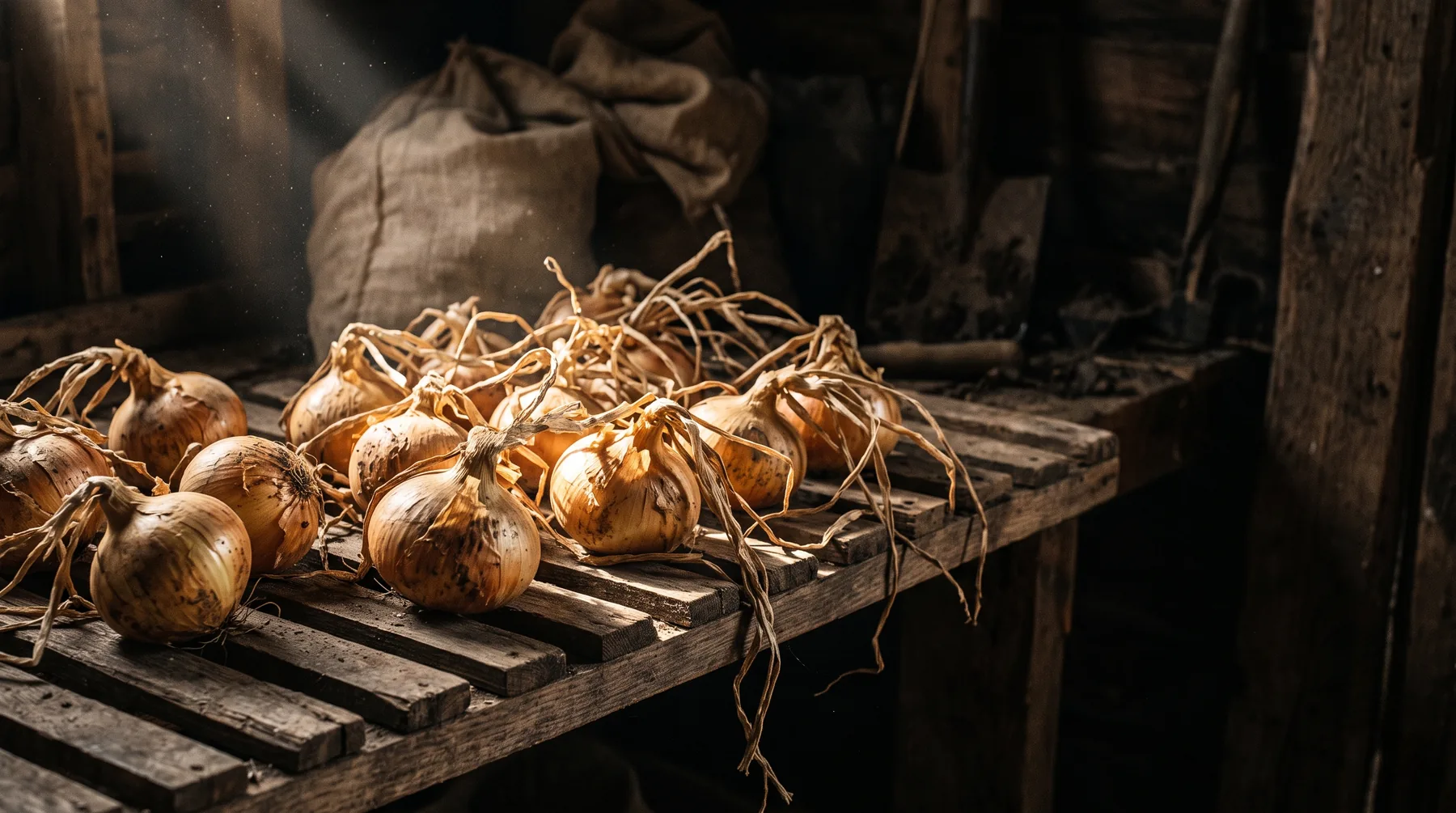
| Yellow onion, finely diced | 1 lb |
| Garlic, sliced thin | 1 bulb (~3 oz) |
| Good olive oil | 4 oz |
| Fresh Genovese basil | large handful, at the end |
| Salt | to taste, ~2 tbsp |
| Bottled lemon juice | 1 tbsp per pint jar |
Method
- Wash and halve. No peeling, no coring, no blanching. Halve lengthwise; that is the whole prep.
- Sweat the aromatics. Olive oil in a 6-quart enamelled Dutch oven over medium-low. Onion for 12 minutes until translucent and sweet — do not brown it. Garlic for the last two minutes.
- Add tomatoes. All of them. Bring to a bare simmer.
- Cook 45 minutes, until everything has collapsed and released liquid.
- Mill. Run the lot through the food mill on the medium disc. Skins and seeds stay behind. This is the step that saves you an hour.
- Reduce. Back into the pot, uncovered, at the barest simmer for 2 to 2.5 hours, stirring every twenty minutes. You are looking for a roughly 40% volume loss and a sauce that mounds on a spoon.
- Season. Salt to taste. Tear in the basil, off the heat, at the very end — simmered basil goes black and bitter.
- Acidify, in the jar. Into each hot pint jar: 1 tablespoon bottled lemon juice (or ¼ tsp citric acid). Then ladle in sauce.
- Fill and seal. Half-inch headspace. Debubble, wipe the rim clean — a speck of sauce on the rim is a failed seal — lid, band to fingertip tight.
- Process. Boiling-water bath, jars covered by an inch of water, 35 minutes for pints at 0–1,000 ft. Add 5 minutes per additional 1,000 ft.
- Cool undisturbed 12–24 hours. Check every seal by lifting the jar by the lid alone. Label with the date.
Why the lemon juice is not optional
Tomatoes sit right on the 4.6 line. Historical cultivars were mostly below it; modern ones range roughly pH 4.2–4.9, and ripeness, cultivar and growing season all shift the number. Overripe fruit is less acidic, not more.
You cannot taste the difference between pH 4.4 and pH 4.8. Perceived sourness is about the sugar-to-acid ratio, so a sweet tomato at pH 4.4 tastes milder than a lean one at pH 4.7. This is exactly why the USDA requires acid addition in all home-canned tomato products, regardless of variety or how sharp it tastes.
One tablespoon per pint. It is undetectable in the finished sauce and it is the difference between a tested process and a guess. The full explanation is here.
What it tastes like
Sweet, dense and deeply savoury, with the basil arriving as a bright green note on top rather than cooked into the background. It is not a marinara you doctor — it is finished. Open a jar in February, warm it, and it tastes like the September afternoon you made it.
The kit for this sauce
Each item is selected for a job in this recipe. Amazon listings, sellers, and prices can change; check the current details before you buy.
San Marzano Tomato SeedMust have
The paste tomato Italian canners actually use. Low seed cavity, low water, high pectin: it reduces to a sauce in half the time a slicer takes and never tastes thin.
Yellow Sweet Spanish Onion Seed
A long-day storage onion with enough sugar to sweat down without scorching. The aromatic base under every tomato sauce on this site.
Siberian Hardneck Seed Garlic, 1 lb
Planted in October, pulled in July. Hardneck garlic has bigger, easier-peeling cloves and gives you scapes in June — a free second crop that is itself excellent in green sauce.
Genovese Sweet Basil Seed
The large-leaf, low-anise Italian basil that pesto is defined by. Thai and lemon basils are good plants and wrong ingredients.
Garden Harvest Basket with Tool Caddy
A harvest basket that doubles as a colander means the hose rinse happens in the garden, and the dirt stays outside. On a 20-pound tomato day that is a genuine time saving.
Digital Kitchen Scale, 11 lb, g/ozMust have
Fermentation brine is a percentage of weight, not a number of spoons. Without a gram scale you are not following a fermentation recipe — you are guessing at the one number that determines whether it is safe.
Hydrion Short-Range pH Strips, 0.0–6.0
The budget answer, and a genuinely usable one: a 0–6 range in 0.5 steps tells you whether a ferment has crossed 4.6. Universal 1–14 strips cannot — they are useless for this job.
Stainless Steel Food Mill, 3 discsMust have
A blender pulverises tomato skins and seeds into the sauce, which is where bitterness comes from. A mill separates them out — no blanching, no peeling, no ice bath. It removes an entire hour from sauce day.
Essential Enameled Cast Iron Dutch Oven, 6 qtMust have
Tomato sauce is acidic enough to strip bare cast iron and pick up a metallic tang from aluminium. Enamel is non-reactive, and the thermal mass holds a low simmer for three hours without scorching the bottom.
Gourmet Stainless 12-Quart Stock Pot
For twenty pounds of tomatoes, the Dutch oven is too small. Twelve quarts of non-reactive stainless is the batch-scale vessel, and it doubles as a water-bath canner in a pinch.
9-Piece Enamelware Water Bath Canning SetMust have
Water-bath canning is the tested process for high-acid foods — anything reliably below pH 4.6. The rack is not optional: jars sitting on the pot floor crack from direct heat.
Canning Essentials SetMust have
A jar lifter is a safety tool, not a convenience: you are moving glass full of 212 °F sauce. The headspace gauge is the other half — wrong headspace is the most common reason a seal fails.
Pint (16 oz) Regular Mouth Mason Jars with Lids and Bands
The right size for marinara, where a jar is one dinner for a family. Same rules as the half-pints: the glass is forever, the flat lid is not.
Mason Jar Lids, Regular Mouth, 72 countMust have
The flat lid's sealing compound is designed for one heat cycle. Reusing it is the single most common cause of a jar that seals, then quietly unseals in November.
Canning Jar Labels, 360 pcs, removable
Date every jar. In March, three jars of red sauce are indistinguishable, and 'it's probably the one from August' is not a food-safety practice.
Paid links. We earn a commission from Amazon if you buy; you pay the same. Disclosure.
Questions people actually ask
Do I really have to add lemon juice? My tomatoes taste very acidic.
Yes, and taste is not evidence. Perceived sourness tracks sugar-acid balance, not pH — a low-sugar tomato tastes sharper at the same pH. Modern cultivars vary from about pH 4.2 to 4.9, and ripeness and season move it further. The USDA requirement for added acid in all home-canned tomatoes exists precisely because you cannot tell by tasting. It is one tablespoon per pint and you will not detect it in the finished sauce.
Why bottled lemon juice instead of fresh?
Bottled lemon juice is standardised to a known acidity. Fresh lemons vary substantially by variety, ripeness and age. When acid addition is the safety control, a known quantity is the entire point.
Can I add meat, or peppers, or mushrooms, and still can it?
No. Adding low-acid ingredients changes the product's acidity and density and voids the tested process. A meat sauce must be pressure-canned under a tested recipe. Can the plain tomato base and add everything else on the day you serve it — which is better cooking anyway.
Do I have to peel 12 pounds of tomatoes?
No, and that is the point of the food mill. Halve them, cook them down, and mill the whole lot — skins and seeds stay in the hopper. It removes blanching, ice baths and an hour of peeling from the day.
A jar didn't seal. Now what?
Refrigerate it and use it within a week, or re-process within 24 hours with a fresh lid. Never store an unsealed jar at room temperature and never re-tighten a failed seal and call it sealed.
Last reviewed 2026-09-01 by the SeedsToSauce Test Kitchen. Spotted something wrong?Tell us — corrections get published.