Guide · growing
Choose the pepper cultivar for the sauce you want
Match pepper type, maturity window, and fruit color to your growing season and the sauce in the jar.
The seed packet is the first recipe decision. A pepper that ripens after your first fall frost is not a useful cultivar for a sauce you want to make in September.
Start with the sauce, then check the season
Write down three things before ordering seed:
- Fruit type and flavor. Jalapeño gives a thick, green-to-red fruit suited to a vegetal sauce. Cayenne gives a long, thinner fruit that dries and blends cleanly. Habanero brings a different aroma and a much hotter finish. Sweet peppers such as Marconi add volume and sweetness without making the batch hotter.
- Color at harvest. Green fruit gives a different look and flavor from fully colored fruit. Decide whether the finished sauce should be green, red, or a blend before choosing seed.
- Time to harvest. Read the cultivar’s stated days to maturity and check whether the count begins at sowing or transplanting. The University of Minnesota Extension recommends checking the catalog’s stated starting point and selecting varieties suited to a shorter northern season when needed.
Utah State University Extension’s northern Utah recommendations list examples from about 70 days for Cayenne Long Slim to 85 days for Aji Amarillo, with Jalapeño and Serrano entries around 75 days. Those are regional reference values, not a guarantee for your garden or a universal comparison between seed catalogs.
Read the maturity number correctly
Most home gardeners buy transplants or start peppers indoors. If a listing says “75 days” but does not say what the count starts from, do not assume it means 75 days from sowing. Check the seed company’s notes. A transplant-grown pepper has already spent weeks indoors before the outdoor clock starts.
Our days-to-maturity guide explains how to compare those numbers with your frost dates. The habanero crop file, jalapeño crop file, and cayenne crop file list the cultivar assumptions used in the plan builder.
Match a pepper to the job
| Sauce goal | Start with | What to check |
|---|---|---|
| Green, fresh chile sauce | Jalapeño or serrano | Harvest size and whether you want green or fully colored fruit |
| Thin, bright red fermented sauce | Cayenne | Days from transplant, ripe color, and enough plants for the recipe’s weight |
| Aromatic, high-heat sauce | Habanero | A long enough warm season and a recipe that balances its heat |
| More body without more heat | Marconi or another sweet frying pepper | Thick flesh, ripe color, and the recipe’s actual pepper weight |
These are starting points. Cultivar names do not guarantee the same days to maturity, heat, or yield across sellers. Use the crop file’s numbers for planning, and adjust after you see how the plant performs in your space.
Pick at the stage the recipe expects
Many peppers can be eaten at mature green size or left to reach their mature color. Utah State University Extension notes that peppers commonly need another 35–45 days from flowering to reach full color, with temperature and variety affecting the interval. That extra time matters in a short season.
Clip fruit with clean snips instead of pulling on the branch. Harvesting mature fruit regularly encourages continued flowering and fruit set. For the sauce’s intended color and flavor, follow the recipe’s harvest stage; the harvest timing guide covers handling the crop after picking.
Build around real recipe weights
Do not choose a pepper count from a generic “plants per person” chart. Start with the recipe’s pounds of each fruit, then divide by a conservative yield per plant for your space. The Plan Builder does that math and shows where its yield assumptions may miss.
For three ready-to-use cultivar paths, see Louisiana Cayenne, Habanero-Carrot Hot Sauce, and Salsa Verde.
Related crops
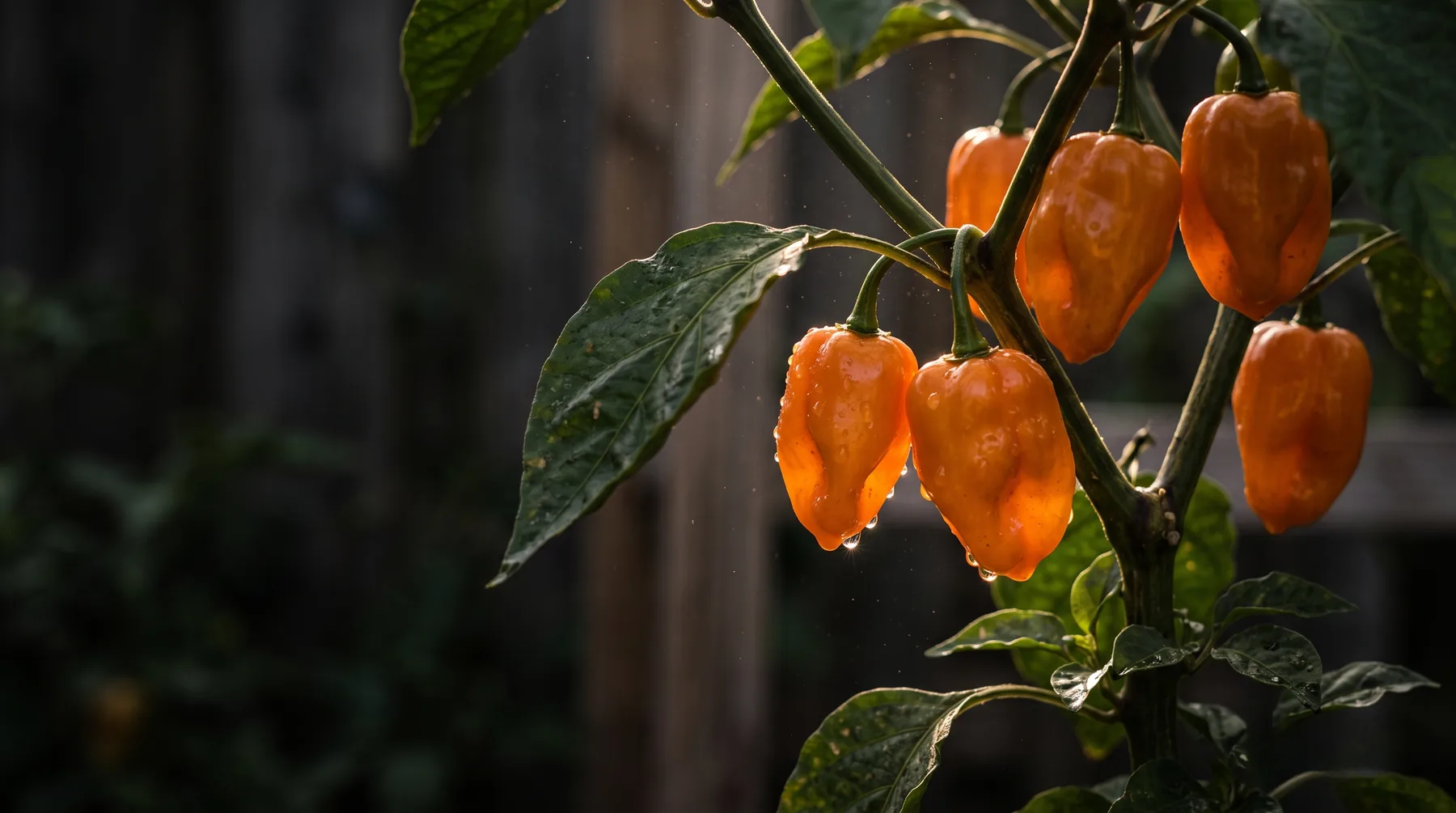
HabaneroOrange Habanero (Capsicum chinense)95 days from transplant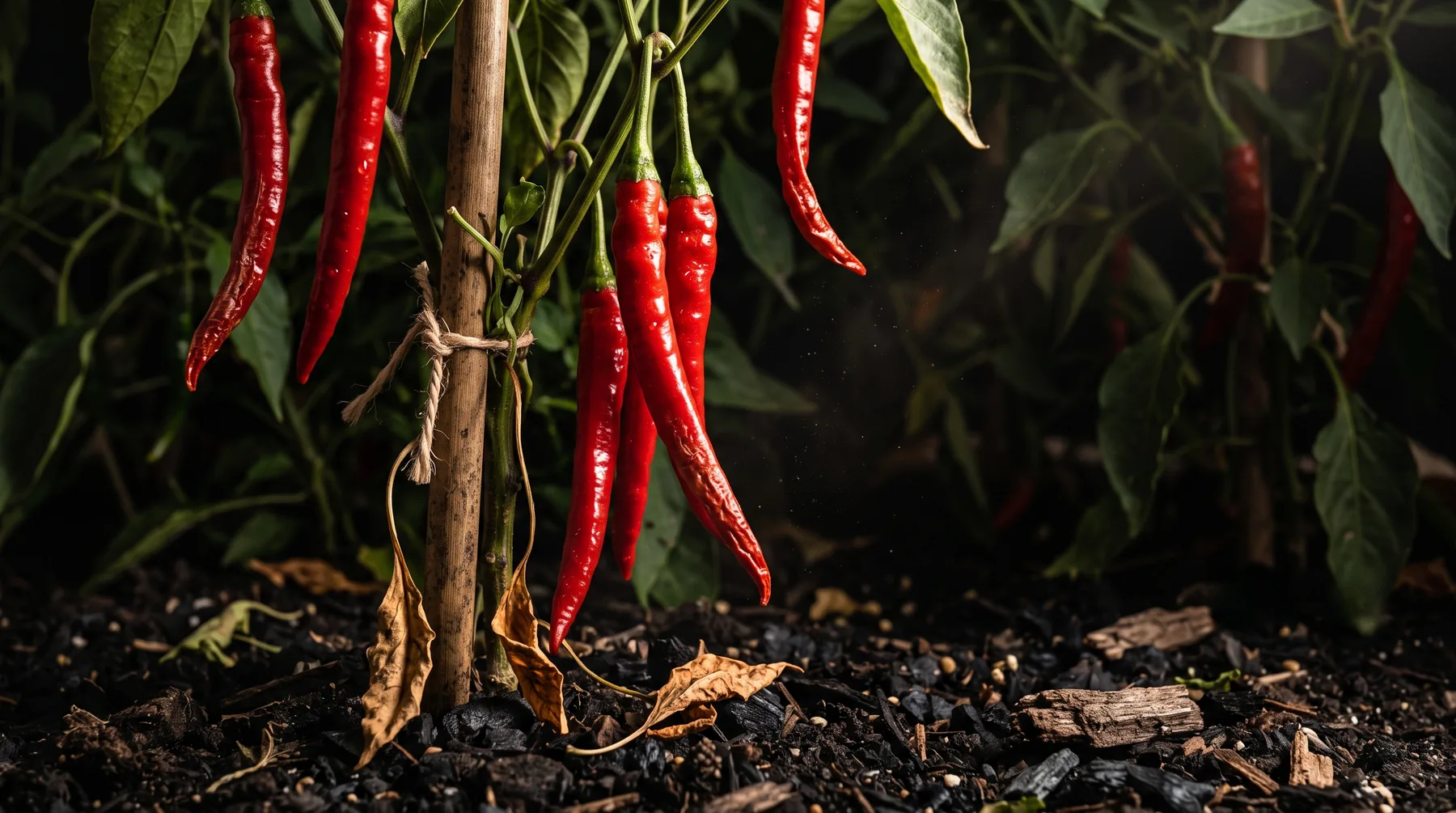 CayenneLong Slim Cayenne (Capsicum annuum)75 days from transplant
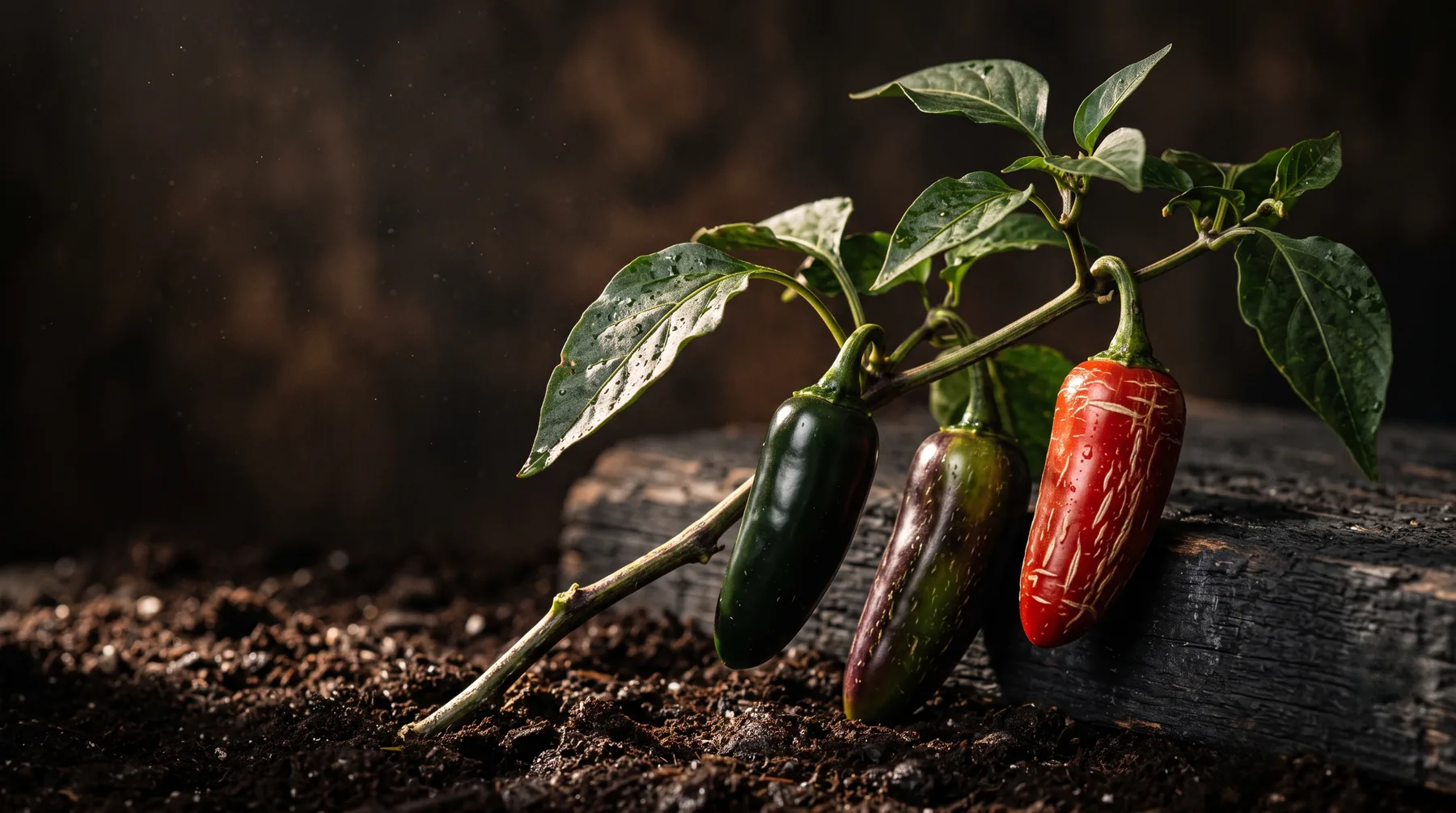 JalapeñoEarly Jalapeño (Capsicum annuum)75 days from transplant
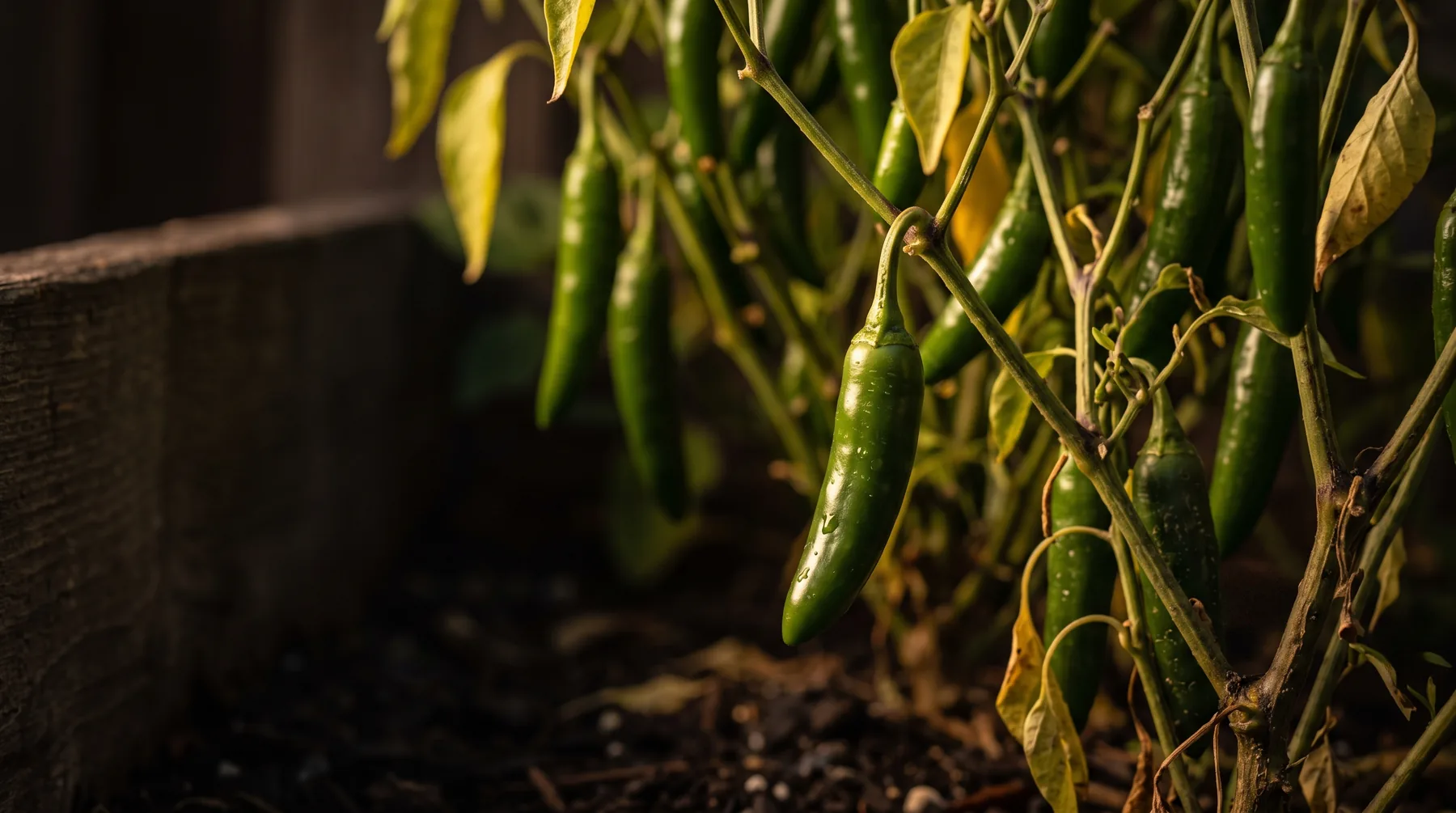 SerranoSerrano Tampiqueño (Capsicum annuum)80 days from transplant
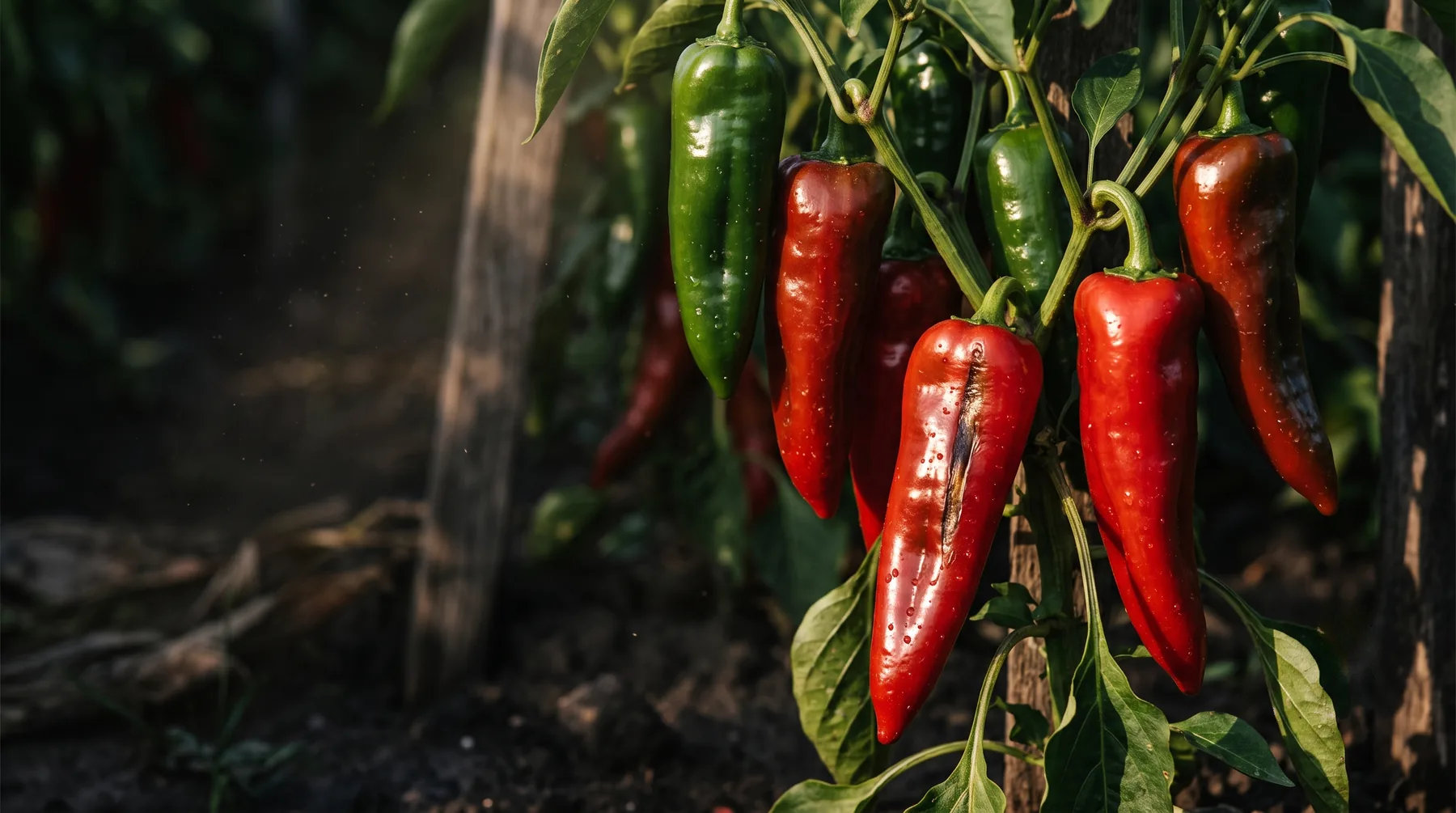 Marconi Red PepperMarconi Red (Capsicum annuum)80 days from transplant
Related sauces
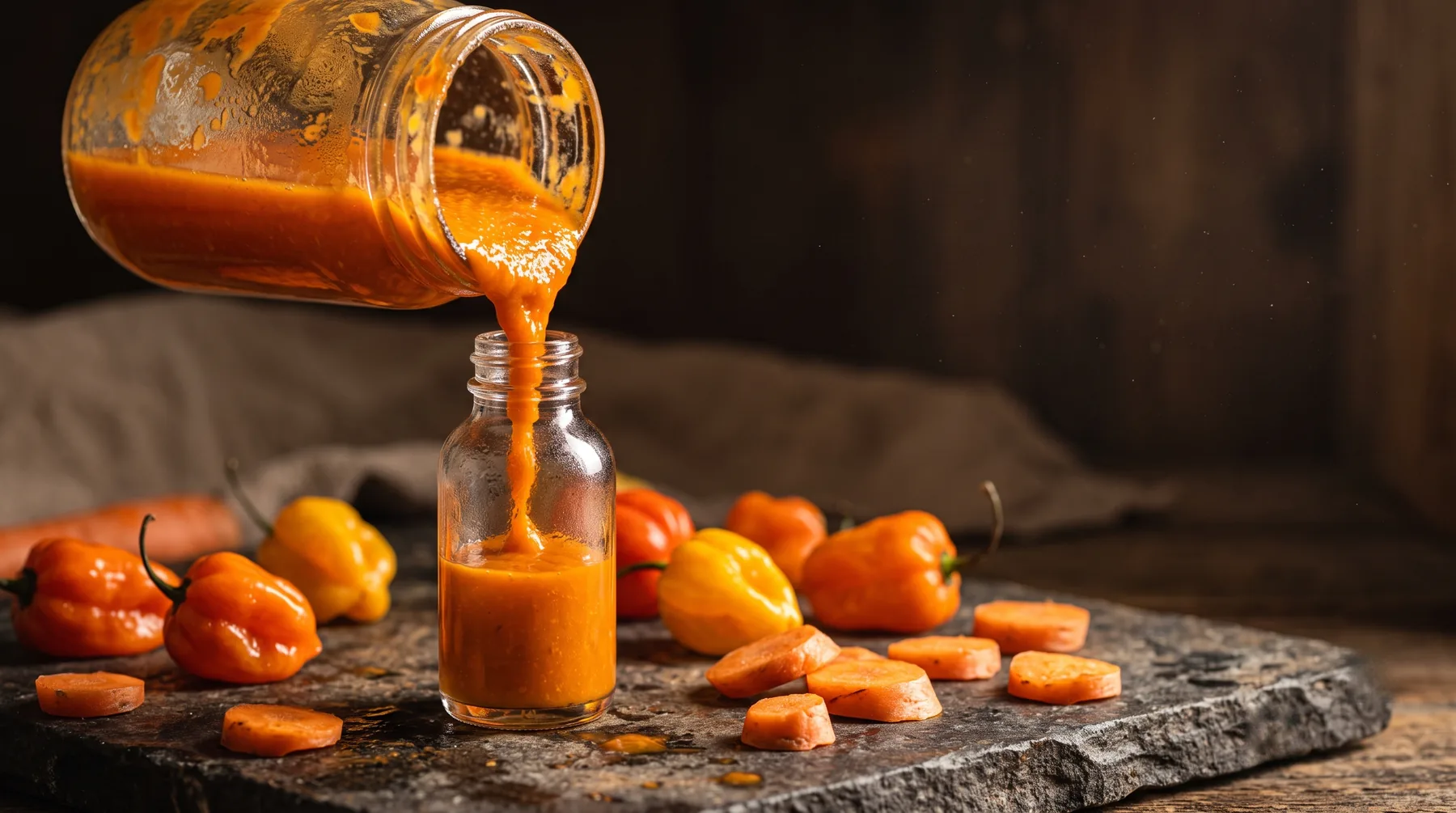
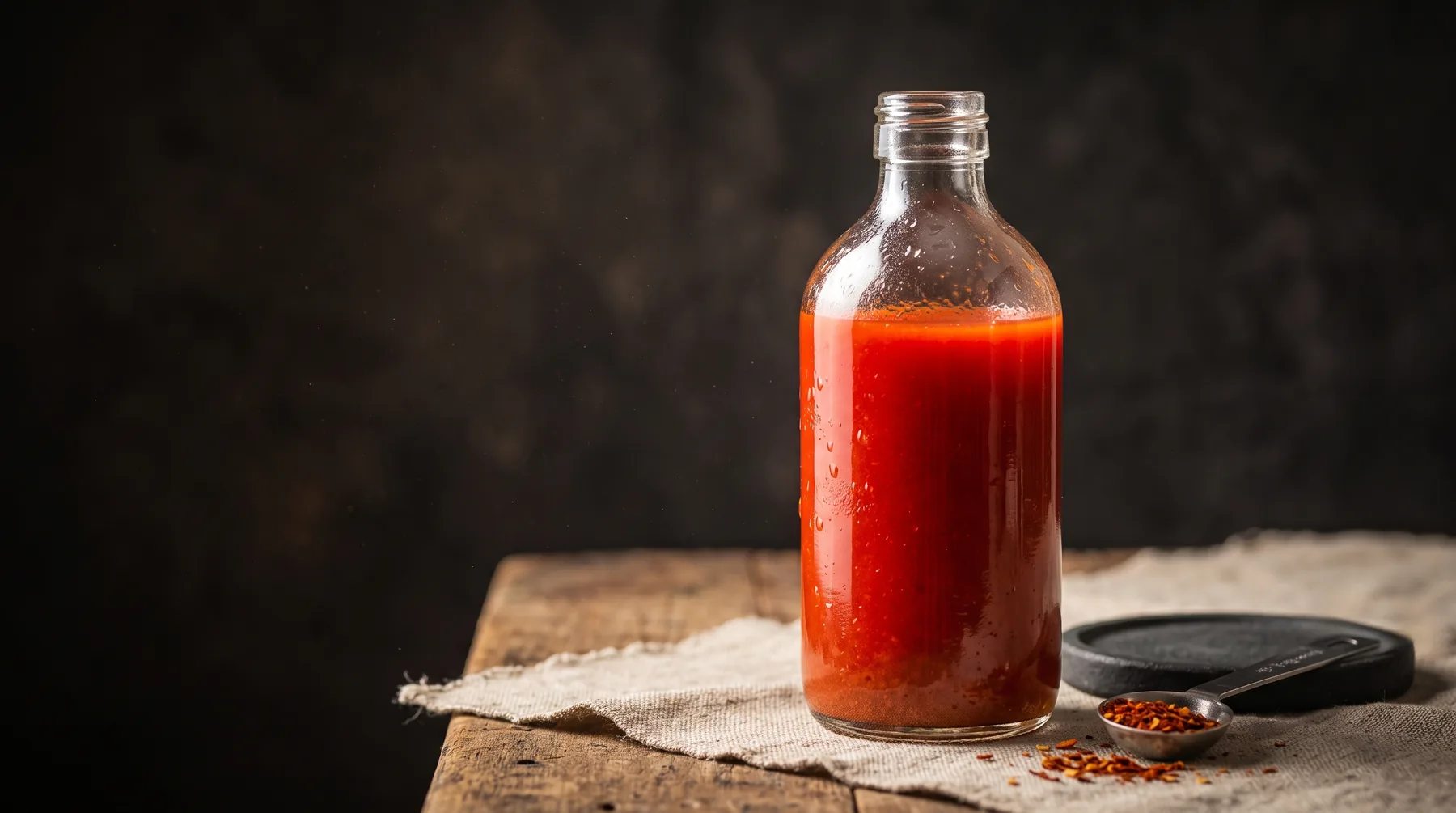
Sources
Every food-safety number on this page traces to one of these. If you are going to trust one link on this site, trust these over us.
The gear this guide assumes
Jalapeño Pepper Seed
The one you smoke into chipotle. Left on the plant to red and corked, then cold-smoked, a jalapeño stops being a taco garnish and becomes the backbone of an adobo.
Organic Cayenne (Long Slim) Seed
The long, thin, wall-thin cayenne that dries in a week and grinds to a clean red powder. If you want flakes and powder as well as sauce, this is the plant that does both.
Habanero Orange Pepper SeedMust have
The workhorse superhot for sauce: 100,000–350,000 SHU with a genuine apricot-floral top note that survives fermentation. Nothing else in this range tastes like fruit instead of pure burn.
Serrano Pepper Seed
Cleaner and greener than a jalapeño at roughly three times the heat. The correct chile for salsa verde and zhoug, where you want brightness rather than smoke.
Marconi Red Sweet Pepper Seed
A long Italian sweet pepper that roasts and peels far better than a bell. Romesco and any red-pepper paste wants this, not a supermarket bell.
Paid links. We earn a commission from Amazon if you buy; you pay the same. Disclosure.
Questions people actually ask
Does the seed packet's days-to-maturity number start at sowing?
Usually it describes the time from transplanting, but seed companies do not all state the starting point the same way. Check the packet or listing, then compare like with like; use your local frost window to judge whether the cultivar fits.
Should I choose the hottest pepper for hot sauce?
Not automatically. A sauce needs enough fruit yield, the right flavor and color, and enough season to ripen. Blend a hotter cultivar with a milder, thicker-fleshed pepper when the recipe needs more body.
Can green jalapeños go into a sauce?
Yes. Jalapeños are commonly harvested green at mature size or left on the plant to turn red. The color and flavor change with maturity, so choose the stage that matches the sauce you want.
Last reviewed 2026-10-04 by the SeedsToSauce Test Kitchen.Corrections welcome.